
- You are here:
- Home »
- All Articles »
- Discover the Value of Silver Bullion: Your Guide to Bars, Coins, and Rounds
Discover the Value of Silver Bullion: Your Guide to Bars, Coins, and Rounds
Thinking about buying some silver? It’s a smart move for many people looking to add a tangible asset to their portfolio. But where do you even start? Silver comes in a few main forms: coins, bars, and rounds. Each has its own quirks and benefits, and knowing the difference can help you get the most bang for your buck. This guide will break down what you need to know about silver bullion, so you can make informed choices.
Key Takeaways
- Silver bullion comes in coins, bars, and rounds, each with different features.
- Coins are government-issued legal tender, often with higher premiums but also potential collector value.
- Bars and generic rounds are typically more cost-effective, focusing on silver content over collectibility.
- Premiums over the spot price vary based on factors like size, manufacturing, and brand.
- Strategies like comparing dealers, buying larger sizes, and using dollar-cost averaging can help lower your costs.
Understanding Silver Bullion Forms
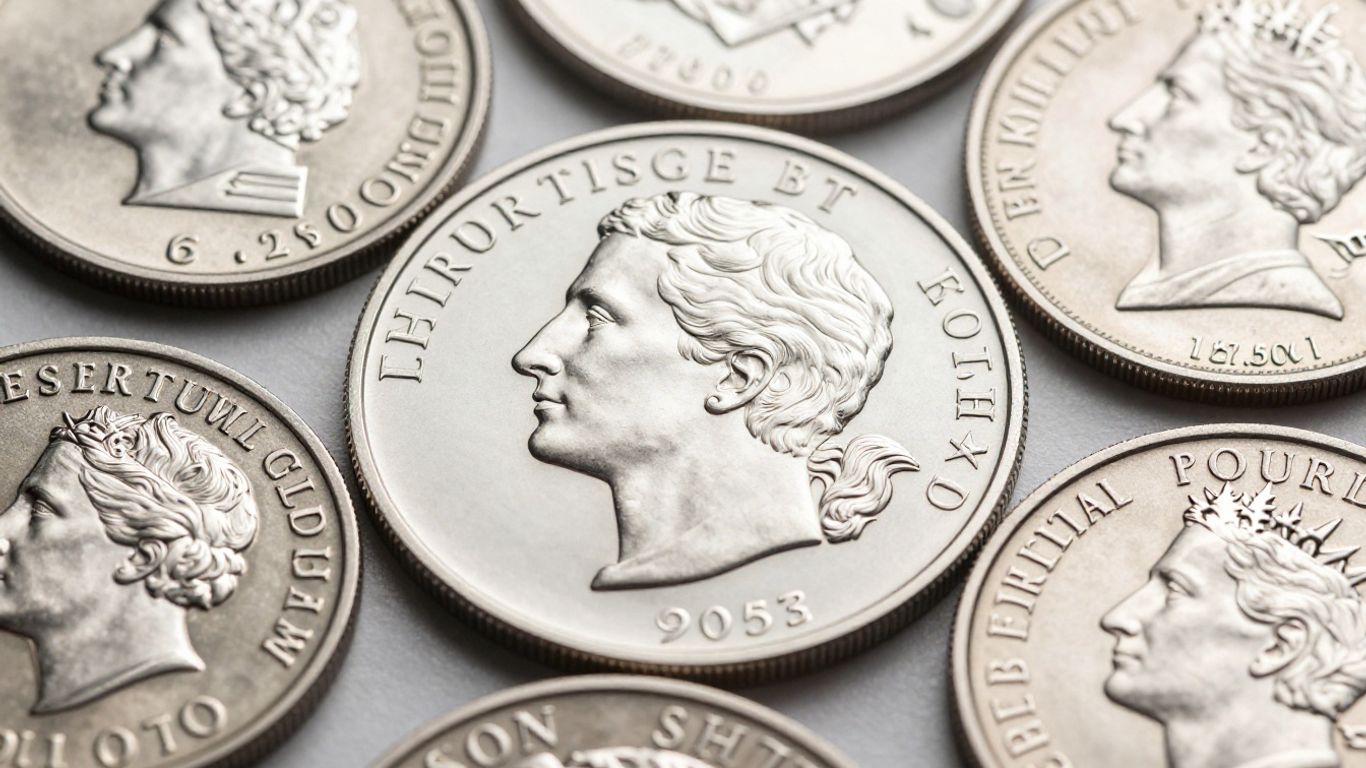
When you start looking into silver as an investment, you’ll quickly see it comes in a few main shapes. It’s not just one big lump of shiny metal. The most common ways people buy and sell silver are as coins, bars, and rounds. Each one has its own thing going on, and knowing the difference helps you figure out what’s best for you.
The Nature of Silver Coins
Silver coins are probably what most people picture first. These are official coins issued by a government. Think of things like the American Silver Eagle or the Canadian Maple Leaf. The big deal with these coins is that they have a face value, meaning they’re considered legal tender. This government backing offers a layer of security. Besides the silver inside, they can sometimes be worth more because they’re old, rare, or just plain cool to collect. This extra value, separate from the silver price, is called numismatic value. It’s like owning a piece of history that also happens to be made of silver. You can find a wide variety of silver products, including coins, and they’re often recognized worldwide.
Characteristics of Silver Bars
Silver bars are usually bigger than coins and are valued pretty much just for the silver they contain. They can be made in a few ways: cast, minted, or hand-poured. Cast bars are made by pouring melted silver into a mold, giving them a more rustic look. Minted bars are stamped out, often with sharper details and a cleaner finish. Bars are generally cheaper per ounce than coins because they don’t have that government backing or collector appeal. They’re straightforward: you’re buying a specific amount of silver, plain and simple. For pure investment, they’re often a go-to.
Defining Silver Rounds
Silver rounds are basically silver discs that look a lot like coins but aren’t issued by any government. They don’t have a face value or legal tender status. Mints often make rounds that mimic popular coin designs, just for looks. Like bars, their value comes almost entirely from the silver content. They’re usually a very affordable way to buy silver, especially if you’re focused on getting the most ounces for your money. They’re a solid choice if you’re not worried about collectibility or government backing and just want to stack silver.
Understanding these basic forms is the first step. It helps you see why prices can differ even when the amount of silver is the same. It’s all about what else comes with that silver – be it government backing, a unique design, or just the way it was made.
Key Differences: Coins, Bars, and Rounds
Alright, so you’re looking at silver, and you’re seeing coins, bars, and rounds. They all look like shiny silver discs or rectangles, right? But there are some pretty important distinctions that can affect your wallet and your investment strategy. Let’s break it down.
Government Backing and Legal Tender Status
This is a big one. Think of government-minted coins, like American Silver Eagles or Canadian Maple Leafs. These are official currency. They have a face value printed on them, and they’re backed by the government that issued them. This means they’re considered legal tender. If someone tries to pass off a fake coin, there’s a government to hold accountable. It’s a level of security and recognition that private mint products just don’t have. Private mints produce silver rounds, which are essentially just silver discs with designs. They don’t have a face value and aren’t legal tender. They’re made by companies, not governments. This difference in backing and legal status is a primary reason why coins usually cost more than rounds of the same weight. It’s not just about the silver content; it’s about the guarantee that comes with it. For more on this, you can check out what legal tender means.
Premium Over Spot Price
Because of that government backing and the added collectibility factor, sovereign coins almost always come with a higher premium over the current spot price of silver. What’s the spot price? It’s basically the live market price for one ounce of pure silver. Premiums are the extra cost you pay above that spot price. This extra cost covers things like minting, distribution, and, in the case of coins, that government guarantee and potential numismatic (collector) value. Bars and generic rounds, on the other hand, are typically made by private companies and focus purely on the silver content. They don’t have the same overhead or collector appeal, so their premiums are usually much lower. This makes them a more cost-effective way to buy physical silver if your main goal is just to accumulate ounces.
Here’s a quick look at typical premiums:
| Product Type | Typical Premium Over Spot | Notes |
|---|---|---|
| Silver Bars | Lowest | Especially for larger sizes, focus on weight |
| Silver Rounds | Low to Moderate | Private mints, design variety |
| Sovereign Coins | Highest | Government-backed, legal tender, collectible |
Design Flexibility and Collectibility
When it comes to design, private mints producing rounds have a field day. They can put pretty much anything on them – famous historical figures, animals, abstract art, you name it. This flexibility is part of their appeal for some buyers. Sovereign coins, however, have designs that are often regulated and tied to national symbols or historical events. While these designs can be beautiful and carry historical weight, they aren’t as varied as what you’ll find on rounds. Collectibility is another area where coins often shine. Certain coin series, special mintages, or coins in pristine condition can gain value beyond their silver content over time. This is called numismatic value. While some bars or rounds might become collectible due to rarity or unique designs, it’s generally less common and harder to predict compared to established coin series. So, if you’re looking for pure silver accumulation at the lowest cost, bars and rounds are usually the way to go. If you’re interested in the added security, recognition, and potential for collector value, sovereign coins might be a better fit, even with their higher price tag.
When you’re buying silver, it’s easy to get caught up in just the shiny metal. But understanding who made it, what it’s officially worth, and what other people might want it for down the road can make a big difference in your investment.
Maximizing Your Silver Bullion Investment
So, you’ve decided silver is a good move for your portfolio. That’s great! Now, how do you make sure you’re getting the most silver for your hard-earned cash? It’s not just about the spot price; those little extra costs, called premiums, can add up. Let’s break down how to keep those premiums low and your silver stack growing.
The Cost-Effectiveness of Bars and Generic Rounds
When your main goal is just to own more silver, bars and generic rounds are usually your best bet. These are made by private companies, and since they aren’t official government money, they don’t have that extra layer of cost associated with legal tender status. Think of them as pure silver value. A 10-ounce bar from a private mint might only cost you about 3-5% more than the raw silver price. Compare that to government-minted coins, which can sometimes be 30-40% higher. For someone focused on accumulating weight, this difference is pretty significant.
- Focus on Silver Content: These products prioritize the metal itself over fancy designs or legal status.
- Lower Premiums: Generally carry the lowest premiums over the spot price.
- High Liquidity: Easily bought and sold by most dealers.
Benefits of Sovereign Coins
Now, why would anyone pay more for government coins like American Silver Eagles or Canadian Maple Leafs? Well, they come with some distinct advantages. For starters, they’re legal tender. This means they have a face value and, more importantly, they come with government backing. If someone tries to sell you a fake, you have legal recourse. Plus, modern government coins have security features built in that make them really hard to counterfeit. And let’s be honest, everyone knows what a Silver Eagle looks like, making them easy to sell pretty much anywhere in the world. Sometimes, specific years or mint marks can even become collectible over time, adding another layer of potential value beyond just the silver.
- Government Backing: Offers legal recourse against counterfeits.
- Security Features: Difficult to fake, protecting your investment.
- Universal Recognition: Easily traded globally.
- Potential Collectibility: Certain issues may gain numismatic value.
Strategies for Lower Premiums
Getting the best price isn’t just about picking the right product; it’s also about how and when you buy. The secondary market, meaning pre-owned silver, can often be a goldmine for lower premiums. These items have already had their initial premium paid by the first owner, so they typically trade much closer to the spot price. Reputable dealers will test these items to make sure they’re genuine, so you can buy with confidence. Another smart move is dollar-cost averaging. Instead of trying to guess the perfect time to buy, you invest a set amount regularly. This means you buy more ounces when prices are down and fewer when they’re up, smoothing out your average cost over time. It takes the emotion out of it and builds your stack steadily. Many dealers offer automated programs for this, making it super simple. Always compare prices across different dealers too; even small differences can add up when you’re buying regularly. You might even find that buying larger bars or rounds can sometimes result in a lower per-ounce premium compared to smaller items. Shopping around for the best deals is always a good idea.
Minimizing the premium you pay is a direct way to increase the amount of silver you acquire for the same amount of money. It’s a simple equation: less premium paid equals more ounces in your stash. This is especially true when you’re looking to build a substantial position over the long term.
Here’s a quick look at how premiums can stack up:
| Product Type | Typical Premium Over Spot | Key Benefit | Example |
|---|---|---|---|
| Generic 1 oz Rounds | 5-10% | Cost-effective for small, regular buys | Sunshine Mint generic rounds |
| 10 oz Silver Bars | 3-5% | Good balance of cost and quantity | Asahi 10 oz silver bar |
| Sovereign Coins | 15-40%+ | Government backing, recognition, security | American Silver Eagle, Maple Leaf |
Factors Influencing Silver Bullion Premiums
So, you’re looking at silver, and you notice the price isn’t just the ‘spot price’ you see on the news. There’s an extra bit added on, right? That extra bit is called the premium, and it’s pretty important to understand if you want to get the most silver for your money. It’s not just some random number; a bunch of things go into figuring out that premium.
Manufacturing Methods: Cast vs. Minted Bars
When you look at silver bars, you’ll see two main types: cast and minted. Cast bars are made by pouring molten silver into a mold. They often look a bit rougher, maybe with some imperfections, but this process is usually cheaper. Because they cost less to make, they tend to have lower premiums. Minted bars, on the other hand, are struck from a blank using a die, kind of like how coins are made. They usually have sharper details and a more polished finish, but this extra work means a higher premium. For pure investment, where the look isn’t as important as the silver content, cast bars or generic minted bars are often the way to go if you’re trying to keep costs down. You can often find generic bars and rounds offer a cost-effective option for pure investment purposes.
Brand Reputation and Mint Guarantees
Just like with anything else, some brands are just more trusted than others. A well-known mint or refiner, like Asahi or Sunshine Mint, often has a reputation for quality and consistency. This reputation means people are willing to pay a bit more for their products because they know what they’re getting. A guarantee from a reputable source adds a layer of confidence. This is especially true for sovereign coins, but even private mint bars and rounds can carry a premium based on their brand recognition. It’s that peace of mind that comes with a recognized name.
Market Demand and Production Costs
This is a big one. Think about it: if everyone suddenly wants silver, and the mints can’t make it fast enough, prices are going to go up. This happened a lot recently. Demand can spike for all sorts of reasons – maybe people are worried about the economy, or maybe silver is suddenly needed more for technology. At the same time, the costs to actually make the silver products matter. Things like labor, energy to run the machines, and even the packaging all add up. When these costs increase, or when demand is high, you’ll see those premiums climb. It’s a constant push and pull between how much silver is available and how much people want it.
Premiums aren’t static; they shift based on real-world events and the simple economics of supply and demand. Understanding these influences helps you make smarter buying decisions and potentially save money over time.
Here are some key factors that affect premiums:
- Bar Size: Larger bars (like 100-ounce bars) almost always have lower per-ounce premiums than smaller ones (like 1-ounce bars). This is because the fixed costs of production are spread over more silver.
- Product Type: Sovereign coins (like American Eagles or Canadian Maple Leafs) typically carry higher premiums than generic silver bars or rounds due to their legal tender status and intricate designs.
- Condition: For items on the secondary market, the condition can play a role. While silver content doesn’t change, heavily damaged or tarnished items might fetch a slightly lower price or premium.
- Supply Chain Issues: Disruptions in mining, refining, or transportation can limit the supply of silver available to mints, leading to increased premiums when demand remains steady or grows. The premium on silver coins, bars, and rounds is the markup above the spot price, covering costs like minting, dealer margins, and market demand.
Strategic Approaches to Acquiring Silver Bullion
So, you’ve decided silver is a good move for your portfolio. That’s great! But how do you actually go about buying it without overpaying? It’s not just about the price of silver itself, but also the extra bit you pay on top, known as the premium. Getting this right can mean a lot more silver in your stash for the same amount of cash.
The Value of the Secondary Market
When you’re looking to get the most silver for your money, don’t overlook the secondhand market. Think of it like buying a used car versus a brand-new one. New silver products, whether they’re coins, bars, or rounds, come with the full manufacturer’s premium. Once that item has been sold once, it’s considered ‘secondary.’ These items often trade for much less than new ones because that initial premium has already been paid by the first buyer. Reputable dealers will still test these items to make sure they’re genuine and pure, so you can buy with confidence. For folks who are really focused on just accumulating as much silver weight as possible, buying secondhand is a smart way to go.
Dollar-Cost Averaging with Autoinvest
Trying to time the market to buy silver at its absolute lowest price is a fool’s errand, honestly. Prices go up, prices go down – it’s impossible to predict perfectly. A much more sensible approach is dollar-cost averaging. This means you invest a set amount of money at regular intervals, say, every month. When the price of silver is low, your fixed amount buys you more ounces. When the price is high, it buys you fewer ounces. Over time, this evens out your average purchase price. It takes the emotion out of buying, which is a big plus. Some dealers even have programs that automate this for you, making it super simple to build your silver holdings consistently, much like how you might contribute to a retirement fund. This steady approach helps you build a solid position without stressing over daily price swings. It’s a solid strategy for long-term wealth preservation.
Comparing Premiums Across Dealers
This is a big one. Premiums can vary quite a bit from one dealer to another, and even for the same product. It pays to shop around. Don’t just buy from the first place you see online or the closest coin shop. Take some time to compare prices. Look at the premium over the current spot price. Sometimes a dealer might have a special promotion, or maybe they offer better pricing if you buy in larger quantities. For example, a 100-ounce bar usually has a lower per-ounce premium than a single 1-ounce coin. Also, consider the type of product. Generic silver rounds and bars from private mints almost always have lower premiums than government-issued coins like American Silver Eagles. These coins have added costs associated with their legal tender status and government backing, which is fine if that’s what you want, but if you’re just after the silver, generic is usually cheaper. Always check a few different sources before you commit to a purchase. You might be surprised at how much you can save just by doing a little homework.
The cost of silver bullion is made up of two parts: the spot price of silver itself, and the premium charged by the dealer. Premiums cover manufacturing, shipping, and the dealer’s profit. While they are a necessary cost, understanding how they work allows you to minimize them and acquire more silver over time.
Popular Choices in Silver Rounds
When you start looking into silver rounds, you’ll see a ton of different designs out there. It can be a bit overwhelming at first, but there are some real standouts that a lot of people seem to like. These aren’t government-issued coins, so private mints get to have a lot of fun with the designs, which is pretty cool.
Asahi and Sunshine Rounds
Two names that pop up a lot are Asahi and Sunshine. Asahi Refining makes some really clean-looking rounds. They’re known for sharp details and a polished finish. Then there are the Sunshine rounds. People sometimes call them the "other silver eagle" because they often feature an eagle design, usually with a sunrise motif. They’re a solid choice if you want something recognizable but don’t want to pay the higher premium that comes with official government coins. These rounds are a great way to get a lot of silver for your money.
Morgan and Buffalo Inspired Rounds
If you’re into the history of U.S. coinage, you’ll probably see rounds inspired by old, famous coins. The Morgan dollar is a classic, and you can find silver rounds that mimic its design. It’s a nice nod to a piece of American history. Similarly, there are Buffalo rounds. These are usually based on the design of the old Indian Head nickel, another iconic American coin. It’s neat how private mints can take these beloved designs and put them onto silver rounds for investors.
Aztec Calendar and Themed Rounds
Beyond the coin-inspired ones, there’s a whole category of themed rounds. The Aztec Calendar round is a really popular one. It’s a detailed reproduction of the actual Aztec calendar stone, and it’s quite striking. You’ll also find rounds with all sorts of other themes – nature, mythology, historical events, you name it. This is where the design flexibility really shines. It means you can pick rounds that appeal to you personally, not just for their silver content but also for their aesthetic or thematic interest. It makes stacking silver a bit more interesting, honestly.
Here’s a quick look at why people choose rounds:
- Lower Premiums: Generally cost less per ounce than government coins.
- Design Variety: Huge range of artistic and thematic options.
- Private Mint Production: Made by reputable private refiners.
- Focus on Silver Content: Primarily valued for their .999 fine silver.
When you’re buying silver rounds, it’s always a good idea to stick with well-known private mints. While the silver content is the main driver of value, a good reputation means the round is likely to be exactly what it says it is, making it easier to sell later on. You don’t want to get stuck with something obscure that nobody wants to buy back.
It’s worth noting that while rounds are great for maximizing your silver holdings, they don’t have the same legal tender status or fraud protection as government-minted coins. But for many investors focused on accumulating silver at a lower cost, rounds are a fantastic option.
Wrapping It Up
So, we’ve gone over the different ways you can get your hands on silver, whether it’s coins, bars, or rounds. They all have their own little quirks and benefits, right? Coins might cost a bit more upfront, but you get that government backing and sometimes a cool collectible angle. Bars and rounds are usually the way to go if you’re just looking to stack as much silver as possible for your money, plain and simple. The main thing is to know what you’re after – pure silver weight or something with a bit more history. Keep an eye on those premiums, shop around a bit, and maybe even think about buying regularly to smooth things out. It’s all about making smart choices so your silver stash grows without you pulling your hair out.
Frequently Asked Questions
What’s the main difference between silver coins, bars, and rounds?
Think of it like this: coins are like official money from a government, often with extra value because they’re collectible. Bars are usually bigger blocks of silver, valued mostly for their weight, and are simpler to make. Rounds are like coins but made by private companies, not governments, and are usually a cheaper way to buy silver just for its metal content.
Why do government-made silver coins cost more than bars or rounds?
Government coins, like American Silver Eagles, cost more because they’re backed by the government, meaning they’re guaranteed to be real and have a face value. They also often have special designs and security features that make them more collectible, adding to their price.
Are silver bars or generic rounds a better deal for buying a lot of silver?
Yes, generally. Bars and generic rounds usually have lower markups, called premiums, over the silver’s actual price. This means you get more silver for your money compared to government-issued coins, making them great for people who just want to own as much silver as possible.
What does ‘premium over spot price’ mean when buying silver?
The ‘spot price’ is the current market price for silver itself. The ‘premium’ is the extra amount you pay on top of that spot price. This extra cost covers things like making the silver into a bar or coin, shipping, and the dealer’s profit. So, if silver is $25 an ounce and the premium is $2, you’d pay $27 per ounce.
Is it better to buy new or used silver?
Buying used silver from a trusted dealer can often be a good way to save money. The initial premium has already been paid by the first owner, so you might get a price closer to the silver’s actual worth. Dealers check these used items to make sure they’re real and pure.
What are some popular designs for silver rounds?
Silver rounds come in many cool designs! Some popular ones include those that look like famous old coins, like the Morgan dollar or Buffalo nickel. Others feature unique themes like the Aztec calendar, or designs from well-known refiners like Asahi and Sunshine Mint.
Related Posts
A guide to International Silver Company: history, identification, and value
A complete guide to 950 silver: what it is and how it compares to sterling
The essential guide to silver oxide: properties, applications, and safety
The best voltage for making colloidal silver: A guide to particle size and production safety
Understanding colloidal silver 20 ppm: A comprehensive guide to usage and safety
How to buy colloidal silver: A guide to quality and safety
Colloidal silver uses: a comprehensive guide on safety and application
Unlock Your Wellness: The Ultimate Guide to Liquid Vitamin and Mineral Supplements
