
- You are here:
- Home »
- All Articles »
- How to add minerals to water safely: Methods, benefits, and practical tips
How to add minerals to water safely: Methods, benefits, and practical tips
Key Takeaways
Adding minerals to water can improve taste and help you track a specific nutrient intake, but it is not automatically necessary for everyone. Start with your source water, read the label, and change one thing at a time.
- Reverse osmosis and some filtration systems remove many dissolved minerals along with contaminants.
- Calcium, magnesium, potassium, and sodium have different roles and different safety considerations.
- Mineral drops, powders, cartridges, and naturally mineral-rich water each offer a different level of control.
- TDS readings are useful for comparison, but they do not identify which minerals or contaminants are present.
- People with kidney, heart, blood-pressure, or medication-related concerns should ask a healthcare professional before supplementing.
Why add minerals to water?
Minerals are naturally present in many water sources, although the amount varies widely. Some people add minerals to water because filtration has changed the taste, while others are trying to supplement a known dietary gap. Water can contribute to mineral intake, but it usually works best as one small part of an overall nutrition plan rather than as a replacement for food.
What minerals do in the body
Calcium supports bones and teeth and also participates in muscle contraction and nerve signaling. Magnesium is involved in many enzyme reactions, while potassium helps maintain fluid balance and normal nerve and muscle function. Sodium has an essential role too, but most people need to consider their total intake from food before adding more to a drink.
The body regulates these nutrients through the digestive system and the kidneys. That is why a higher mineral number on a label is not automatically better. A supplement should have a clear reason for being used, a measured serving, and a place within the rest of your diet.
Why filtered and reverse osmosis water may have fewer minerals
Filtration methods differ. Activated carbon may primarily affect taste, odor, and certain contaminants, while reverse osmosis uses a semipermeable membrane that reduces many dissolved substances. Depending on the source and system, the finished water may contain substantially fewer calcium and magnesium ions than the water that entered the filter.
That change can make water taste lighter or flatter. It does not mean the water is inherently unhealthy, and it does not mean every person needs to remineralize it. If the taste is the only concern, a small, measured addition may be enough; if the goal is nutrition, testing and label reading matter more than taste alone.
Potential benefits and limitations of remineralized water
Remineralized water can taste less flat and may provide a modest amount of selected electrolytes. It can also make a low-mineral water source feel more familiar, particularly when a household has switched to reverse osmosis. A guide to remineralizing reverse osmosis water can help compare cartridges, drops, and other approaches without assuming one method suits every home.
The limits are just as useful to understand. Mineral water is not a cure for dehydration, fatigue, or chronic illness, and adding minerals does not remove contaminants that a filter failed to address. The amount in a glass is often small compared with the amount supplied by ordinary foods, so the label and the broader diet should guide expectations.
When mineral intake from water matters most
Water-based mineral intake may matter more when someone has a restricted diet, sweats heavily, has unusually low-mineral source water, or has been advised to increase a particular nutrient. Even then, the right amount depends on age, health status, diet, climate, and activity. A sports drink, electrolyte product, or mineral concentrate may also contain sweeteners, acids, or substantial sodium.
For most people, food remains the easiest way to obtain a broad mix of minerals. Water is useful when it helps meet a specific need or makes an otherwise unpleasant source easier to drink. Treat it as a measured supplement, not a universal wellness shortcut.
Choose the right minerals for your water
Choosing a mineral product begins with knowing what is already in the water. A bottle labeled “electrolytes” may contain mostly sodium, while a trace-mineral product may contain very small quantities of several nutrients. The right choice depends on whether you are correcting taste, replacing a known mineral, or simply looking for a convenient drink after exercise.
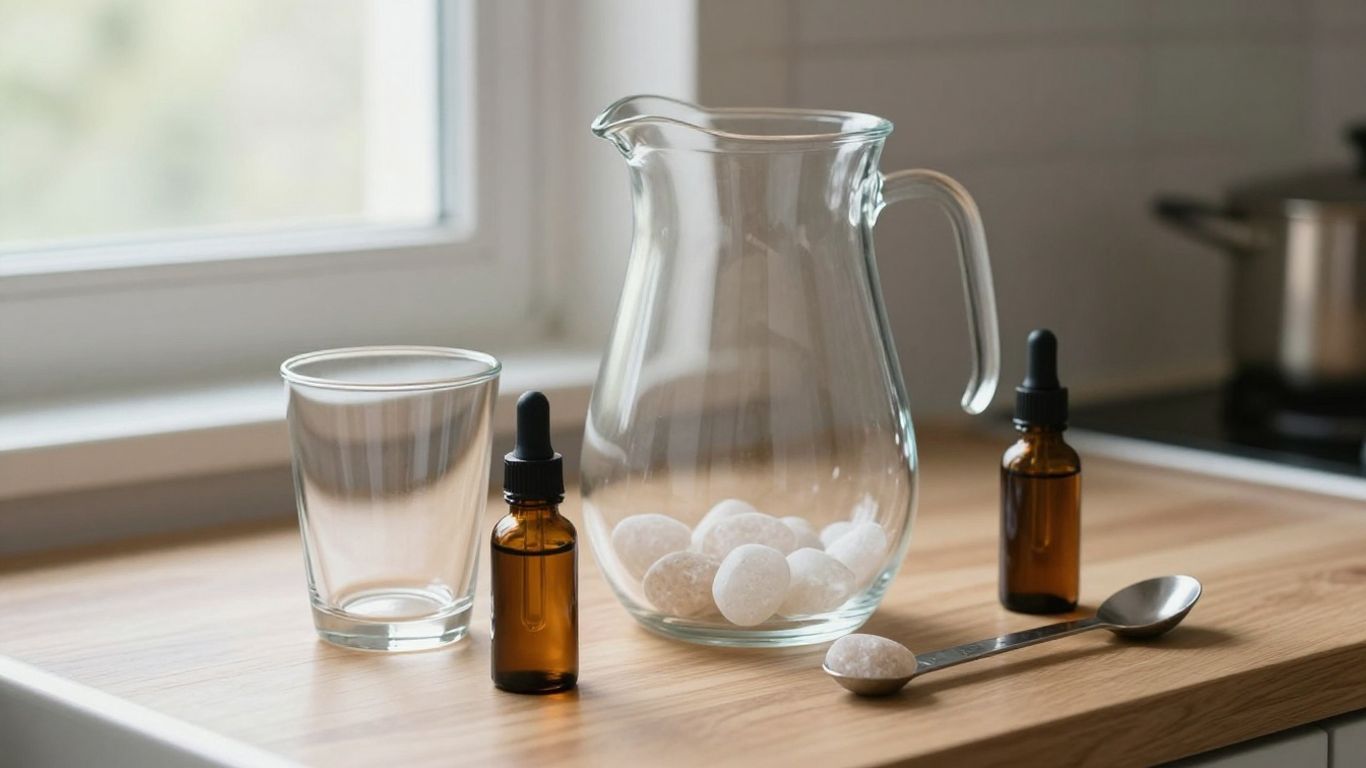
Read the Supplement Facts panel and compare the actual amount per serving, not just the front-of-package language. It is also sensible to consider compatibility in a broader sense, much as water-based lubricant choices depend on ingredients and intended use: the label should match the situation rather than promising a one-size-fits-all result.
Calcium, magnesium, and potassium explained
Calcium and magnesium are common choices for remineralization because they influence hardness and taste as well as nutrition. Potassium is another important electrolyte, but concentrated potassium products deserve more caution than a casual “extra hydration” label may suggest. The useful question is not which mineral sounds healthiest, but which one is absent, low, or appropriate for your situation.
Mineral forms also affect solubility and flavor. A product may list a compound rather than the elemental mineral amount, so look for the elemental quantity in the facts panel. If the label is unclear, choose a product with plain directions and contact the manufacturer rather than guessing.
Trace minerals and electrolyte blends
Trace minerals are needed in smaller quantities, and products may include ingredients such as zinc, iodine, or manganese alongside larger electrolytes. An electrolyte blend can be convenient, but its formula may be designed for exercise rather than everyday sipping. The trace mineral drops guide is useful for comparing liquid formats, testing information, and dosage questions.
More ingredients create more opportunities for overlap with a multivitamin or another supplement. Check whether the blend contains added vitamins, sweeteners, caffeine, or herbal ingredients. A short ingredient list is often easier to evaluate than a product built around a long list of vague “mineral complexes.”
Sodium considerations for different diets
Sodium is essential, yet many diets already provide plenty through packaged foods, restaurant meals, sauces, and preserved foods. Someone losing sodium through prolonged, intense sweating may have a different need from someone following a sodium-restricted plan. A mineral product with a large sodium dose should therefore be treated as a targeted supplement, not a neutral flavor enhancer.
Compare the sodium amount with the rest of the day’s intake. If you are choosing an electrolyte product for exercise, consider duration, heat, sweat rate, and the advice of a qualified professional. Do not assume that a salty taste tells you the exact dose, since flavor varies by formula.
How mineral content affects taste and texture
Calcium and magnesium can add a fuller, slightly chalky or mineral-like character, while sodium can make water taste noticeably salty. Higher dissolved-solids levels may also change the way water feels in the mouth. Taste is subjective, so begin below the maximum suggested amount and adjust gradually.
A useful approach is to prepare a small glass, wait briefly for the product to dissolve, and taste it before treating a whole pitcher. That avoids wasting water and makes it easier to identify which change you actually prefer. If a product creates sediment, an unusual odor, or a persistent chemical flavor, stop using it and investigate the ingredients and storage conditions.
How to add minerals to water at home
There are several simple ways to add minerals to water, and each has a different balance of convenience and precision. Liquid drops are easy to adjust, powders may provide a broader electrolyte profile, and cartridges can make a filtration system more consistent. Naturally mineral-rich water requires no mixing but gives you less control over the exact composition.
The safest routine is deliberately boring: use clean equipment, follow the serving directions, and avoid combining several products before you know what each one contributes. A practical mineral powder guide can help compare powders with liquid drops, including flavor, ingredients, and mixing considerations.
Mineral drops and liquid concentrates
Drops and liquid concentrates are convenient for a single glass or bottle. Their main advantage is flexible dosing, but that flexibility can also encourage accidental overuse. Count the drops or measure the volume exactly, especially when the product is highly concentrated.
Some concentrates are intended only for dilution and may taste harsh when used directly. Keep the cap and dropper clean, close the container promptly, and store it as directed. For a closer look at serving sizes and purity questions, see this guide to liquid mineral drops.
Mineral powders and electrolyte mixes
Powders can supply several electrolytes in one serving and may be useful during extended exercise or heavy sweating. Mix them in the stated volume of water so the final concentration is what the manufacturer intended. Sugar, artificial sweeteners, acids, and flavoring agents may be present even when the package emphasizes minerals.
A short routine helps prevent mistakes:
- Read the serving size before opening the packet.
- Use the recommended amount of water rather than guessing.
- Check sodium, potassium, and added ingredients together.
- Do not stack the mix with another electrolyte product automatically.
After mixing, give the drink enough time to dissolve and check for undissolved material. If you need a daily, low-calorie option, compare the full nutrition panel rather than choosing by the word “electrolyte” alone.
Mineral-rich tablets and cartridges
Dissolvable tablets can be convenient for travel and measured use, while remineralization cartridges work inside or after some filtration systems. Tablets should be dissolved in the stated volume, not swallowed unless the package specifically says they are intended for that use. Cartridges need timely replacement because an old filter may alter taste and performance.
A cartridge can provide a more consistent result than adding drops by hand, but consistency depends on water flow, filter age, and installation. Tablets offer portability, yet they may contain acids, flavors, or binders that affect taste. Consider the maintenance requirements before choosing convenience as the only criterion.
Natural options such as mineral water
The simplest option is often bottled or tap water that naturally contains minerals. Compare the mineral panel, source, bottle size, storage conditions, and cost. “Natural” does not mean the same mineral profile from one brand or spring to another, so read the label if the mineral content matters.
Food-based additions are less predictable. Citrus, salt, or other ingredients may add small amounts of minerals, but they also change flavor and may add sodium or acidity. Avoid homemade additions that have not been prepared hygienically, particularly if a container will sit at room temperature.
How to remineralize reverse osmosis water
Reverse osmosis water is a common reason people look for ways to add minerals to water. The process can leave a clean-tasting but very low-mineral result, especially when the incoming water was already soft. Remineralization can be done inside the system or afterward, and the best option depends on how much control and maintenance you want.
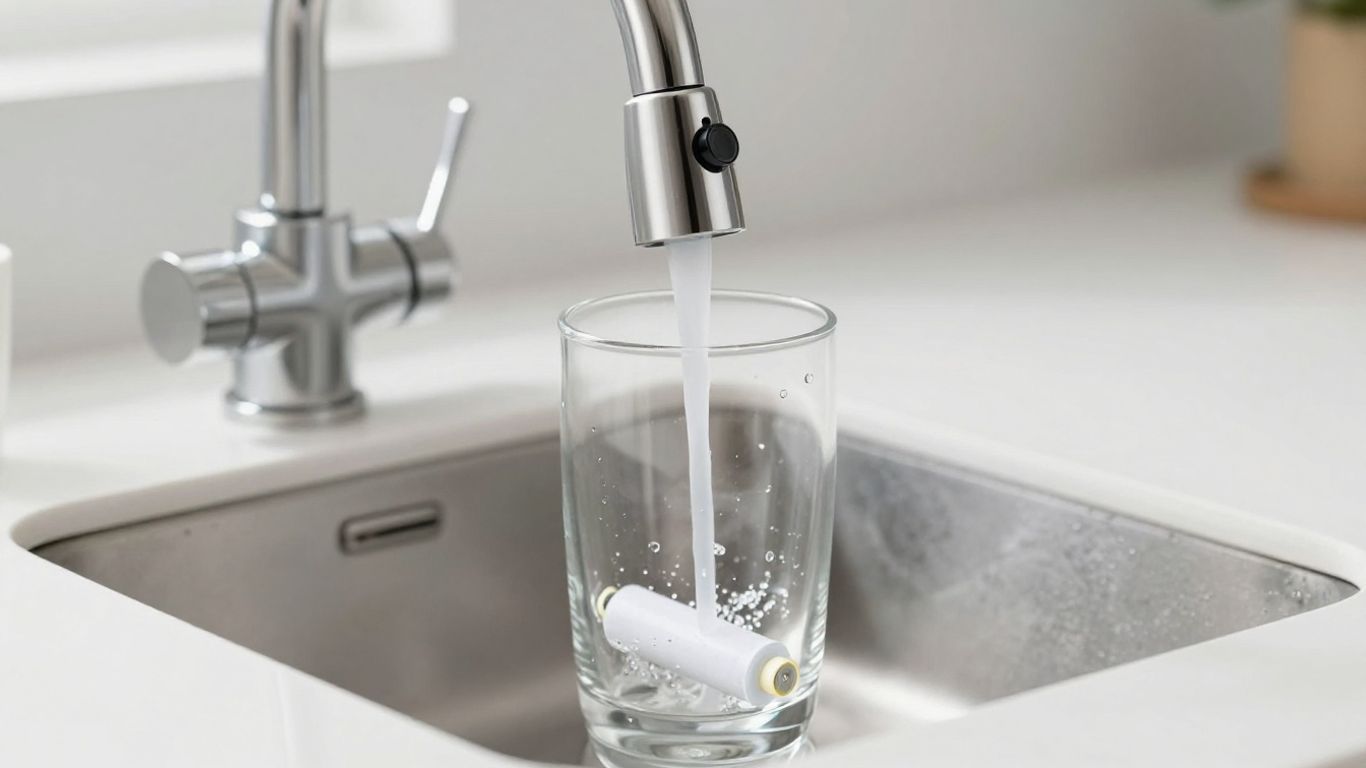
Start by measuring the water you have rather than assuming every RO system produces the same result. A low reading may explain a flat taste, but it does not tell you whether the water is safe or nutritionally complete. Taste, testing, filter maintenance, and the intended use should all be considered together.
Why reverse osmosis removes minerals
The RO membrane reduces many dissolved substances, including minerals such as calcium and magnesium. That is part of why the technology can reduce certain contaminants, but it also changes the water’s mineral balance. A post-filter or storage tank may alter the final result further.
The membrane is not the only part of the system that matters. Pre-filters, membrane condition, water pressure, and replacement schedules can all affect performance. If the water suddenly tastes different, inspect the system before adding a larger mineral dose.
Using a remineralization filter
A remineralization filter is installed after the RO stage in some systems and adds selected minerals as water passes through. This approach can be convenient because the result is available at the faucet and does not require measuring each glass. It still needs correct installation and regular replacement.
Check what the cartridge contains, how long it is rated to last, and whether the instructions specify a compatible system. A cartridge may improve taste without supplying a meaningful nutritional dose, so do not infer health benefits from a more pleasant flavor. Maintenance remains part of water quality.
Adding minerals after filtration
Drops and powders give you more control after filtration. Add them to a measured bottle or glass, mix thoroughly, and record the amount if you are trying to reproduce a preferred taste. This is also the easiest method to adjust gradually rather than changing the whole household supply at once.
The RO mineral drops comparison can be a starting point for thinking about ingredients and dosage instructions, but the product label and your own water test should take priority. Do not use several concentrates together simply because the RO water tastes unusually plain.
Adjusting taste and mineral concentration
Make one adjustment at a time. If the water tastes too salty, metallic, or bitter, reduce the dose and check whether another ingredient is responsible. If the taste remains unpleasant at a low dose, the issue may be the filter, storage container, or source water rather than a need for more minerals.
A TDS meter can show whether the dissolved-solids level changed, but it cannot confirm that the added material is the mineral you intended. Pair taste observations with label information and, where appropriate, a mineral test. The goal is a measured and repeatable result, not the highest possible reading.
How much mineral content should you add?
There is no single ideal mineral concentration for every person or every water source. Product strength varies, and the minerals already present in the water may contribute substantially to the final amount. Begin with the label, then consider your total intake from food, supplements, and other drinks.
A modest dose is usually easier to evaluate than a dramatic change. Keep notes about the product, amount, water volume, and any taste or digestive response. That small record can prevent accidental doubling when several household members use different bottles.
Following product dosage instructions
Use the manufacturer’s stated serving size unless a qualified professional has given you different instructions. Concentrated drops are especially easy to miscount, and powders can be overfilled when scooped loosely. “More” is not a reliable way to improve hydration or mineral status.
Follow directions about dilution, refrigeration, and use after opening. If the label gives a range, start at the lower end unless there is a clear reason not to. Stop and reassess if you notice nausea, diarrhea, unusual thirst, palpitations, or another concerning response.
Understanding labels and serving sizes
Look for the serving size, elemental mineral amounts, daily-value percentages, other active ingredients, and allergen information. A serving may mean a specific number of drops, a scoop, a tablet, or a volume of concentrate. Two products with similar front labels may provide very different amounts once measured.
A transparent label makes comparison easier. It should identify the minerals rather than relying only on phrases such as “ionic blend” or “full spectrum.” If the amount of a mineral is hidden in a proprietary blend, you cannot confidently calculate your intake.
Avoiding excessive sodium and other minerals
Excess intake can be a concern even when a mineral is essential. Sodium is the most obvious example, but potassium, magnesium, calcium, and trace nutrients also deserve attention in concentrated products. Certain forms may cause digestive upset, and some minerals can accumulate or become problematic when kidney function is impaired.
Before adding a product, check the main sources of the same nutrient in your routine. A mineral tablet, electrolyte powder, fortified food, and mineral drops may overlap. The goal is to fill a real gap, not to collect multiple products with similar formulas.
Accounting for minerals from food and supplements
A water additive is only one line in your daily intake. Review multivitamins, sports products, antacids, fortified drinks, and prescribed supplements before deciding how much to use. Your diet may already provide more calcium, magnesium, or sodium than you realize.
This matters particularly when a product is used every day rather than occasionally. If you are trying to correct a documented deficiency, a clinician can recommend a form and amount that make sense alongside meals and other supplements. Self-adjusting a concentrated product indefinitely is a poor substitute for a clear plan.
Test and improve your water quality
Testing turns a vague taste concern into a more useful starting point. Source water can change with the season, plumbing, filtration equipment, and local conditions, while a product label tells you only what the product contributes. Test before and after a change when you want to understand what actually happened.
Keep the testing method consistent. Use the same glassware, water volume, and timing where possible, and record filter replacement dates. A single number can be helpful, but it should not be treated as a complete water-quality report.
Checking your source water before adding minerals
If you use municipal water, review the latest local water-quality report and consider whether your home has older plumbing. Private well owners may need more frequent or broader testing because conditions can vary. Bottled water labels can provide a mineral profile, although they are not a substitute for every type of safety test.
Also check the filtration system itself. A clogged or overdue filter may affect taste and flow, and adding minerals will not fix a maintenance problem. Identify what the system is designed to remove before deciding what, if anything, should be added back.
Using TDS meters and mineral test kits
A TDS meter estimates the combined conductivity of dissolved substances. It can help compare untreated water, RO water, and remineralized water, but it cannot identify individual minerals or rule out contaminants. A higher TDS reading is therefore not automatically a sign of better water.
Mineral-specific strips or kits may test hardness, calcium, magnesium, or other characteristics, depending on the product. Follow the kit’s timing and color instructions carefully. For more precise results, professional laboratory testing is preferable to home estimates.
Comparing pH, hardness, and total dissolved solids
pH describes acidity or alkalinity, hardness largely reflects calcium and magnesium, and TDS estimates the total dissolved load. These measurements answer different questions. A water sample can have a moderate TDS reading without offering a balanced mineral profile, and changing pH does not necessarily improve its nutritional value.
Use the measurements to guide practical decisions: hardness may explain scale or mouthfeel, TDS may show whether a filter changed dissolved content, and pH may help identify an unusual shift. None of them alone confirms that water is free from every contaminant.
When laboratory testing is worthwhile
Laboratory testing is worth considering when water comes from a private well, has a persistent odor or color, follows flooding or construction, or is used by someone medically vulnerable. It is also useful when home readings conflict with the taste or performance you observe. Choose a laboratory that explains its methods and sample-handling requirements.
Testing is most useful when it leads to a specific action. If results show a concern, address the source or filtration method before trying to improve taste with minerals. A mineral additive cannot make unsafe water safe.
Safety considerations when adding minerals to water
Minerals are nutrients, not automatically harmless ingredients. Concentrated products can create a meaningful dose in a small volume, and risks depend on the person, the product, and the rest of the diet. Sensible use starts with clean water, a reputable label, and a reason for adding the mineral.
If you are considering a product for exercise recovery, it may help to compare the hydration context with other recovery tools, including Normatec recovery devices, rather than assuming every fatigue problem is a mineral problem. Water additives should support a clear routine, not distract from symptoms that need assessment.
Choosing reputable, contaminant-tested products
Look for a complete ingredient panel, batch or lot information, clear serving directions, and credible quality testing. Third-party testing can provide additional reassurance about identity and contaminants, although it does not prove that a product is appropriate for every person. Avoid products that hide the amount of each mineral behind sweeping claims.
Store the product as directed and discard it if the seal, appearance, odor, or texture changes unexpectedly. Do not transfer a concentrate into an unlabeled bottle. Good records are especially helpful when a household uses several supplements.
Risks for people with kidney or heart conditions
The kidneys help regulate electrolytes, so impaired kidney function can change how the body handles potassium, magnesium, sodium, and other minerals. Heart conditions and blood-pressure concerns may also make sodium or potassium intake more consequential. A product that seems mild to one person may not be appropriate for another.
Do not start a concentrated mineral routine based only on a general wellness article if you have one of these conditions. Ask your healthcare team which minerals, forms, and amounts are suitable. Bring the product label to the conversation so the advice can be specific.
Interactions with medications and supplements
Minerals can affect the absorption or action of some medicines, and supplements can overlap with one another. Calcium, magnesium, iron, and other minerals may need to be separated from certain treatments, while sodium and potassium may matter for blood-pressure or heart-related care. The timing and dose depend on the exact product and prescription.
Make a list of everything you take, including occasional electrolyte mixes and fortified drinks. A pharmacist can often identify practical spacing or duplication concerns. Do not stop a prescribed treatment in order to replace it with a mineral product.
When to consult a healthcare professional
Seek individualized advice before supplementing if you have kidney or heart disease, high or low blood pressure, are pregnant, follow a medically restricted diet, or take regular prescriptions. Professional guidance is also sensible when you have persistent cramps, weakness, swelling, irregular heartbeat, vomiting, or unexplained fatigue. Those symptoms should not automatically be blamed on low minerals.
A healthcare professional can help decide whether testing, dietary changes, or a supplement is appropriate. The most useful plan is usually the smallest one that addresses a demonstrated need and can be monitored safely.
Conclusion
To add minerals to water safely, begin with the source, identify the purpose, choose a transparent product, and measure the dose. Remineralization may improve taste or provide a targeted amount of electrolytes, but it is not a substitute for balanced food, sound filtration, or medical advice when health conditions are involved.
Frequently Asked Questions
Is it necessary to add minerals to filtered water?
Not necessarily. Some filters leave most minerals in place, while reverse osmosis removes more dissolved material. Test the water and consider your diet and taste preference before adding anything.
What is the easiest way to add minerals to water?
Measured drops are often the simplest for a single glass, while a remineralization cartridge may be more convenient for a whole-house or faucet system. Follow the product directions and start with a modest, repeatable amount.
Can I add salt to reverse osmosis water?
Salt adds sodium, but it does not recreate a balanced mineral profile and may be unsuitable for people limiting sodium. If you use it at all, measure carefully and consider a product with a clearly stated mineral composition instead.
Does remineralized water hydrate better?
Water containing electrolytes can be useful in situations involving substantial sweat loss, but ordinary hydration does not automatically improve when more minerals are added. The right choice depends on activity, climate, diet, and health status.
What does TDS tell me about mineral content?
TDS provides an estimate of the total dissolved material, not a list of individual minerals. It can help compare water samples, but it cannot confirm that the water is safe or that a particular nutrient is present in the desired amount.
Can mineral drops cause side effects?
They can, particularly when concentrated or combined with other supplements. Digestive upset, unusual thirst, or other unexpected symptoms are reasons to stop and review the label with a healthcare professional.
Should people with kidney disease use mineral supplements?
They should ask their healthcare professional first. Kidney disease can affect electrolyte regulation, making minerals such as potassium, magnesium, and sodium more important to manage carefully.
Related Posts
Magnesium glycinate trace minerals: benefits, dosage, ingredients, and how to choose it
Mineral vitamins explained: Benefits, types, food sources, and how to choose a supplement
Silver hydrosol vs colloidal silver: Key differences, claims, and safety
Silver Wings Colloidal Silver: Uses, Safety, and What to Know
ConcenTrace trace mineral drops reviews: Benefits, ingredients, safety, and whether they’re worth it
Side effects of lemon balm: What to know about risks, interactions, and safe use
Chemical element silver: Properties, uses, history, and why it matters
