
- You are here:
- Home »
- All Articles »
- Understanding colloidal silver 20 ppm: A comprehensive guide to usage and safety
Understanding colloidal silver 20 ppm: A comprehensive guide to usage and safety
Key Takeaways
Understanding the concentration and quality of silver solutions is essential for anyone interested in natural wellness. These five points summarize the core aspects of safely using colloidal products at home.
- Colloidal silver 20 ppm indicates a specific concentration of silver particles suspended in a liquid medium.
- Distinguishing between true colloidal silver and ionic silver is vital for determining the stability and potential efficacy of the product.
- Topical application is widely recognized as safer than internal consumption, which carries risks of organ interaction or systemic issues.
- Proper storage in amber glass helps maintain the product’s concentration and prevents the degradation of the silver particles.
- Evaluating particle size and manufacturing purity ensures you are choosing a solution that is both stable and effective for your specific needs.
Defining colloidal silver 20 ppm
What the 20 ppm concentration means
When you see a label marked as colloidal silver 20 ppm, the acronym stands for parts per million. This measurement describes the ratio of silver particles to the base liquid, usually purified water. Understanding this value helps you compare products, as consistency in measurement is critical for predictable results in your daily health routines. As someone who writes for SilveryGuy, I have found that identifying this baseline is the first hurdle in moving toward natural alternatives to conventional medicine.
How colloidal silver is manufactured
Manufacturing this substance requires precise electrochemical processes where silver particles are suspended in deionized water. The quality of this process dictates how stable the particles remain over time. Much like avoiding soldering mistakes requires attention to tool quality and heat transfer, creating clear silver liquid demands a clean environment to ensure no unwanted impurities enter the suspension. Poor production leads to large, settling particles that lack the beneficial properties users expect.
Distinguishing between ionic and true colloidal silver
Knowing the difference between these types is fundamental. Ionic silver consists of dissolved silver ions, while true colloidal silver contains metallic silver nanoparticles that remain suspended without binding to other elements. You can look at the differences in this table below to better understand their characteristics.
| Feature | Ionic Silver | True Colloidal Silver |
|---|---|---|
| Composition | Dissolved Ions | Metallic Nanoparticles |
| Appearance | Transparent | Often Golden/Yellow |
| Stability | Reacts Easily | Highly Stable |
By ensuring you understand these differences, as explained in [076a], you become better equipped to discard ineffective products and focus only on the ones that offer real value. Always cross-reference the manufacturing claims provided by the supplier.
Historical and modern uses of colloidal silver
Traditional medicinal applications
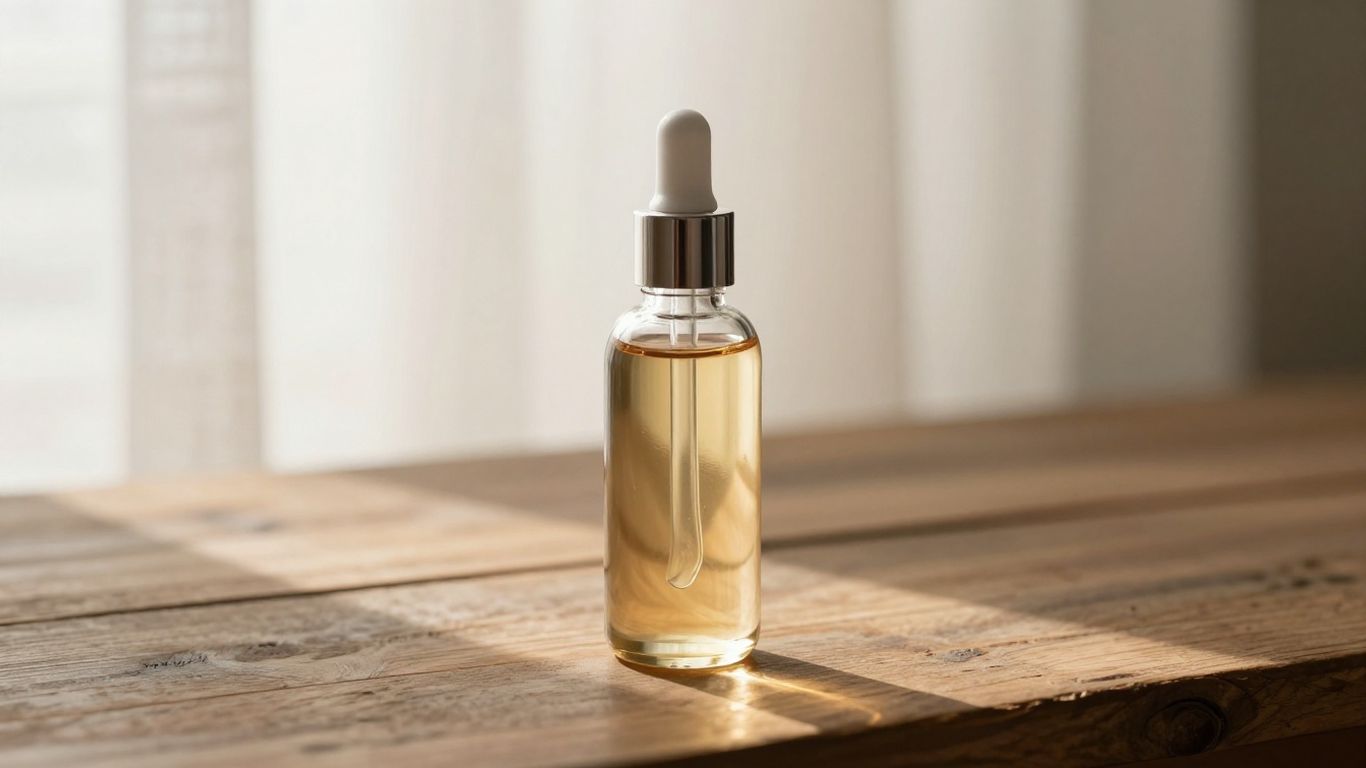
Historically, silver has been used for centuries across various cultures as a traditional antiseptic for skin care and minor wounds. Before the advent of modern pharmacy, communities relied on these methods for topical support. Today, we often look back to these origins to inform our modern wellness choices, ensuring we take a balanced approach to the health of our skin and tissues.
Modern topical skin care integration
Today, many people incorporate these liquids into their beauty routines to support skin health or address minor environmental irritation. Products like BIOCLEAR demonstrate the creative modern integration of natural substances into daily hygiene protocols. Using these in your routine allows for a gentle, non-aggressive approach to managing common skin complaints.
Common household and environmental applications
Beyond personal care, you might find applications for these solutions in maintaining your immediate environment, though keeping expectations realistic is key. Just as you would research the durability of a Conduit Lighting Set for your home, you should ensure that the product you buy is genuinely intended for your specific task. Consider these common uses for stable silver solutions in your household.
- Mist surfaces lightly to maintain a clean environment.
- Apply topically to soothe hives or minor skin irritations.
- Use for occasional first aid on minor abrasions.
- Provide support for pets as suggested by [79b6] for specific skin issues.
These practices illustrate how versatile a well-made solution can be when applied with care and consistent attention to product quality.
How to apply colloidal silver 20 ppm safely
Recommended topical application methods
When applying a 20 ppm solution, a gentle misting or a soft cotton pad application works best for skin issues. It is important to avoid pushing this beyond its intended topical scope, as the safety profile changes entirely when internal consumption is considered. Always follow the guidelines carefully to prevent overuse in any one area.
Proper storage to maintain solution stability
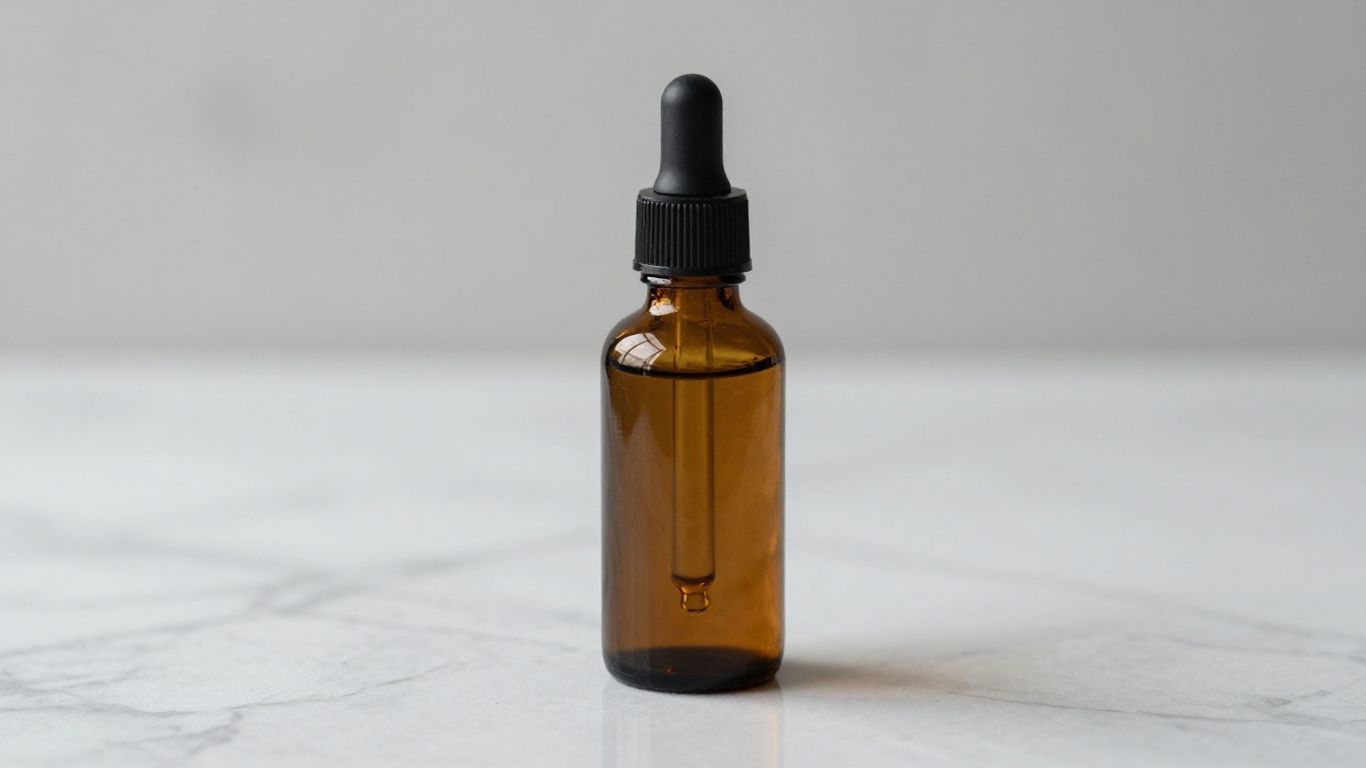
Light and temperature shifts can degrade the quality of your product, so keeping it in a dark, cool place is essential. Brands like [3e46] often package their silver in amber glass to protect against UV exposure, which is an indicator of quality. Treating your health supplies with the same care as one would when reviewing the terms of Bruxen Auto helps avoid unpleasant surprises later on.
Factors influencing shelf life and product potency
Shelf life is determined largely by the purity of the water and the size of the suspended particles. While marketing might claim otherwise, even the best products don’t last indefinitely if they aren’t cared for correctly. Avoiding unreliable advice is like avoiding bad manual lead follow-up systems; you want a reliable process that holds up over time even when you are not paying close attention to every detail.
Safety considerations and potential risks
Understanding the risk of argyria
Argyria is a rare but serious condition characterized by the permanent bluish-gray discoloration of the skin, caused by excessive silver buildup in bodily tissues. While topical use carries a significantly lower risk than oral consumption, it remains a point of concern frequently raised by [e92a]. Keeping to recommended topical boundaries essentially nullifies this risk for most individuals.
Interactions with prescription medications
It is always wise to consult with a professional regarding how silver might interact with your specific needs. Some reports suggest that silver can interfere with the absorption of certain compounds, which underscores the importance of not treating your health regimen as a mix-and-match experiment. Be aware of how your body reacts whenever you introduce a new element to your daily routine.
Recognizing signs of sensitivity or allergic reactions
Even natural substances can trigger reactions in sensitive people. Watch for redness, itching, or an unexpected change in skin texture after the first few applications. By starting slowly and observing the results, you allow yourself the flexibility to withdraw if the product proves unsuitable for your specific skin type.
Tips for choosing high-quality silver products
Reading labels for purity and concentration
When shopping, focus on products that clearly state their ppm concentration and purity standards. Reliable labels will reflect the transparency found in products like [aa79], which specify their serving and composition details clearly. Vague labeling is often a warning sign that the manufacturer is hiding something about their processing methods.
Identifying reputable manufacturing processes
Look for laboratories that provide third-party testing results to confirm their silver count and particle stability. A reputable process will be consistent and repeatable, avoiding the variability that plagues low-end, garage-manufactured batches. Transparency is the hallmark of a brand that values its customers above quick profits.
Why particle size matters for product effectiveness
Nanometer-scale particles provide a larger surface area for better interaction without needing higher concentrations that could be counterproductive. Ensuring you have the smallest particles is really the only way to get true value for your money. Aim for products categorized as true colloidal silver to ensure that these tiny particles are effectively suspended and ready for surface-level interaction.
Conclusion
Choosing and using colloidal silver requires a blend of common sense, research, and a commitment to quality. By focusing on genuine colloidal formulations, respecting safety guidelines, and monitoring how your skin responds, you can confidently integrate this natural option into your wellness routine without falling for overblown or potentially risky claims.
Frequently Asked Questions
Can I use colloidal silver on sensitive skin?
Most people find it mild, but you should always perform a patch test on a small area of your skin first to check for any unexpected sensitivity.
Is it safe to buy any product labeled as colloidal silver?
Not all products are created equal; always look for transparency in concentration and evidence of clean manufacturing processes before making a purchase.
Does higher ppm mean the product is better?
No, higher ppm does not necessarily mean higher efficacy. A smaller particle size at a lower concentration is often more effective and stable than a high concentration of large, unstable silver particles.
Can silver products be kept in plastic containers?
While some might use plastic for convenience, amber glass is superior for long-term storage because it prevents light degradation and potential chemical leaching.
What should the solution look like when it arrives?
High-quality colloidal silver is typically clear or has a very light amber tint, depending on the particle size, but it should never be cloudy or contain noticeable sediment.
Is there any evidence for internal use of silver?
Medical authorities generally warn against internal consumption, citing insufficient proof of benefit and potential risks to organs like the liver or kidneys.
How often should I perform a patch test?
If you have a history of allergies or reactive skin, it is best to perform a patch test every time you start a new bottle or switch to a different product brand.
Related Posts
ConcenTrace trace mineral drops reviews: Benefits, ingredients, safety, and whether they’re worth it
Chemical element silver: Properties, uses, history, and why it matters
Colloidal silver liquid 250 ppm: Uses, safety, quality, and what to know before buying
Silver nitrate molar mass: How to calculate it, use it, and avoid common mistakes
A complete guide to trace minerals for optimal health
A guide to International Silver Company: history, identification, and value
Who found silver? A history of the world’s most versatile metal
Understanding the chemical symbol for silver and its historical roots
