
- You are here:
- Home »
- All Articles »
- A complete guide to 950 silver: what it is and how it compares to sterling
A complete guide to 950 silver: what it is and how it compares to sterling
Key Takeaways
- 950 silver consists of 95% pure silver and 5% alloy metal, creating a balance between softness and durability.
- It offers a brighter, whiter aesthetic compared to standard 925 sterling silver.
- Hallmarks are essential to distinguish between various purity levels like 925, 950, and 999 silver.
- High-purity silver requires gentle care to protect its softer surface and manage natural oxidation.
- Discerning buyers should prioritize craftsmanship and verified hallmarking when investing in premium 950 alloy jewelry.
Understanding the composition of 950 silver
Defining silver purity standards
Silver purity is measured by its millesimal fineness, which represents the parts per thousand of pure silver within a specific alloy. When you look at metal standards, you are essentially determining the concentration of fine silver versus the supplemental metals added to increase structural integrity. This grading system ensures consistency across global jewelry markets, allowing enthusiasts to understand exactly what they are purchasing. You can explore a broader context on silver standards to understand why different regions adopted varying purity requirements over history.
The role of alloying metals in silver jewelry
Pure silver is incredibly soft and would lose its shape almost immediately if used alone in functional jewelry. To combat this, manufacturers add small amounts of other metals, most commonly copper, to harden the material. This minor addition doesn’t compromise the luster of the piece but rather ensures it can survive daily wear without bending or breaking. In the world of colloidal silver production and natural health support, the purity of your silver source wire is equally critical for achieving a stable solution.
The primary differences between 950 silver and 925 sterling
While sterling silver is the industry standard for durability, 950 silver offers a slightly higher concentration of the precious metal. This shift in ratio changes how the metal interacts with light, providing a distinct, warmer glow that many collectors find attractive. For those interested in the variations of 952, 950, and 1000 silver for jewelry, the choice often lands on whether you prioritize the ruggedness of standard sterling or the elevated beauty of the 950 alloy.
Characteristics of 950 silver jewelry
Aesthetic appearance and brightness
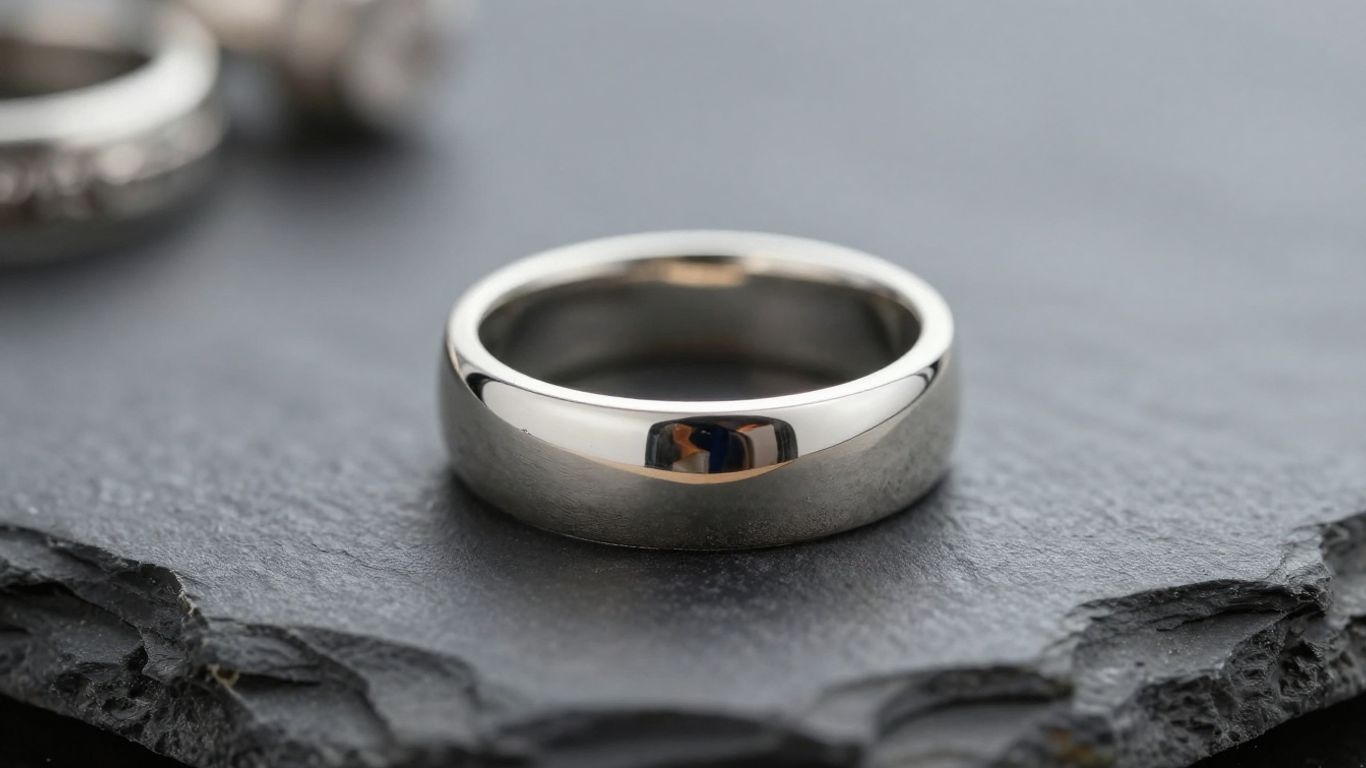
Because 950 silver has less copper, the surface appearance is closer to pure silver, resulting in a brilliant white, reflective finish. This enhanced brightness makes the metal pop, especially in intricate artisan designs where light refraction matters. Many find that jewelry crafted from this grade remains visibly more luminous after long periods of wear compared to darker variations of lower-grade alloys.
Softness and wearability concerns
Despite its beauty, the higher purity level makes the metal slightly more prone to minor scratches and bending than standard 925 sterling. This softness is a trade-off that requires the wearer to be a bit more mindful of their activities while wearing delicate rings or bracelets. If you are a colloidal liquid silver enthusiast, you might appreciate that the same properties which allow for silver’s unique metal behavior also inform its use in various natural wellness applications.
Common applications in artisan and handmade jewelry
Artisans often select 950 silver for custom pieces because it is easy to manipulate and work with during complex smithing processes. It is a favorite for filigree work and handmade pendants, as the metal holds fine details remarkably well. The following table illustrates some common alloy grades and their primary use cases:
| Alloy grade | Silver content | Typical application |
|---|---|---|
| 999 silver | 99.9% | Bullion coins |
| 950 silver | 95.0% | Artisan jewelry |
| 925 sterling | 92.5% | Flatware and rings |
Selecting the right material for your project or collection ensures that your final piece balances artistry with long-term functionality.
Identifying and hallmarking 950 silver
Interpreting standard hallmark stamps
Identifying 950 silver is usually as simple as locating a small stamp on the inner band of a ring or the clasp of a necklace. The number ‘950’, sometimes accompanied by other symbols or purity indicators, officially categorizes the piece’s chemical composition. Recognizing these marks is a foundational step in ensuring you aren’t paying a premium price for lower-grade plate.
Legal requirements for labeling higher purity silver
Different countries have diverse regulations regarding how silver must be marked for public sale. Compliance with these laws protects consumers from fraud and keeps the playing field level for established workshops. When shopping internationally, it is helpful to understand the local consumer expectations that govern what labels like ‘silver’ or ‘sterling’ actually imply.
Professional testing methods for verifying silver content
When a hallmark is missing or suspect, professional testing becomes necessary to determine the metal’s true value. Jewelers might use an acid test or an X-ray fluorescence scanner to non-destructively measure the silver content at the surface level. For those seeking DIY colloidal silver manufacturing insights, ensuring the source material is pure is the first requirement toward achieving a successful result in your home setup.
Caring for and maintaining 950 silver pieces
Strategies for preventing oxidation and tarnish
Silver reacts naturally with sulfur in the air, leading to unwanted tarnish over time. You can slow this process significantly by limiting exposure to moisture and harsh household chemicals, such as hairspray or perfumes. Storing your jewelry in an airtight environment is a simple, effective habit for maintaining brilliance throughout the year.
Recommended cleaning routines for high-purity items
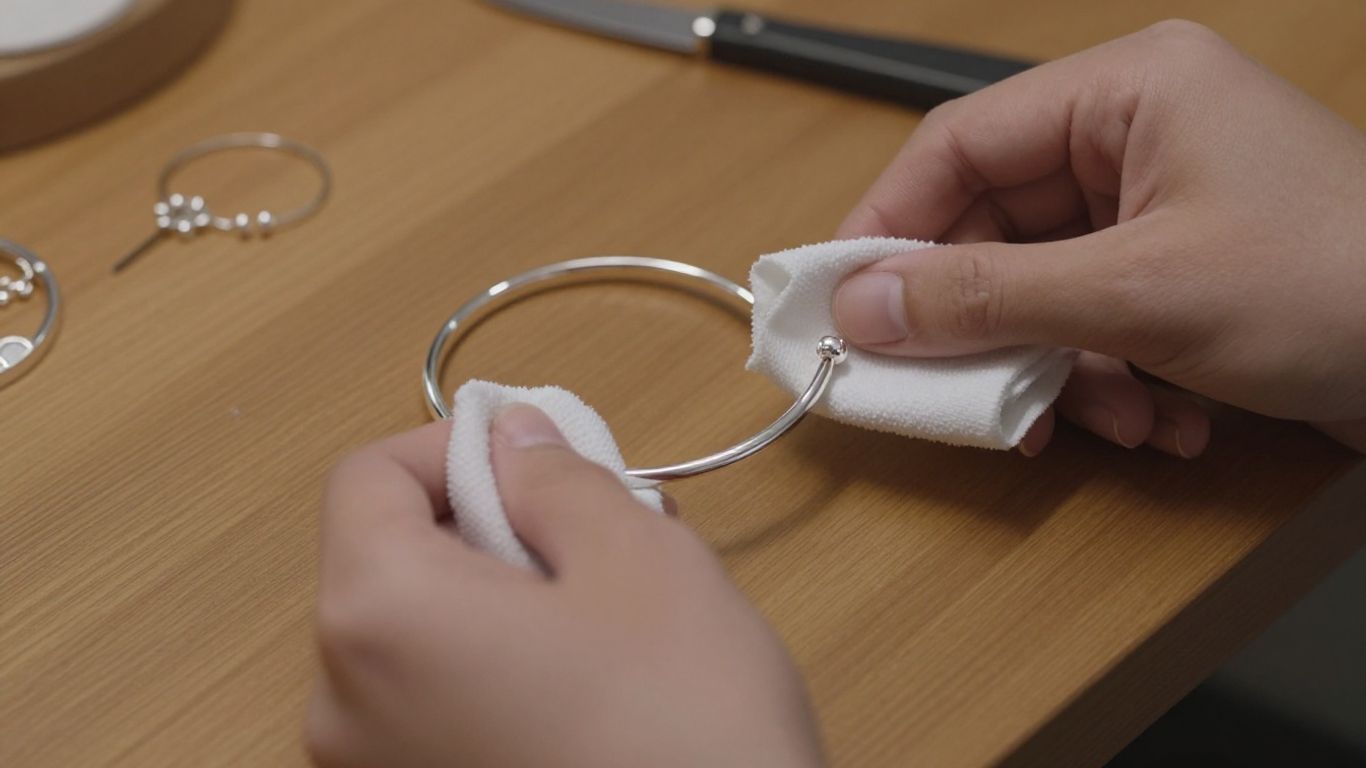
If tarnish does occur, avoid using aggressive dips that can strip away the delicate patina or finish of high-purity metal. Instead, focus on a gentle approach using a soft, non-abrasive cloth to polish the surface. If you have been exploring pet-specific colloidal silver or other natural skin solutions, keep your jewelry safely away during application to avoid any accidental reaction with the silver surfaces.
Safe storage practices to minimize surface scratches
Because 950 silver is softer than other jeweler’s metals, keeping pieces in individual felt pouches is an ideal strategy. This physical separation prevents harder stones or other metal jewelry from rubbing against the silver during movement. Consider these three steps for storage safety:
- Use individual microfiber or soft cloth pouches.
- Keep your jewelry in a temperature-controlled environment away from humidity.
- Avoid leaving pieces exposed to direct sunlight for long periods.
By following these simple storage habits, you preserve the original texture and polish of your favorite accessories for years to come.
Comparing 950 silver to other common grades
Distinguishing 950 silver from 999 pure silver
While 950 silver is quite pure, it remains technically an alloy, whereas 999 silver is considered fine silver. 999 grade is almost exclusively reserved for investment purposes rather than daily wear because it is too malleable to maintain the structure of a prong setting or a hinge. If you are curious about silver bullion as a tangible asset, understanding the distinction between these grades is a necessary starting point.
The trade-off between metallic softness and tarnishing
There is a constant push-pull relationship between how soft a metal is and how easily it reacts to oxygen. Higher purity metals are slightly more resistant to deep tarnishing, but they are also more susceptible to dings and dents from everyday life. Finding the right mix depends on how often you intend to wear the piece versus how much care you are willing to invest in maintenance.
Market value and investment considerations for buyers
Value is determined by both the intrinsic weight of the silver and the quality of the craftsmanship involved. 950 silver often carries a premium because it represents a refined step above standard sterling. Buyers looking for stable investments should always verify the weight and purity markers before finalizing any high-value transactions.
Buying tips for 950 silver consumers
Assessing the quality of craftsmanship in high-purity pieces
Look closely at the consistency of the polish and the integrity of any soldered joints on a piece. High-quality work will feel uniform, with no signs of pitting or rough edges that often hide in the crevices of inferior productions. Superior craftsmanship should always highlight the natural white beauty of the silver alloy.
Verifying the legitimacy and reputation of the seller
Always check for business reviews and clear return policies before purchasing premium jewelry. A reputable seller will be transparent about their materials and happily explain how they verify the purity of their stock. Whether you are searching for jewelry or looking for detailed tips on colloidal silver usage for health applications, the trustworthiness of your source determines the quality of your experience.
Determining fair market pricing for premium alloys
Fair market pricing for 950 silver reflects the spot price of the raw metal plus a markup for the artistry and labor involved. Be wary of deals that appear significantly below market rates, as these often signal counterfeit materials or plated items passing as solid alloy. Education is your best tool when navigating the market, so take your time to compare prices across multiple verified sources.
Conclusion
Choosing 950 silver allows you to enjoy a higher purity of precious metal, providing a noticeably brighter finish that stands apart from standard sterling jewelry. By understanding the composition, respecting the inherent softness of this grade, and committing to proper maintenance, you ensure that your pieces remain as stunning as the day you first purchased them. Whether you are adding to a curated collection or finding a special artisan piece, this guide provides the clarity needed to shop with total confidence.
Frequently Asked Questions
Is 950 silver better than 925 sterling silver?
It depends on your goals, as 950 silver offers increased brilliance, while 925 provides greater resistance to scratches and accidental bending.
Does 950 silver tarnish easily?
It does tarnish over time due to oxygen exposure, although its higher purity level makes the reaction slightly slower than that of standard sterling alloys.
Can you wear 950 silver jewelry every day?
You can, though you must be more mindful of activities that might lead to impacts or deep scratches compared to wearing traditional 925 sterling.
What does the 950 hallmark signify on jewelry?
The hallmark confirms the metal contains 950 parts per thousand of pure silver, verifying that it meets higher purity standards than common sterling.
Is 950 silver considered a good investment?
It has a higher intrinsic metal value than standard sterling, but jewelry is generally priced based on labor and craftsmanship rather than bullion value alone.
How should I clean 950 silver at home?
Use a soft, non-abrasive cloth to gently polish the surface, avoiding harsh commercial dips that can damage the luster of the high-purity alloy.
Can I repair 950 silver if it bends?
Yes, a skilled jeweler can typically restore the shape of a bent 950 silver piece, though it is best to consult a professional to ensure the repair matches the piece’s finish.
Related Posts
Chemical element silver: Properties, uses, history, and why it matters
A complete guide to trace minerals for optimal health
A guide to International Silver Company: history, identification, and value
The essential guide to silver oxide: properties, applications, and safety
The ultimate guide to Trace Power Pak electrolytes: Benefits, usage, and ingredients
The complete guide to daily mineral drops for optimal health
A guide to using Trace keto electrolyte powder for optimal hydration
The essential guide to trace minerals multivitamin supplementation
