
- You are here:
- Home »
- All Articles »
- How to buy colloidal silver: A guide to quality and safety
How to buy colloidal silver: A guide to quality and safety
Key Takeaways
Navigating the world of colloidal silver can feel overwhelming, but focusing on quality standards helps you find effective products for your skin and wellness needs. Understanding what you are buying is the first step toward making an informed purchase.
- Prioritize products that explicitly disclose parts per million (PPM) values for consistent strength.
- Seek out manufacturers that provide certificates of analysis to verify purity and standardized particle sizes.
- Avoid silver products that contain unnecessary protein stabilizers or artificial additives that could affect stability.
- Distinguish between true colloidal silver and ionic products, as their behavior in the body differs significantly.
- Always check for potential contraindications before integrating any new mineral solution into your routine.
Understanding the basics of colloidal silver
What colloidal silver actually is
At its core, colloidal silver is a suspension of tiny metallic silver particles within a liquid base, typically purified water. These particles remain distributed throughout the liquid rather than dissolving, which distinguishes the product from chemical compounds found in traditional solutions. For those exploring natural health alternatives, understanding this physical composition is essential for distinguishing high-quality options from diluted or poorly manufactured alternatives.
Historical context versus modern medical claims
Humans have used silver for centuries to support various aspects of health before the prevalence of modern synthetic manufacturing methods. While historical uses span from topical applications in wound care to general hygiene practices, contemporary discussions often contrast these traditions with official warnings from regulatory bodies. It is useful to look at the scientific inquiry into silver suspensions to grasp why some individuals prefer these options despite differing opinions from mainstream medical institutions.
Regulatory status and FDA oversight
Navigating the current marketplace requires acknowledging that these products operate under specific guidelines and oversight. The FDA warns about the lack of clinical evidence for internal use, emphasizing the importance of doing your own research before committing to a wellness regimen. Being aware of these regulatory boundaries helps set realistic expectations for what these products are intended to do versus common anecdotal reports you might find online.
Identifying high-quality colloidal silver products
The significance of parts per million (PPM) concentrations
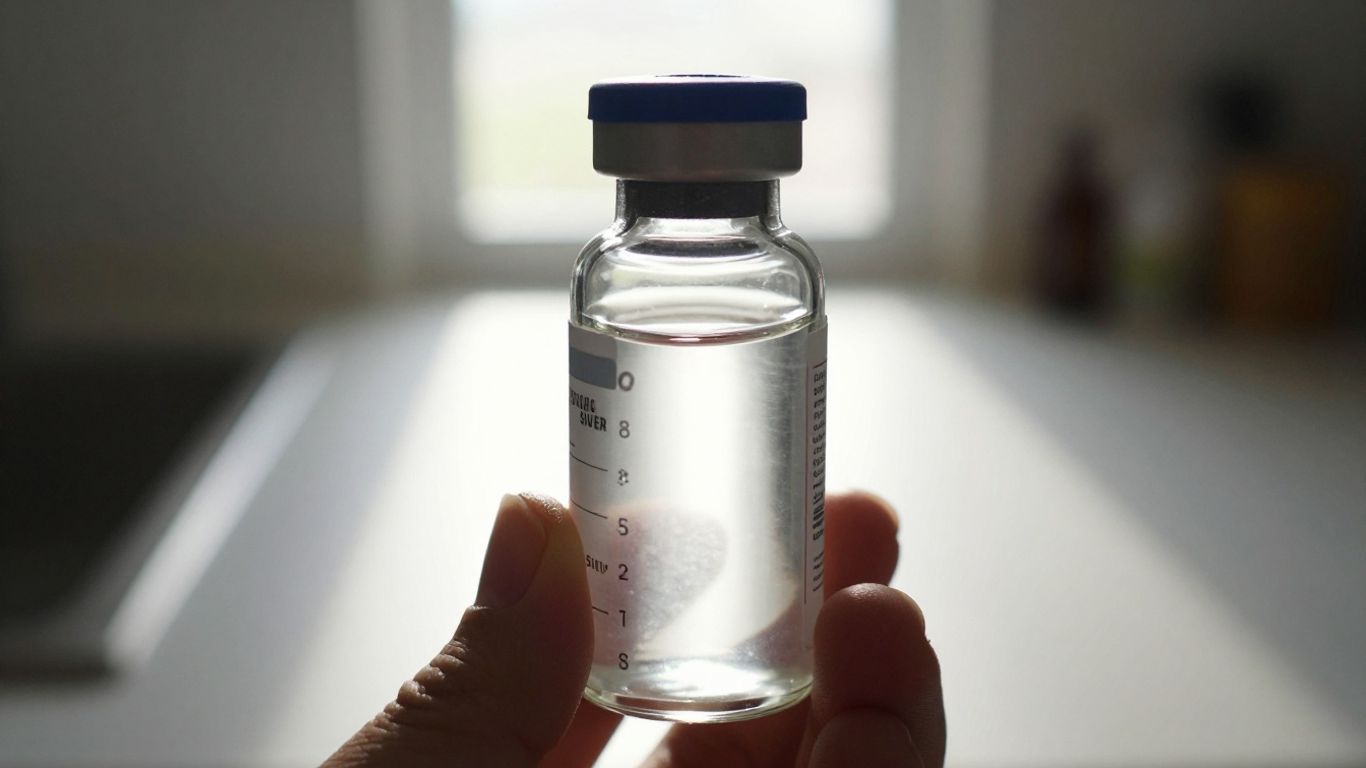
When you buy colloidal silver, the concentration level indicated by PPM often serves as one of the primary benchmarks for comparison. It indicates how much silver content exists relative to the water volume, giving you an idea of the product’s density. Simply having a higher number does not necessarily equate to better quality, as the balance of particle size and suspension stability is equally vital.
Particle size and its impact on biological effectiveness
Finding the right product involves looking for small, consistent particles that remain suspended without falling out of the mixture. This nano silver and colloidal silver comparison often highlights how smaller particles may increase surface area, potentially influencing how the silver interacts with your skin or other targeted areas. Understanding these physical properties ensures you are choosing a product designed for actual efficacy rather than just visual appearance.
Distinguishing between true colloidal silver and ionic silver
Many consumers are surprised to learn that not all silver products contain metallic particles. Ionic silver, which consists of silver ions, is often sold as colloidal silver, though they possess different characteristics. To keep your research focused, you can evaluate the following key differences:
| Feature | True Colloidal Silver | Ionic Silver |
|---|---|---|
| Composition | Metallic particles | Silver ions |
| Appearance | Typically amber or dark | Clear like water |
| Stability | High particle density | Requires specific environment |
By comparing these factors, you can more reliably source a product that matches your specific wellness goals, such as supporting healthy skin surfaces. Taking this step ensures that if you decide to buy colloidal silver, you are getting the form you actually intend to use for your routine.
Evaluating purity and manufacturing standards
Identifying unnecessary additives and protein stabilizers
Manufacturers sometimes add proteins or other compounds to keep silver particles from settling, but these can be unnecessary for high-quality suspensions. Look for brands that pride themselves on maintaining purity, avoiding artificial colors, sweeteners, or strange preservatives. Choosing a product without these extras is generally better for those who prefer minimal, clean ingredients in their wellness routine.
The necessity of pharmaceutical-grade distilled water
Water quality matters immensely in the production of silver solutions. If the base water contains impurities, it can lead to contaminants that might compromise the end product. Using high-purity, distilled water is the industry standard for creating stable, safe suspensions, as it prevents unwanted chemical reactions that can occur with tap or mineral-heavy water.
Why third-party lab testing and certificates of analysis matter
Because the supplement industry is vast, third-party testing provides a crucial layer of transparency that you should not overlook. A certificate of analysis acts as a verification tool that shows a lab has actually tested the batch for particle size, metal content, and a lack of contaminants. You might consider checking labels for these details as part of your informed choice process when selecting a reliable brand.
Safety considerations prior to purchase
Navigating dosage recommendations and usage limits
Following suggested usage patterns is vital for maintaining a positive experience. While many people use silver topically for skin concerns, the side effects of colloidal silver often come into play when intake levels are not clearly defined or are ignored. Always stick to the label’s guidelines and avoid the temptation to assume that taking more is necessarily beneficial for your health.
Understanding potential side effects and the risk of argyria
One of the most documented risks associated with silver, particularly when used frequently over long periods, is argyria. This condition involves a permanent bluish-gray skin discoloration caused by the accumulation of silver pigments. It is crucial to read about potential impacts on body tissues and monitor how your own skin responds during the early stages of using any silver-based product.
Checking for contraindications with current medications
Before adding new supplements, verify if they might interfere with anything else you use. Silver can sometimes affect the absorption of common options like thyroid supplements or certain antibiotics. It is smart to talk things over with your doctor, especially if you have existing health vulnerabilities or are managing ongoing wellness protocols.
Best practices for buying safely online and in-store
How to evaluate brand reputation and customer transparency
When you see a brand mention Ultra Colloidal Silver™ as an option for immune support, look for the company’s commitment to quality control and their history of sourcing. A reputable company should be clear about how their product is produced and provide easy access to support if you have questions. Brands that are transparent about their manufacturing standards are almost always a safer bet for the long-term.
Red flags to watch for in online marketplace listings
Online platforms can sometimes hide mediocre products behind impressive but unsubstantiated marketing language. If a listing makes bold, sweeping diagnostic claims or avoids mentioning the actual silver PPM level, consider that a significant warning sign. You should also be cautious of brands that rely heavily on video testimonials without offering any objective data or certificates confirming the safety and testing of their specific batch.
Comparing local health food stores versus specialized e-commerce outlets
Local health stores offer the benefit of speaking with knowledgeable staff who might actually have experience with the products on their shelves. However, specialized e-commerce sites often provide a broader variety of options and detailed documentation that might be harder to find elsewhere. Consider these options:
- Visit local shops for immediate access and the ability to inspect the physical bottle condition.
- Use specialized e-commerce outlets for access to detailed batch-tested certificates of analysis.
- Cross-reference online supplier reputation against independent wellness forums before purchasing.
Choosing a source where you feel the customer service is proactive and informative helps you feel more confident in your final selection. Whether you choose Swanson Vitamins or explore specific Earthley Wellness options, the focus remains on finding a partner that aligns with your health transparency requirements if you choose to buy colloidal silver.
Conclusion
Finding the right product comes down to ignoring the marketing noise and focusing on the physical specifications like particle size, PPM concentration, and documented purity. While the debate regarding silver’s use remains ongoing, being an educated consumer allows you to manage your wellness journey safely and effectively. Always prioritize your individual health history and consult with trusted professionals when integrating new elements, ensuring that your path toward natural solutions remains grounded, clear, and sustainable.
Frequently Asked Questions
What is the difference between colloidal silver and liquid silver?
Colloidal silver refers to metallic silver particles suspended in liquid, while the broader term liquid silver can sometimes describe various forms, including ionic solutions. Understanding the distinction helps you confirm which type of silver you are genuinely purchasing for your specific needs.
Can I use colloidal silver for skin irritation?
Many individuals use thin layers of silver-based products to address minor skin issues, though it is not a cure-all. It is best to patch-test the product on a small area of your skin first to confirm you do not have any sensitivity to the mineral content.
How long should I use colloidal silver products?
Usage duration often depends on your specific goals and the manufacturer’s directions, but most experts suggest limiting continuous, long-term intake. Following the product label’s usage limits is a standard approach to avoid the potential for tissue accumulation over time.
Does high PPM automatically mean a better product?
Higher PPM just means higher concentration, not necessarily superior quality or effectiveness upon use. The size of the particles and the stability of the suspension are usually much more important to the product’s overall performance than the raw silver concentration alone.
Is colloidal silver safe for daily internal use?
Regulatory bodies advise caution and note that evidence supporting internal health benefits is sparse and not clinically validated. Because of the risk of potential interactions with other health management protocols, it is important to speak with your doctor before deciding on a daily internal regimen.
What does a certificate of analysis actually verify?
This document confirms that a third-party laboratory has tested a specific batch of product for key metrics like potency, particle size, and any potential impurities or contaminants. It serves as an essential verification tool for consumers wanting proof of a product’s stated contents.
Why does some colloidal silver turn gray in color?
While some high-quality formulations exhibit a natural amber hue, significant changes in color might indicate issues with particle stability or oxidation. If a bottle arrives with an unexpected appearance or signs of contamination, it is safer to return the item rather than risk using a product that has lost its integrity.
Related Posts
Silver hydrosol vs colloidal silver: Key differences, claims, and safety
Silver Wings Colloidal Silver: Uses, Safety, and What to Know
Magnesium glycinate trace minerals: benefits, dosage, ingredients, and how to choose it
ConcenTrace trace mineral drops reviews: Benefits, ingredients, safety, and whether they’re worth it
Chemical element silver: Properties, uses, history, and why it matters
Colloidal silver liquid 250 ppm: Uses, safety, quality, and what to know before buying
Mineral vitamins explained: Benefits, types, food sources, and how to choose a supplement
How to add minerals to water safely: Methods, benefits, and practical tips
