
- You are here:
- Home »
- All Articles »
- Chemical element silver: Properties, uses, history, and why it matters
Chemical element silver: Properties, uses, history, and why it matters
Key Takeaways
Silver is both an ancient precious metal and a highly useful modern element. Its unusual conductivity, chemical behavior, and recoverability explain why it continues to matter.
- Silver is the chemical element with atomic number 47 and the symbol Ag.
- It is the best electrical conductor among the elements under ordinary conditions.
- Much of the world’s silver is recovered as a byproduct of mining other metals.
- Silver compounds behave very differently from elemental silver.
- Recycling, careful production, and responsible handling will shape silver’s future.
What the chemical element silver is
The chemical element silver is a naturally occurring transition metal with a long history in money, ornament, and technology. It belongs to the same broad family as copper and gold, but its combination of brightness, softness, and conductivity gives it a distinct character. Silver is not merely valuable because it looks attractive; its atomic structure makes it unusually useful.
Atomic number, symbol, and position on the periodic table
Silver has atomic number 47, meaning that each neutral silver atom contains 47 protons. Its chemical symbol is Ag, and it sits in group 11, period 5, and the d-block of the periodic table. A useful reference for its basic data is this silver element overview, which places its atomic structure alongside its physical properties.
The element’s ground-state electron configuration is commonly written as [Kr] 4d¹⁰ 5s¹. That outer electron helps explain why silver commonly forms a +1 oxidation state. Its position near copper and gold also helps explain similarities in metallic bonding and reactivity, although the three metals are not interchangeable.
The origin of silver’s name and symbol Ag
The English word “silver” has Germanic roots, while the symbol Ag comes from the Latin word argentum. That difference between everyday language and scientific notation is a reminder that chemical symbols often preserve older histories. Ancient societies valued silver long before modern chemistry could describe its atoms.
The story behind Ag is covered in this history of silver’s Ag symbol, including how the Latin name endured in technical language. Using a fixed symbol is more than tradition: it prevents confusion in laboratory formulas, manufacturing records, and safety documentation.
Isotopes and naturally occurring forms
Naturally occurring silver consists mainly of two stable isotopes, silver-107 and silver-109. Both have the same number of protons, so they are the same element, but they differ in neutron count and atomic mass. Their proportions contribute to silver’s standard atomic weight of about 107.87.
Silver can occur as native metal, but it is more often found within minerals containing sulfur, lead, copper, zinc, or other elements. Geological fluids, volcanic activity, and the alteration of rock over long periods can concentrate it into deposits that are practical to mine.
How silver compares with other precious metals
Silver is softer and generally less dense than gold or platinum, and it tarnishes more readily than either. Gold is famous for its resistance to chemical attack, while platinum is dense and highly resistant to corrosion. Silver occupies a different niche: it combines precious-metal appeal with outstanding electrical and thermal performance.
That balance makes silver unusually versatile. A small amount may serve as jewelry, a reflective coating, a conductive contact, or a chemical reagent, depending on its form and purity.
The physical and chemical properties of silver
Silver is a lustrous white solid at room temperature, and its physical traits are easy to connect to everyday objects. It can be drawn into wire, pressed into thin sheets, and polished to a brilliant surface. At the same time, its chemistry is subtle: silver resists oxygen reasonably well but reacts readily with certain sulfur-containing substances.
Color, luster, density, and melting point
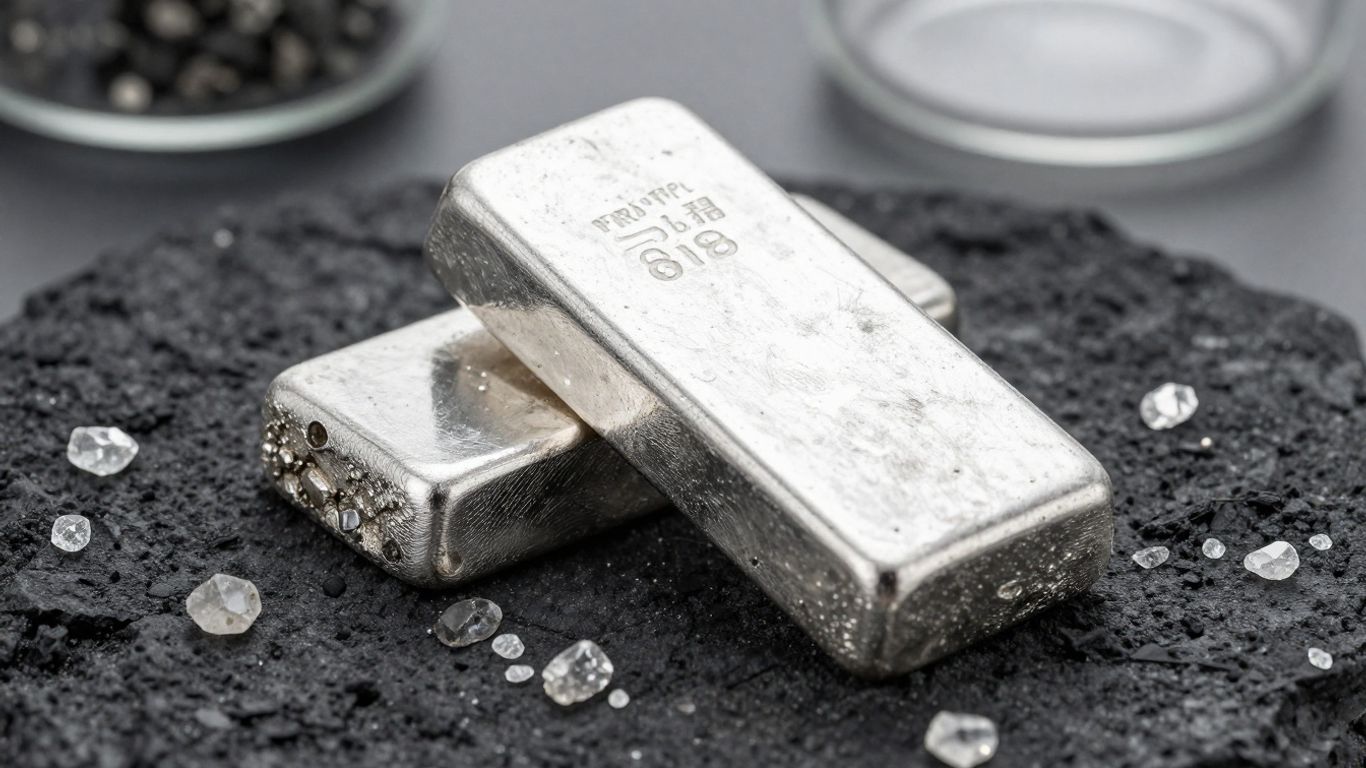
Pure silver has a bright, metallic luster and a pale white color. Its density is about 10.5 grams per cubic centimeter at room temperature, placing it well above common structural metals such as aluminum. Silver melts at approximately 961.8°C and boils at roughly 2,162°C.
Its softness makes pure silver easy to shape, but that same softness limits its wear resistance. Jewelry and tableware are therefore often made with alloys, such as sterling silver, rather than completely pure metal.
Why silver is the best electrical conductor
Silver has the highest electrical conductivity of any element under ordinary conditions. Electrons move through its metallic lattice with exceptionally little resistance, allowing silver to carry current efficiently. This exceptional conductivity is why silver appears in specialized contacts, high-performance electronics, and conductive materials even though copper is often more economical for bulk wiring.
Conductivity is affected by impurities, surface condition, temperature, and the design of the component. Silver is not automatically the right choice for every electrical system, but where low resistance and reliable contact matter, its performance is difficult to match.
Thermal conductivity and reflectivity
Silver also transfers heat very effectively. Its high thermal conductivity helps spread heat across a surface, while its polished finish reflects much of the visible spectrum and a large share of infrared radiation. These traits make it useful in coatings, precision instruments, and some heat-management applications.
The visual brightness people associate with silver is therefore connected to measurable behavior. A clean, smooth surface reflects light strongly; scratches, oxidation products, and sulfide films reduce that effect.
Chemical reactivity and resistance to oxidation
Silver does not rust like iron because it does not readily form the same porous iron oxides in air. It can, however, react with sulfur compounds in the atmosphere, on skin, or in packaging. The resulting silver sulfide forms the dark layer commonly called tarnish.
The balance between stability and reactivity is central to silver chemistry. It remains metallic in many environments but can release Ag⁺ ions or form insoluble compounds when exposed to suitable reagents.
Where silver comes from and how it is produced
Silver enters the economy through geology, mining, refining, manufacturing, use, and recovery. It may be visible as native metal, but commercial supply usually comes from complex ores where silver is mixed with other valuable elements. Production is consequently tied to the economics and environmental controls of several mining industries.
Major silver ores and natural deposits
Important silver-bearing minerals include acanthite, which is primarily silver sulfide, as well as chlorargyrite and other minerals associated with lead, copper, zinc, and gold deposits. Veins formed by hot geological fluids can contain silver in concentrations high enough to support extraction.
The metal’s history is closely tied to these deposits. Ancient mining centers helped shape trade and political power, while later discoveries changed global currency and commerce. The broader history of silver mining and trade shows how geology and human systems have influenced one another.
Primary silver mining versus byproduct recovery
Some mines are developed mainly for silver, but a large share of modern silver is recovered while processing ores primarily mined for lead, zinc, copper, or gold. This byproduct relationship means silver supply does not respond only to silver prices. A mine may continue producing silver because another metal makes the operation worthwhile.
The distinction matters when discussing sustainability. Expanding silver supply can involve opening a new mine, improving recovery at an existing operation, or reclaiming metal from materials already in circulation.
Key stages of refining and purification
After ore is extracted, it is crushed and processed to separate a valuable concentrate from waste rock. Smelting, leaching, flotation, and other methods may be used depending on the minerals present. Refiners then separate silver from lead, copper, gold, and remaining impurities.
The final purification route depends on feedstock and desired grade. A typical sequence can include:
- concentrating the silver-bearing mineral;
- recovering a mixed metallic or chemical intermediate;
- separating silver from companion metals;
- casting or granulating refined silver for later use.
These stages explain why “silver production” is not one universal recipe. The chemistry of the ore determines which steps are practical, and the quality of the final material depends on careful control throughout the process.
Environmental challenges in silver production
Mining can disturb land, consume water, generate tailings, and create risks if waste materials are poorly managed. Processing reagents and energy use add further pressures. Responsible operations therefore require monitoring, containment, reclamation, and transparent reporting rather than relying on the value of the final metal to justify every practice.
Readers assessing sustainability claims may find the discussion of ESG business challenges useful because environmental promises can be difficult to compare when standards and reporting methods differ. For silver specifically, recycling and better recovery can reduce the need for entirely new extraction, though neither option is impact-free.
The main uses of silver today
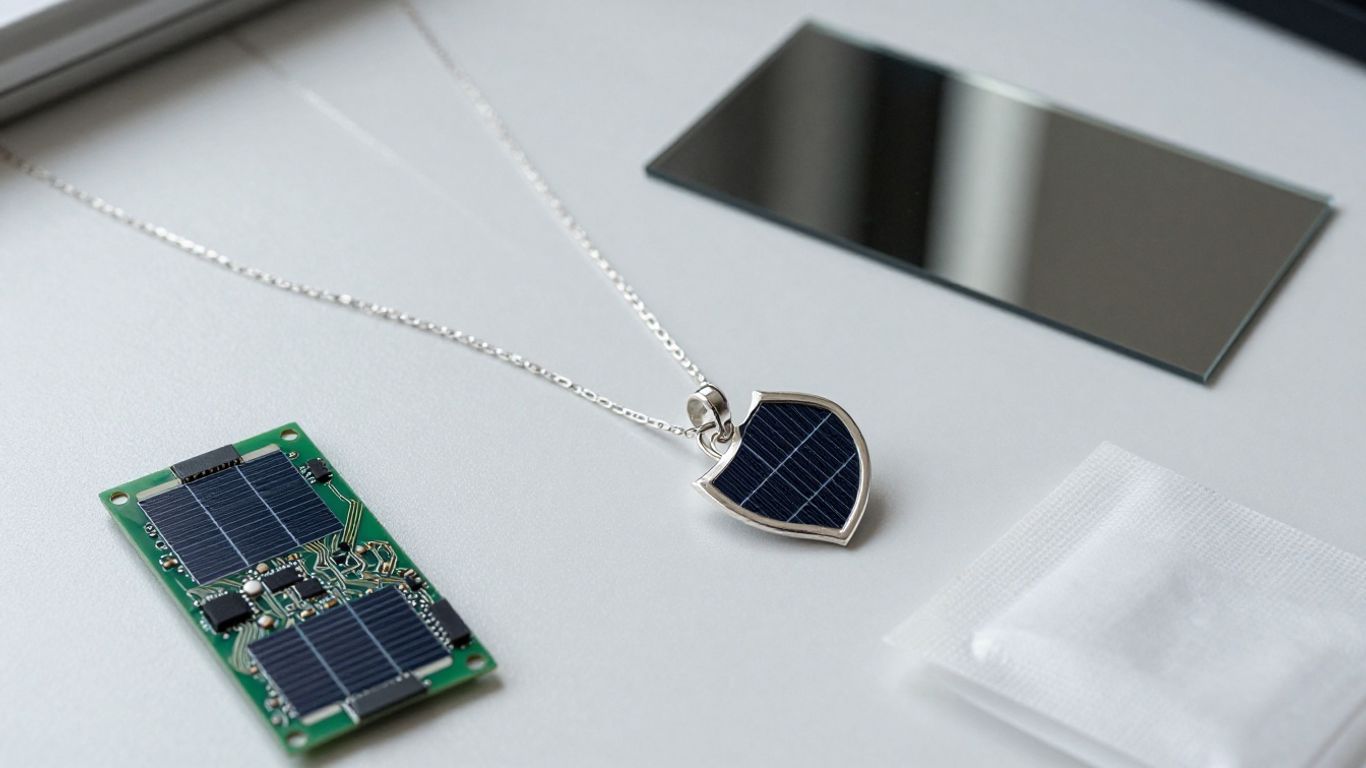
Silver’s uses stretch from familiar objects to components hidden inside modern infrastructure. Jewelry and coins remain visible examples, while electronics, photovoltaic cells, medical materials, and industrial coatings account for much of its practical importance. The same element can be valuable for appearance in one setting and for ion release or conductivity in another.
Jewelry, coins, and decorative objects
Silver is attractive, workable, and relatively accessible compared with some other precious metals. Artisans use it for rings, chains, sculpture, flatware, and decorative details. Because pure silver is soft, alloys improve hardness and durability for everyday objects.
Coins also carry silver’s historical role as a store of value and medium of exchange. Even when a coin is no longer used as ordinary money, its metal content, condition, rarity, and design can affect how collectors value it.
Electronics, electrical contacts, and solar panels
Silver’s conductivity makes it useful in electrical contacts, switches, printed conductors, and selected high-performance components. It is also used in conductive pastes and contacts for photovoltaic cells. The amount in any one device may be small, but large-scale manufacturing creates substantial demand.
Cost, reliability, corrosion behavior, and the need for a particular electrical performance all influence material choices. Engineers often use silver where its performance can justify its price rather than treating it as a universal substitute for other conductors.
Medical, antimicrobial, and water-treatment applications
Silver ions can interfere with microorganisms by interacting with cell membranes, proteins, and other biological structures. This chemistry supports carefully controlled uses in some dressings, coatings, and water-treatment systems. The application, concentration, exposure time, and formulation all matter.
SilveryGuy’s skin-health information discusses colloidal silver in the context of skin concerns and natural wellness. That kind of material should not be confused with proof that ingesting silver products is safe or effective; topical use, regulated products, and internal exposure are separate questions.
Photography, mirrors, and specialized industrial uses
Traditional photographic materials relied on light-sensitive silver halides to form images. Although digital photography has reduced that demand, silver chemistry still appears in selected imaging and technical applications. Silver coatings can also produce highly reflective mirrors and optical surfaces.
Other specialized uses include brazing alloys, catalysts, laboratory materials, and antimicrobial surfaces. A useful overview of silver’s industrial applications helps connect these less visible roles with the element’s familiar uses in jewelry and coinage.
Silver compounds and important chemical reactions
Elemental silver is only one part of silver chemistry. When silver forms ions or compounds, its solubility, color, reactivity, and biological behavior can change dramatically. Understanding that distinction prevents many everyday misunderstandings, especially around products described generally as “silver.”
Common silver compounds, including silver nitrate
Silver nitrate, AgNO₃, is a white crystalline compound that dissolves readily in water and is sensitive to light. It is used as a laboratory reagent, a precursor to other silver compounds, and in selected medical and industrial applications. It must be handled carefully because it can stain skin and damage tissue.
Silver oxide, Ag₂O, is another important compound and can participate in battery chemistry and organic reactions. A focused silver oxide safety guide explains why the compound’s uses must be considered alongside storage and handling requirements.
How silver ions interact with halides and other substances
Silver ions react with halide ions to form sparingly soluble precipitates. Silver chloride is white, silver bromide is pale cream, and silver iodide is yellow; these differences have made silver salts useful in qualitative analysis and photography. The reactions are also a clear example of how solubility rules can reveal the identity of an ion.
Silver ions can bind to sulfur-containing groups and interact with proteins and other molecules. Those reactions help explain antimicrobial effects, tarnish formation, and the need to control exposure in biological or environmental settings.
Tarnishing, sulfides, and methods of cleaning silver
Tarnish is mainly associated with a surface layer of silver sulfide formed when silver meets sulfur-containing gases or materials. It is not the same as rust, and removing it is a chemical or abrasive process rather than a simple washing step.
Gentle polishing can remove a thin tarnish layer from durable objects, while aggressive abrasion may erase fine details or plating. For valuable or historic pieces, conservation advice is safer than experimenting with harsh household chemicals.
The difference between elemental silver and silver compounds
Elemental silver is a metallic solid made of silver atoms in a lattice. Silver compounds contain silver chemically joined to other elements, and their properties can be entirely different. Silver nitrate, for example, is not a metallic fragment of silver dissolved in water; it is an ionic compound with its own hazards and uses.
The same caution applies to colloidal and ionic silver products. SilveryGuy’s colloidal silver safety discussion addresses the distinction between forms and the health concerns surrounding internal consumption. Product labels, concentration, particle size, and route of exposure should never be treated as interchangeable details.
Silver’s value, sustainability, and safe handling
Silver’s importance depends on more than its spot price. It is a material with cultural value, industrial demand, environmental costs, and health considerations that overlap but should not be confused. A responsible view asks where silver came from, how long it will remain useful, and what happens after the first product reaches the end of its life.
What determines silver’s market value
Market value reflects investment demand, industrial consumption, mine supply, recycling, currency conditions, and expectations about future availability. Purity and form matter too: a refined bullion product, a collectible coin, and an antique object are valued through different markets.
Prices can move quickly because silver is both a precious metal and an industrial input. That dual identity makes it more sensitive to manufacturing cycles than metals used mainly for adornment or investment.
Recycling silver from electronics, jewelry, and industrial waste
Silver can be recovered from discarded electronics, photographic materials, jewelry, catalysts, and manufacturing waste. Recycling begins with collection and sorting, followed by mechanical separation and chemical or thermal recovery. The process is worthwhile when the silver concentration, volume, and processing costs align.
Useful recovery habits include:
- keeping electronic waste out of ordinary household trash;
- separating valuable jewelry from mixed scrap when possible;
- using certified recyclers for complex electronic materials;
- preserving industrial process residues for controlled recovery.
Recycling does not eliminate energy use or chemical handling, but it returns material to circulation and can reduce pressure on new deposits. Clear records also make it easier to distinguish genuine recovery from vague sustainability claims.
Health effects of silver exposure and ingestion
Brief contact with solid silver is generally different from repeated exposure to soluble silver compounds or suspended particles. High or prolonged exposure can cause argyria, a usually permanent blue-gray discoloration of the skin. Some silver compounds can irritate or injure tissue, and ingested products may interact with medicines or affect organ function.
Health agencies have warned against ingesting colloidal silver as a treatment for disease. SilveryGuy’s colloidal silver research notes the difference between external applications and internal use, but personal stories do not replace clinical evidence or professional care.
Future applications and supply considerations
Future demand may come from electronics, renewable-energy equipment, medical coatings, sensors, and other technologies that benefit from conductivity or controlled antimicrobial behavior. At the same time, manufacturers are working to reduce material use, improve recovery, and design products for easier recycling.
The central supply question is not simply whether silver exists underground. It is whether the metal can be produced, used, recovered, and managed with acceptable environmental and social costs. Better measurement will matter as much as new extraction techniques.
Conclusion
Silver remains remarkable because one element can connect ancient coins, delicate jewelry, laboratory reactions, solar technology, and carefully controlled medical applications. Its conductivity and chemistry create real advantages, while its mining impacts and health risks call for restraint and accurate distinctions. Knowing what silver is—and what it is not—makes its value easier to understand.
Frequently Asked Questions
What is the chemical element silver?
Silver is a metallic chemical element with atomic number 47 and the symbol Ag. It is a soft, lustrous transition metal known for exceptional electrical and thermal conductivity.
Why is silver’s symbol Ag instead of S?
Ag comes from argentum, the Latin word for silver. Scientific symbols often preserve historical names rather than matching the modern English word.
Is silver magnetic?
Silver is not ferromagnetic. It has a very weak magnetic response, so an ordinary magnet will not attract a piece of pure silver as it attracts iron or steel.
Why does silver turn black?
Silver commonly darkens when it reacts with sulfur-containing compounds in air or on surfaces. The dark coating is mainly silver sulfide, commonly called tarnish.
Is pure silver suitable for jewelry?
Pure silver is attractive but relatively soft, so jewelry is often made from an alloy. Sterling silver, for example, contains silver mixed with other metals to improve durability.
Is silver nitrate the same as pure silver?
No. Silver nitrate is a chemical compound containing silver, nitrogen, and oxygen. It has different physical properties and hazards from elemental metallic silver.
Can silver be recycled?
Yes. Silver can be recovered from jewelry, electronics, industrial residues, photographic materials, and other scrap when collection and processing are economically practical.
Related Posts
Silver Wings Colloidal Silver: Uses, Safety, and What to Know
Understanding colloidal liquid silver: uses, safety, and evidence
Silver hydrosol vs colloidal silver: Key differences, claims, and safety
ConcenTrace trace mineral drops reviews: Benefits, ingredients, safety, and whether they’re worth it
Colloidal silver liquid 250 ppm: Uses, safety, quality, and what to know before buying
Silver nitrate molar mass: How to calculate it, use it, and avoid common mistakes
Understanding the chemical symbol for silver and its historical roots
Magnesium glycinate trace minerals: benefits, dosage, ingredients, and how to choose it
