
- You are here:
- Home »
- All Articles »
- Side effects of lemon balm: What to know about risks, interactions, and safe use
Side effects of lemon balm: What to know about risks, interactions, and safe use
Key Takeaways
Lemon balm is often gentle, but it can still affect alertness, digestion, skin, and medicine response. These practical points can help you use it with more care.
- Lemon balm may cause drowsiness, fatigue, stomach upset, headache, or dizziness.
- Concentrated extracts and combinations may carry more risk than a mild tea.
- Sedatives, alcohol, thyroid conditions, pregnancy, and surgery call for extra caution.
- Stop using it and seek advice if symptoms are severe, unusual, or persistent.
- Read the label, start with a small amount, and avoid driving until you know your response.
What lemon balm is and how it may affect the body
Lemon balm, or Melissa officinalis, is a fragrant herb in the mint family. People commonly use it in teas, dietary supplements, topical preparations, and aromatherapy. It is often chosen for relaxation or occasional sleep support, but “natural” does not mean that every form suits every person. Understanding the product in front of you is the first step toward reducing the chance of side effects.
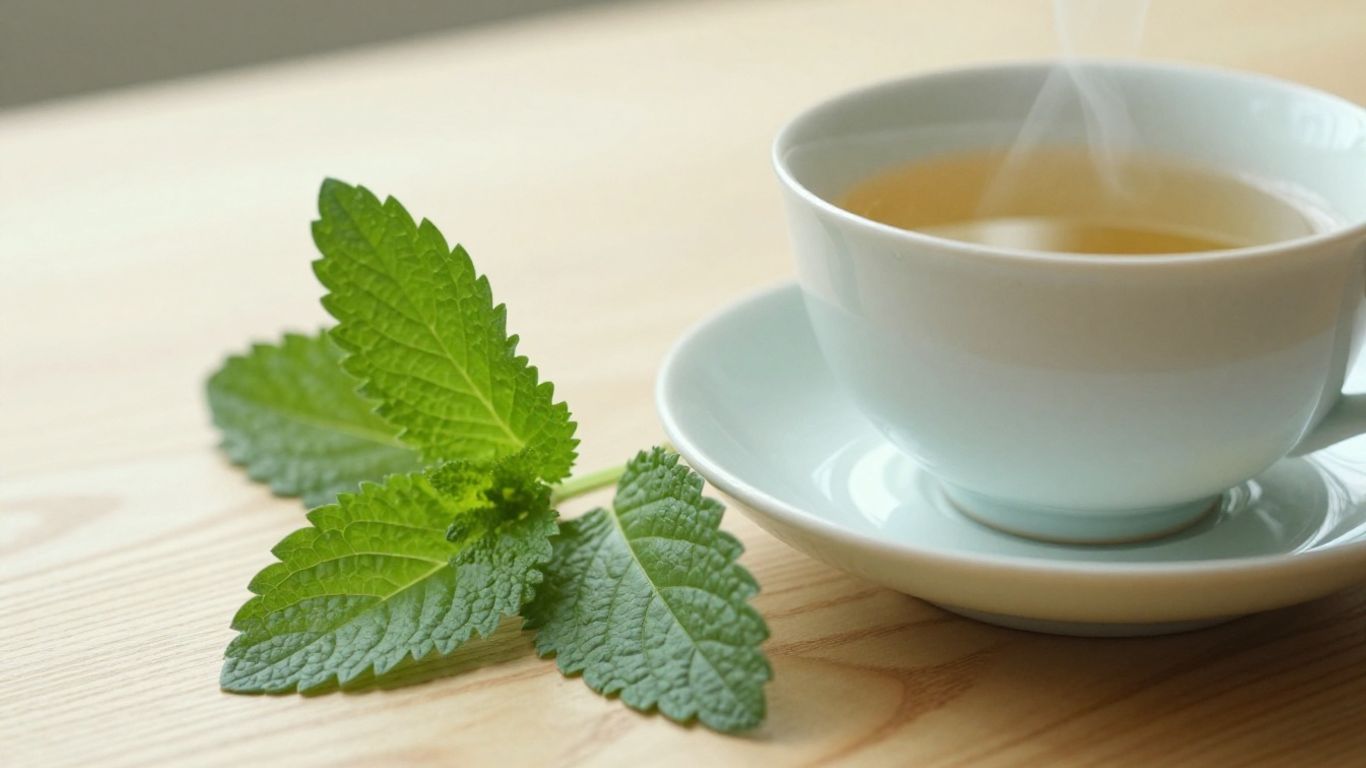
Common forms of lemon balm
The leaves may be steeped as tea, dried and placed in capsules, or processed into tinctures and concentrated extracts. Some skin products contain lemon balm preparations, while essential oil is generally intended for diluted topical use or aromatherapy rather than swallowing. These forms can differ considerably in strength, ingredients, and how quickly they affect you.
How lemon balm may influence the nervous system
Lemon balm is traditionally associated with calm and relaxation. For some people, that may feel pleasant; for others, it may show up as sleepiness, slower reactions, or reduced alertness. If you are exploring non-drug approaches to stress, a nervous system regulation guide may offer additional techniques that do not involve adding another supplement.
Why side effects can vary by person
Your response may depend on the amount, the product’s concentration, your age, your health history, and what else you take. A person who tolerates a weak cup of tea might respond differently to a high-strength extract. Food, sleep, hydration, and individual sensitivity can also change how noticeable an effect feels.
Tea, supplements, extracts, and topical products
Tea usually provides a less concentrated preparation, though strength varies with the amount of herb and steeping time. Capsules, tinctures, and extracts may deliver more active compounds in a smaller serving. Topical products create a separate concern: redness, itching, or burning can result from the herb, fragrance, preservatives, or an undiluted essential oil. For broader context on product forms and precautions, see this lemon balm safety overview.
Common side effects of lemon balm
Most reported problems are mild, but they can still interfere with work, driving, sleep quality, or daily comfort. Side effects of lemon balm are more likely to be noticed when someone starts with a concentrated product or combines several calming substances. Pay attention to timing: symptoms that begin soon after a new product deserve a closer look.
Drowsiness and fatigue
Sleepiness is one of the most relevant concerns, especially when lemon balm is used at night or alongside another calming substance. Fatigue may be subtle at first, such as feeling slower than usual or having trouble focusing. Do not assume that a product is harmless simply because it is sold without a prescription.
Nausea, stomach upset, and abdominal discomfort
Some people may experience nausea, queasiness, bloating, or abdominal discomfort. Taking a supplement on an empty stomach can make unpleasant sensations more noticeable, although eating does not guarantee that symptoms will disappear. If stomach symptoms repeatedly follow each serving, pause the product rather than continually increasing the amount.
Headaches, dizziness, and confusion
Headache or lightheadedness can occur, and pronounced sleepiness may make thinking feel cloudy. Confusion is not something to ignore, particularly in an older adult or someone taking several medicines. A symptom diary can help distinguish a one-time event from a consistent pattern.
Skin irritation from topical use
Creams, balms, and oils may irritate sensitive skin, especially when essential oil is used without suitable dilution. Begin with a small patch away from the eyes and stop if burning, swelling, or an itchy rash develops. The same cautious approach applies when comparing topical natural products, including 250 ppm colloidal silver liquid, which has its own use and safety considerations.
What mild symptoms may mean
A mild symptom may reflect sensitivity, an overly strong serving, an added ingredient, or a combination with something else. Review the full label instead of focusing only on the lemon balm name. For example, a lemon balm tea guide can help put traditional tea use in context, while a clinical discussion of lemon balm tolerability offers a more research-oriented perspective.
Serious reactions that require medical attention
Serious reactions are uncommon, but recognizing them matters more than trying to identify the perfect cause at home. A rapidly worsening symptom, a severe change in alertness, or trouble breathing should be treated as a health problem rather than a routine supplement effect. Keep the product container available if you need to contact a clinician or emergency service.
Signs of an allergic reaction
Hives, facial or lip swelling, wheezing, throat tightness, and trouble breathing may signal an allergic reaction. A widespread rash or rapidly increasing swelling also deserves prompt attention. Do not take another serving to test whether the reaction repeats.
Severe dizziness, fainting, or unusual weakness
Severe dizziness, fainting, marked weakness, or difficulty staying awake can have many causes, including interactions or an unrelated medical problem. Sit or lie down somewhere safe and seek medical advice, especially if symptoms do not quickly settle. Someone who has fainted or cannot be fully awakened needs urgent evaluation.
Symptoms that may indicate a serious interaction
Concerning symptoms can include extreme sedation, slowed or difficult breathing, severe confusion, repeated vomiting, or a sudden loss of coordination. These are particularly concerning after combining lemon balm with alcohol, sleep aids, anxiety medicines, or other sedating products. Do not drive yourself for care if your alertness or coordination is impaired.
When to stop using lemon balm
Stop the product when symptoms are clearly linked to starting it, become more intense, or return after each serving. A healthcare professional can help decide whether the reaction is likely related to lemon balm or to another ingredient. Save the label, lot information, and a list of everything else you used that day.
When to seek urgent care
Call emergency services for trouble breathing, throat or tongue swelling, fainting, seizures, severe chest symptoms, or someone who cannot be awakened normally. For less dramatic but persistent symptoms, contact a clinician or pharmacist promptly. Waiting for a reaction to become unmistakable can make treatment harder.
Lemon balm interactions with medicines and supplements
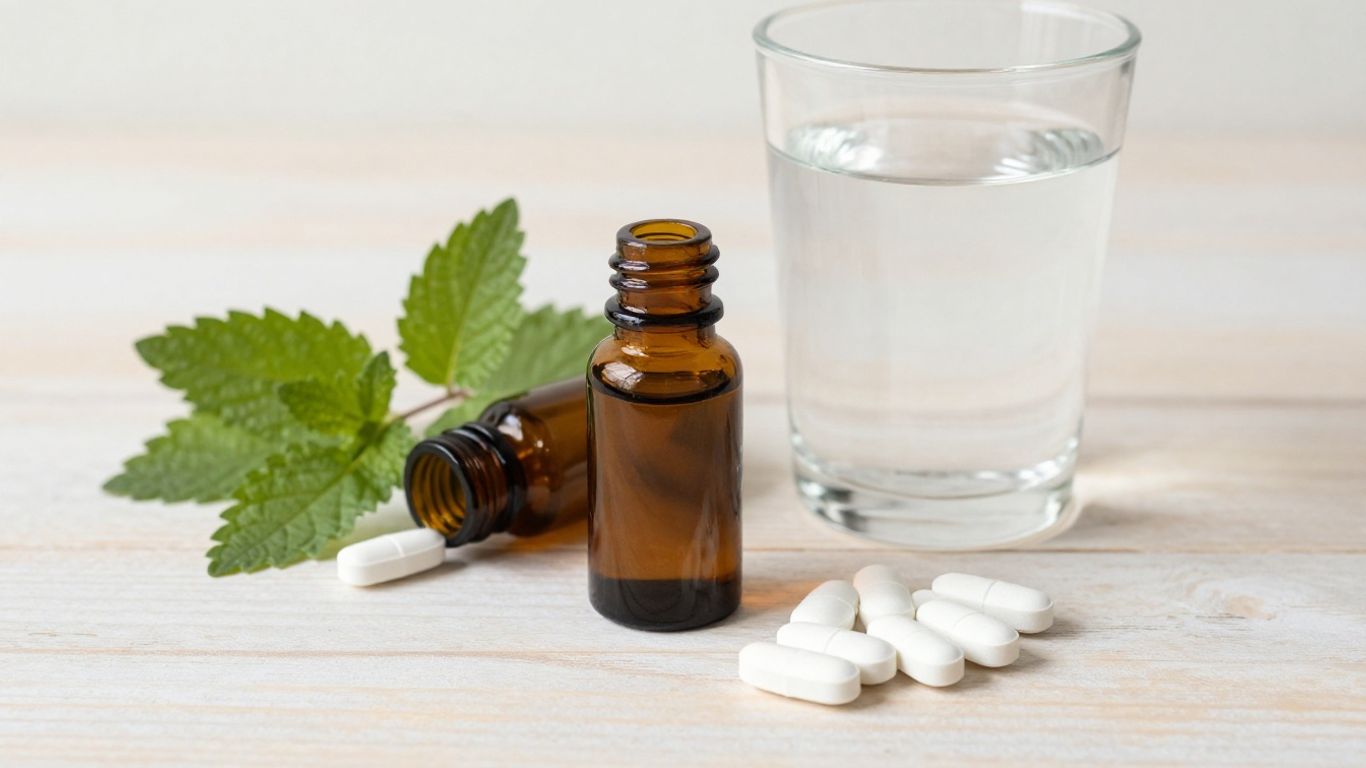
Lemon balm can overlap with other substances that influence alertness or sleep. It may also raise questions for people managing thyroid conditions or preparing for a procedure. A medication review is especially useful when a supplement is taken regularly, because interaction risk depends on the complete combination rather than on lemon balm alone.
Sedatives, sleep aids, and anxiety medications
Combining lemon balm with sedatives, sleep aids, or medicines used for anxiety may increase drowsiness and impair coordination. The risk is not limited to prescription products; some over-the-counter sleep formulas also contain calming ingredients. Ask a pharmacist before combining them, even if each item seems mild by itself.
Thyroid medications and thyroid conditions
People with thyroid disorders or those taking thyroid medication should discuss regular lemon balm use with a healthcare professional. The concern is not that every person will have a problem, but that an herb can complicate an already managed condition or make symptoms harder to interpret. Do not adjust prescribed thyroid treatment on your own.
Alcohol and other substances that cause drowsiness
Alcohol can add to sleepiness and poor coordination. Cannabis and other substances that affect alertness may create similar concerns, making it harder to judge how lemon balm is affecting you. Avoid experimenting with combinations when you need to drive, work at height, or make important decisions.
Supplements with similar calming effects
Several supplements may be marketed for relaxation or sleep, and stacking them can make the overall effect unpredictable. A useful review includes herbs, powders, gummies, teas, and occasional products—not just daily capsules. A separate liquid magnesium glycinate guide illustrates why serving size, ingredients, and third-party testing deserve attention when evaluating supplements.
Why medication reviews matter
A pharmacist can check for duplicated effects, timing problems, and ingredients hidden in blends. Bring photographs of labels or a written list rather than relying on memory. Even privacy-conscious readers should review how health websites handle personal data; Acuiti’s privacy policy is one example of the kind of information a site may explain about data collection and use.
Who should use extra caution with lemon balm
Some people can use lemon balm without difficulty, while others have reasons to ask first. Caution is sensible when the body is more sensitive to sedation, when a condition requires close monitoring, or when a procedure is approaching. The goal is not to make every herb seem dangerous; it is to match the product to the person.
People who are pregnant or breastfeeding
Pregnant or breastfeeding people should ask a qualified healthcare professional before using lemon balm, particularly in concentrated forms. Safety information may be limited, and products can contain other ingredients that change the calculation. A clinician can help weigh the reason for use against available alternatives.
Children and older adults
Children may be more sensitive to serving errors, and older adults may be more vulnerable to dizziness, falls, confusion, or interactions. Keep products secured and avoid estimating a child’s amount from an adult label. For an older person taking several medicines, professional review is a particularly sensible step.
People with thyroid disorders
Those with thyroid disease should take extra care, especially if symptoms or laboratory results are being monitored. Introduce no regular supplement without telling the clinician managing the condition. Changes in sleep, energy, heart rate, or mood should not automatically be blamed on lemon balm.
Individuals preparing for surgery
Tell the surgeon and anesthesia team about lemon balm and every other supplement you use. Because products may affect alertness or interact with medicines used around a procedure, the team may recommend stopping it beforehand. Follow their timing instructions rather than relying on a general internet rule.
People with allergies to mint-family plants
Lemon balm belongs to the mint family, so anyone with a history of reactions to related plants or botanical products should read labels carefully. Topical exposure can cause a different type of reaction than ingestion, but either deserves attention. Patch testing can reduce surprises, though it cannot guarantee that a larger exposure will be tolerated.
How dosage and product quality affect side effects
A serving on a label is not automatically a personally appropriate amount. Products may differ in plant material, extraction method, added ingredients, and quality controls. Comparing labels carefully is often more useful than choosing the product with the most impressive claims.
Differences between traditional tea and concentrated extracts
A cup of tea and a concentrated extract are not interchangeable. Tea strength changes with the amount of leaves, water volume, and steeping time, while an extract may be standardized or blended with other compounds. If you are new to lemon balm, starting with a simpler, less concentrated form makes it easier to notice your response.
Reading supplement labels and serving sizes
Look for the amount per serving, suggested frequency, other active ingredients, and warnings. Some products list a proprietary blend that makes individual amounts difficult to assess. A label review should also include directions for storage and whether the product is intended for ingestion, topical use, or aromatherapy.
Risks of combining multiple calming products
Layering a tea, capsule, sleep gummy, and alcohol can produce more sedation than expected. Before adding anything, list what you already use and identify overlapping goals such as sleep, relaxation, or stress. This simple inventory can prevent accidental doubling-up.
Choosing products with reliable testing
Independent testing can provide useful information about identity, contamination, and whether the contents match the label, although it is not a guarantee of personal safety. Be wary of products with vague amounts or sweeping promises. The same label-reading discipline applies to natural products marketed for skin concerns, including colloidal silver for acne, where topical use and safety instructions should be distinguished from ingestion claims.
Why more is not always better
Increasing the amount may increase side effects without improving the intended benefit. If a small serving causes dizziness or stomach upset, taking more is unlikely to solve the problem. A cautious approach favors the lowest amount that serves a clear purpose, or stopping when the purpose is not worth the discomfort.
How to use lemon balm more safely
Safer use begins before the first serving. Choose one product at a time, read its directions, and consider why you are taking it. The goal is a clear, measured trial rather than a pile of overlapping remedies.
Start with a low amount
Use the smallest label-directed amount that is reasonable for the product, and avoid taking extra because you do not feel an immediate effect. A low starting point makes unexpected drowsiness or stomach symptoms easier to recognize. Do not modify a child’s serving without professional guidance.
Monitor your response and timing
Write down when you take lemon balm, the form and amount, and any symptoms that follow. Notice whether effects occur during the day, at bedtime, after food, or after another supplement. This record can make a pharmacist’s advice much more specific.
Avoid driving if you feel drowsy
Do not drive, cycle in traffic, use machinery, or perform tasks requiring quick reactions until you know how the product affects you. Even mild sleepiness can reduce coordination before you recognize it. If drowsiness continues, stop using the product and seek advice.
Discuss regular use with a healthcare professional
A pharmacist or clinician can consider your health history, prescriptions, allergies, and planned procedures together. That is more reliable than judging safety from a single product review. When researching broader wellness choices, even something as unrelated as supporting local businesses should not distract from checking whether a health claim is relevant to your own situation.
What to do if side effects persist
Stop the product if symptoms continue, recur, or interfere with daily life, and seek professional guidance. Get urgent help for breathing problems, facial swelling, fainting, severe confusion, or extreme sleepiness. Keep the package nearby so the exact ingredients and serving information are available.
Conclusion
Lemon balm may be a reasonable choice for some people, but its form, amount, combinations, and your own health history all matter. Start conservatively, watch for changes in alertness or digestion, and treat severe or persistent symptoms seriously. A thoughtful review with a pharmacist or clinician can help you decide whether the herb belongs in your routine.
Frequently Asked Questions
What are the most common side effects of lemon balm?
Commonly discussed effects include drowsiness, fatigue, nausea, stomach discomfort, headache, dizziness, and occasional skin irritation with topical products.
Can lemon balm make you sleepy?
Yes, it may make some people feel sleepy or less alert. Avoid driving or operating machinery until you know how it affects you.
Is lemon balm safe with sleep aids?
Combining lemon balm with sleep aids may increase drowsiness and impair coordination. Ask a pharmacist or clinician before using them together.
Can lemon balm interact with thyroid medicine?
Potential concerns exist for people with thyroid disorders or those taking thyroid medicine. Discuss regular use with the healthcare professional managing your condition.
Should pregnant people use lemon balm?
Pregnant people should seek professional advice before using lemon balm, especially concentrated extracts or combination products, because safety information may be limited.
Can lemon balm cause an allergic reaction?
It can. Hives, swelling, wheezing, throat tightness, or trouble breathing require prompt attention, and severe symptoms require emergency care.
What should I do if lemon balm causes side effects?
Stop using it if symptoms are concerning or persistent, keep the product label available, and contact a pharmacist or clinician. Seek urgent care for breathing problems, fainting, severe confusion, or extreme sleepiness.
Related Posts
Colloidal silver liquid 250 ppm: Uses, safety, quality, and what to know before buying
How to use a colloidal silver generator safely and effectively
Understanding colloidal liquid silver: uses, safety, and evidence
Colloidal silver uses: a comprehensive guide on safety and application
ConcenTrace trace mineral drops reviews: Benefits, ingredients, safety, and whether they’re worth it
Chemical element silver: Properties, uses, history, and why it matters
Mineral vitamins explained: Benefits, types, food sources, and how to choose a supplement
How to add minerals to water safely: Methods, benefits, and practical tips
