
- You are here:
- Home »
- All Articles »
- ConcenTrace trace mineral drops reviews: Benefits, ingredients, safety, and whether they’re worth it
ConcenTrace trace mineral drops reviews: Benefits, ingredients, safety, and whether they’re worth it
Key Takeaways
Trace mineral drops can be a convenient way to add minerals to water, but they are not automatically necessary for everyone. The label, serving size, taste, personal diet, and health circumstances matter more than enthusiastic marketing.
- Trace mineral drops are concentrated supplements intended to be mixed into a beverage.
- ConcenTrace is described as a liquid, ionic, full-spectrum mineral product sourced from concentrated seawater.
- Reviews commonly reflect personal experiences with taste, convenience, hydration, and perceived energy—not guaranteed outcomes.
- Magnesium intake may cause a laxative effect for some people, especially at higher amounts.
- Comparing the label with personal nutrition needs is the most useful way to decide whether a bottle is worth trying.
What ConcenTrace trace mineral drops are
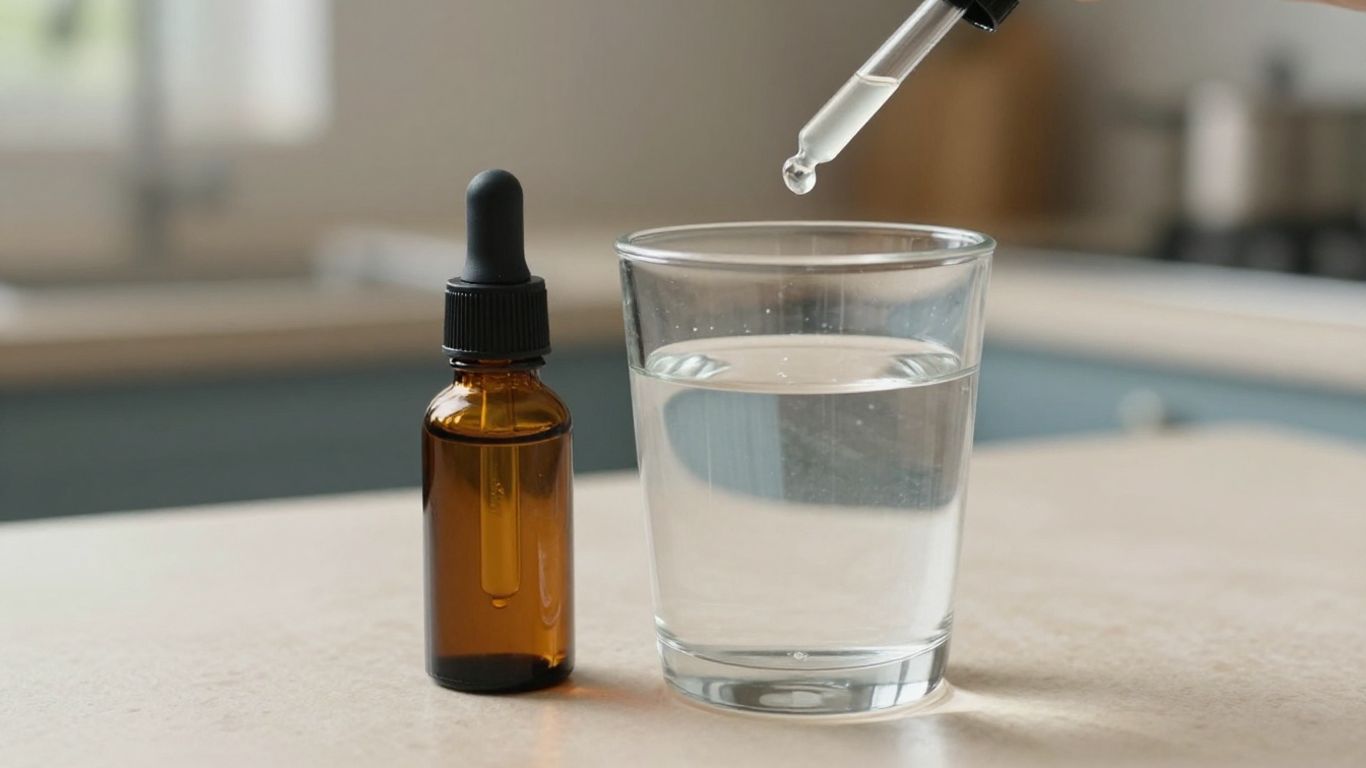
Trace mineral drops are liquid dietary supplements designed to add small amounts of minerals to a drink. They appeal to people who want something easier to mix than a tablet or powder, particularly when they are trying to remineralize purified water. The phrase “concentrace trace mineral drops reviews” usually leads to a mixture of product information and personal anecdotes, so it helps to separate what the label says from what individual users report. A useful general introduction is this guide to trace mineral drops, which explains their purpose, forms, and basic safety questions.
Source of the minerals and electrolyte content
The product is described as a concentrated seawater supplement, with minerals harvested from the waters of Utah’s Great Salt Lake. Its positioning centers on a full spectrum of naturally occurring ionic trace minerals rather than a single isolated nutrient. That description explains why the liquid is marketed as an electrolyte and mineral supplement, but it does not mean that every user needs the same mineral intake. The source and the actual amounts remain separate questions, and the nutrition panel is the place to check the latter.
The product is also described as low in sodium and as containing a broad mineral blend. “Full spectrum” is a label description, not a guarantee that it supplies every mineral in a nutritionally meaningful amount. People who want a deeper look at mineral forms and testing can also review this ionic mineral supplement guide before comparing products.
How the liquid concentrate is intended to be used
The directions describe mixing the drops into a beverage, such as water or another drink, generally with a meal. New users are advised to start with a smaller amount and gradually increase it, working toward as much as 40 drops, or one-half teaspoon, daily. That gradual approach is practical because concentrated mineral liquids can taste strong and because magnesium may affect digestion. The exact serving and progression should always come from the current product label rather than an old review.
A liquid format can be convenient for adjusting the amount, but convenience is not the same as superior absorption for every person. The product is presented as a liquid ionic mineral supplement; claims beyond that documented description should be treated cautiously. Mixing technique, beverage choice, and consistency may influence whether someone actually keeps using it.
Common reasons people consider trace mineral supplements
People often look at mineral drops after switching to heavily filtered or reverse-osmosis water, changing their diet, exercising frequently, or noticing that their usual food choices contain few mineral-rich ingredients. Others simply prefer a liquid they can add to a morning drink. A useful daily mineral drops guide discusses these practical reasons alongside label reading, flavor, concentration, and dosing.
The motivation matters because a supplement should solve a real problem rather than add another routine without a clear purpose. Someone with a varied diet may already obtain adequate minerals from food, while another person may have a narrower diet or a clinician-identified deficiency. General feelings such as tiredness or low energy can have many causes and should not be used alone to diagnose a mineral deficiency.
What the product does and does not claim to provide
The product information describes support for hydration, electrolyte restoration, energy, muscles, digestion, bones, joints, teeth, metabolism, and mood. Those are broad wellness claims, not promises that a particular symptom will improve. Nor do they establish that the drops treat a disease, correct every deficiency, or replace a balanced diet and professional care.
That distinction is especially useful when reading reviews. A person may say the product made them feel better, but the report cannot show whether minerals caused the change. Personal results are not a dosage guide, and a compelling story should not override the label or a healthcare professional’s advice.
ConcenTrace ingredients and nutrition facts
The ingredient panel gives a more grounded picture than general phrases such as “full spectrum” or “powerful minerals.” The available product information identifies concentrated seawater as the ingredient and lists a serving of about 40 drops, equal to one-half teaspoon or 2.5 milliliters. Mineral amounts and daily values should be read from the bottle purchased because labels can change. This guide to mineral supplements and labels is useful for checking forms, additives, testing language, and potential side effects.
The formula may look simple, but simple does not mean universally appropriate. Concentration, total servings, flavor, and the presence or absence of preservatives all affect the real-world experience. It is also worth remembering that a short ingredient list does not tell you whether the mineral profile suits your own diet.
Key minerals listed on the label
The label presents a range of minerals rather than a single mineral product. Magnesium is especially relevant because the directions and warnings identify a possible laxative effect from high intake. Other minerals may appear in the Supplement Facts panel with their own amounts and daily values, so the current bottle should be used for exact figures.
A broad mineral profile can be appealing when someone wants general supplementation, but it can be less useful when a person needs a precisely measured nutrient. If a blood test or clinician has identified a specific deficiency, a product with clearly defined amounts of that nutrient may be easier to evaluate than a broad blend.
Serving size and mineral amounts
The listed serving is one-half teaspoon, about 2.5 milliliters or 40 drops, with approximately 96 servings in an 8-fluid-ounce bottle. Suggested use begins below the full amount and increases gradually. This makes the number of drops important: a partial serving changes the mineral intake, while several daily servings could raise it considerably.
A table can make the label’s practical details easier to compare before purchase:
| Label detail | What the available information indicates | Why it matters |
|---|---|---|
| Serving size | 1/2 teaspoon, about 2.5 mL or 40 drops | Drop counting affects total intake |
| Container example | 8 fl oz bottle, about 96 servings | Helps estimate how long a bottle may last |
| Ingredient description | Concentrated seawater | Explains the broad mineral profile |
| Suggested approach | Start small and increase gradually | May improve tolerance and taste management |
The table is a starting point rather than a substitute for the bottle in hand. Exact mineral quantities, daily values, and any updated warnings belong to the current Supplement Facts panel, especially if the product is purchased from a different seller or in a different size.
Added ingredients, flavor, and preservatives
The available ingredient description lists concentrated seawater and describes the product as having no additives or preservatives. It is also described in retailer information as sugar-free, vegan, gluten-free, kosher, and BPA-free, though shoppers should verify those statements on the current packaging. A lack of flavoring may leave the naturally mineral taste more noticeable than in a sweetened powder.
Taste is not a minor issue. If the drops make water unpleasant, a person may drink less or stop using the product. Mixing into a larger beverage or taking it with food may make the routine easier, but the product directions and personal tolerance should guide that choice.
How the formula compares with other mineral drops
The most useful comparison is not a slogan about strength; it is the mineral-by-mineral panel. Look at serving size, magnesium and sodium amounts, total servings, added ingredients, testing information, and the cost of reaching the intended daily amount. Liquid products may offer flexible dosing, while tablets and powders may provide a more standardized portion or a different taste experience.
A product with more listed minerals is not automatically better. Someone who wants to remineralize purified water may value a broad profile, whereas someone watching sodium, magnesium, or total supplement intake may prefer a narrower formula. The right comparison depends on the gap a person is actually trying to address.
What customer reviews say about ConcenTrace
Customer reviews can help predict the everyday experience, particularly taste, bottle design, drop counting, and whether the routine feels convenient. They are much weaker evidence for proving that a supplement caused better energy, improved sleep, or a change in a health condition. Reviews also tend to attract people with unusually positive or negative experiences, while quiet, ordinary results go unreported.
For that reason, reading reviews works best alongside the label and a clear personal goal. A reader can learn whether the product is easy to use without treating an anecdote as clinical evidence. Reviews about trace mineral customer experiences can provide additional context, but they still represent individual accounts.
Reported benefits and positive experiences
Positive reviewers commonly describe a more convenient way to add minerals to water, along with perceived changes in hydration, energy, muscle comfort, digestion, or general well-being. Some people may appreciate being able to adjust the number of drops instead of swallowing a pill. Others may simply like having a low-sugar option for a daily beverage.
These reports are best read as descriptions of experience rather than proof of effect. Hydration can improve because someone drinks more water after creating a new routine, while energy can change because sleep, food, exercise, or stress changed at the same time. A review can suggest a question worth exploring, but it cannot answer that question on its own.
Complaints about taste, texture, or convenience
The most predictable criticism of concentrated mineral drops is an intense salty or mineral-like flavor. Some users also dislike counting drops, carrying a bottle, or remembering to mix the product with a drink. A strong taste may be manageable in a larger beverage, but that is a matter of preference rather than a guarantee.
Bottle size and serving frequency can affect convenience too. Someone who wants a grab-and-go supplement may find a tablet simpler, while someone who dislikes swallowing pills may prefer liquid drops. Reviews are particularly helpful here because these practical details are difficult to judge from a product description alone.
Feedback about results and how quickly they appear
Reviews vary widely on timing. Some people describe noticing a difference quickly, while others report no clear change after weeks of use. Neither pattern establishes a reliable timetable. Mineral status, diet, activity, hydration, sleep, health conditions, and expectations can all influence what a person notices.
A cautious reader can look for specific, measurable observations rather than vague praise. For example, a review that explains how the product was used, what changed, and over what period is more informative than a short claim that it “worked.” Even then, the result belongs to that reviewer and should not be presented as a general outcome.
How to assess the credibility of online reviews
A review becomes more useful when it gives enough detail to understand the circumstances. Before relying on one, consider these questions:
- Does the reviewer explain the amount used and how it was mixed?
- Is the claimed change specific enough to observe or compare?
- Does the review mention taste, side effects, or reasons the product was stopped?
- Could diet, exercise, sleep, or another supplement have changed at the same time?
- Is the reviewer making a disease-treatment claim that the product does not document?
This approach does not require dismissing every personal account. It simply keeps enthusiasm in proportion to the evidence. A cluster of comments may reveal common taste or convenience issues, but it still cannot replace controlled research or individualized medical advice.
Potential benefits and limitations
Mineral drops occupy a middle ground between food and a targeted supplement. They can be convenient for people who want a small amount of a broad mineral blend, yet they are not a complete hydration strategy or a substitute for meals. The potential value depends on what someone drinks, eats, loses through activity, and already receives from other supplements. A practical overview of mineral drops for water covers these selection and dosing questions in more detail.
The strongest case for trying drops is usually convenience: a person has a defined reason, understands the label, and can tolerate the flavor. The weakest case is buying them because a review promises a dramatic result without identifying a nutritional need. Keeping that distinction clear prevents a relatively simple supplement from becoming an expensive or confusing experiment.

Hydration and electrolyte support
Electrolytes help the body manage fluid balance and support normal nerve and muscle function, but adding minerals to water does not automatically make every drink more hydrating. A person who is mildly dehydrated may need fluids, food, rest, or medical attention depending on the situation. Drops can be one way to add minerals to a beverage, particularly for someone who prefers a liquid format.
The product is described as supporting hydration and restoring electrolytes, but that wording should not be extended into treatment for severe dehydration or illness. During prolonged vomiting, diarrhea, heat exposure, or intense exercise, the appropriate fluid and electrolyte plan may differ. Severe or persistent symptoms deserve professional care rather than self-treatment with a supplement.
Mineral intake for restricted or low-mineral diets
A restricted diet can make it harder to obtain certain nutrients, especially when several food groups are excluded. Mineral drops may appeal to people who want a broad addition without sugar or a large tablet. Still, the first step is to identify what the diet actually provides and whether a deficiency is suspected or confirmed.
Food remains valuable because it supplies protein, fiber, vitamins, and other compounds alongside minerals. Drops may fill a narrow gap, but they do not reproduce the nutritional range of a varied diet. People with ongoing dietary restrictions may benefit from reviewing their intake with a registered dietitian or healthcare professional.
Why results may vary between users
The same serving can feel different to two people because their baseline mineral intake and fluid needs are different. Differences in body size, activity, climate, diet, medications, digestive sensitivity, and expectations can all shape the experience. Even the timing of a drink and whether it is taken with food may affect comfort.
There is also a difference between correcting a genuine shortfall and adding more of a nutrient that is already adequate. Someone with an unrecognized deficiency may notice a change after addressing it, while someone without that gap may notice little. That is one reason reviews should be interpreted as personal context rather than a promise.
Situations where drops may offer limited value
Drops may offer limited value when a person already meets their mineral needs, dislikes the flavor, forgets to use them, or expects them to solve a condition unrelated to mineral intake. They may also be a poor fit for someone who needs a carefully measured single nutrient or who has been advised to restrict a mineral. Cost matters as well: a product used inconsistently may not justify its price.
The most sensible test is modest and specific. Decide what you are evaluating, follow the label, watch for unwanted effects, and reassess rather than increasing the amount simply because the initial result is subtle. If the goal is symptom treatment, seek a proper evaluation instead of relying on drops alone.
Safety, side effects, and interactions
“Natural” describes an origin or marketing position, not a universal safety guarantee. Minerals can be useful nutrients, but they can also interact with health conditions, medicines, and other supplements. The available directions specifically warn that a high magnesium intake may cause a laxative effect. Anyone with a complex medical history should treat the label as a starting point for questions, not as a personalized prescription.
Safety also depends on total intake from every source. A multivitamin, electrolyte powder, fortified food, and mineral drops can overlap. Keeping a simple list of supplements makes it easier to spot duplication before it becomes a problem.
Possible digestive or taste-related side effects
The most direct concern identified for this product is a laxative effect from high magnesium intake. Digestive discomfort may also make a concentrated mineral liquid difficult to tolerate, particularly when someone starts at the full serving. A smaller amount may be easier for some people, but reducing the amount does not make an unsuitable supplement appropriate for everyone.
Taste can create a practical side effect: a person may drink less water or abandon the routine. If nausea, persistent diarrhea, pain, or another concerning symptom occurs, stop and seek appropriate advice. Do not treat a side effect as evidence that the product is “working.”
Who should consult a healthcare professional first
People who are pregnant or breastfeeding, managing kidney or heart disease, following a medically restricted diet, or taking prescription medicines should ask a healthcare professional before starting mineral supplements. Children and older adults may also need individualized guidance because safe amounts vary with age and health status. Anyone with suspected deficiency symptoms should seek an evaluation rather than self-diagnosing.
Professional input is particularly useful when the supplement is being considered for a specific symptom. Fatigue, cramps, digestive changes, or sleep problems can have many causes, and adding minerals may obscure the underlying issue if it delays appropriate care.
Medication and health-condition considerations
Minerals may affect how some medicines are absorbed or tolerated, and kidney function can influence how the body handles certain electrolytes. The exact concern depends on the mineral, amount, timing, and medication. A pharmacist can often provide a practical interaction check when a full appointment is not immediately available.
Bring the bottle or a clear photograph of its Supplement Facts panel to that conversation. Include other supplements and fortified drinks, not just prescriptions. This safe mineral use guide also emphasizes checking serving directions, added ingredients, and health conditions before adding minerals to water.
How to avoid exceeding recommended amounts
Start only as the label directs, and do not assume that more drops will produce faster benefits. Count the amount used, account for minerals in other products, and avoid taking multiple servings unless a qualified professional has advised it. If the label changes, review the updated serving size rather than relying on memory.
A basic safety routine can be straightforward:
- Read the current Supplement Facts panel before each new bottle.
- Begin with the labeled lower amount if the directions recommend gradual use.
- Track other mineral-containing supplements and fortified beverages.
- Reduce or stop use if digestive symptoms develop, and seek advice if they persist.
These steps cannot eliminate every risk, but they make accidental overuse less likely. They also create a clearer record if a healthcare professional needs to evaluate a symptom or interaction.
How to decide whether ConcenTrace is worth trying
Whether a mineral drop is worth trying comes down to fit, not hype. Consider the reason for using it, the amount supplied per serving, the taste, the price, and whether the routine is realistic. The product is described as a liquid, full-spectrum ionic mineral supplement, so it may appeal to someone who specifically wants that format and broad profile. It may be less compelling for someone who needs a single, precisely measured nutrient.
Before buying, compare the label with your diet and existing supplements. The related mineral pills guide explains why form, dosage, purity, and interactions all matter when comparing liquid products with pills. A careful decision can be simple even when the marketing is not.
Comparing cost per serving with alternatives
Calculate the price per labeled serving rather than comparing bottle prices alone. An 8-fluid-ounce bottle described as providing about 96 servings may last longer than a smaller bottle, but the real value depends on how many drops you use and whether you reach the suggested amount. Shipping, subscriptions, and unused product should be included in the calculation.
Then compare the cost with other formats without assuming that one category is inherently superior. Powders may include additional ingredients, tablets may offer fixed portions, and food sources may provide a wider range of nutrients. The cheapest option is not useful if it is unpleasant or difficult to take consistently.
Some online shopping advice has nothing to do with supplements, but the same habit of checking materials, product details, and customer feedback applies broadly. For example, bridal earrings buying tips illustrate how careful shoppers compare specifications instead of relying on a headline price. With minerals, the specifications are the serving size, nutrient amounts, and total cost.
Checking the label against personal nutrition needs
Start by asking what gap you are trying to address. Review your usual foods, water source, other supplements, and any professional recommendations. Then check whether the mineral amounts on the label match that goal without creating unnecessary overlap.
If your water is purified, you may be interested in remineralization; if your diet is restricted, you may need a more targeted assessment. This mineral vitamins and food sources overview is a useful reminder that food variety and supplement choice should be considered together. A broad product is not automatically the best answer to a narrow need.
Choosing between drops, tablets, powders, and food sources
Format affects adherence, taste, portability, and dosing precision. Drops allow flexible amounts and can be mixed into a drink, while tablets are compact and powders may be easier to flavor. Food sources generally bring additional nutrients and calories that supplements do not.
The best choice is the one that fits the person and the purpose. Someone who dislikes pills may use drops more consistently; someone who needs a precise single mineral may prefer another format. The decision should also account for allergies, additives, digestive tolerance, and professional advice.
Practical tips for using and evaluating the product
If you decide to try it, set a defined evaluation period and change as few other habits as possible. Follow the label, record the amount, note taste and digestion, and track the specific outcome you hoped to assess. Avoid increasing the serving just because a quick change is not obvious.
A small routine may be enough: mix the measured amount into a familiar drink, keep the bottle with a reminder item, and review the results after several weeks. If the product is not helping, tastes unpleasant, costs too much, or creates symptoms, stopping is a reasonable conclusion. Other home-maintenance and service guides, such as gutter installation services, often stress matching a solution to the actual problem; mineral supplements deserve the same practical discipline.
For broader decision-making, remember that context matters even outside health products. Comparing local conditions, maintenance needs, and total costs is central to seamless gutter installation guidance, just as comparing diet, serving size, and total intake is central here. And when a question involves a home inspection or personal health, a qualified professional is more useful than a confident online comment; that is the same reason readers should treat DFW termite inspection information as a service-specific resource, not as evidence about supplements.
Conclusion
Trace mineral drops may be worthwhile when a person has a clear reason to use them, understands the label, tolerates the taste, and can fit the cost into a consistent routine. Reviews can reveal practical strengths and frustrations, but they cannot promise a particular health result. Start with personal nutrition needs, compare total mineral intake, and ask a healthcare professional when health conditions, medicines, pregnancy, or persistent symptoms are part of the picture.
Frequently Asked Questions
What are trace mineral drops?
They are concentrated liquid supplements intended to be mixed into water or another beverage to provide minerals in a measured serving.
Do trace mineral drops improve hydration?
They may add electrolytes to a drink, but hydration depends on overall fluid intake, health status, activity, climate, and the cause of fluid loss. They are not a treatment for severe dehydration.
Are mineral drops necessary for everyone?
No. People who already obtain adequate minerals from food and other products may have little reason to add another supplement.
Can mineral drops cause digestive problems?
They can. Magnesium-containing products may cause loose stools or a laxative effect at higher intakes, and concentrated liquids may be difficult to tolerate for some people.
How should someone compare mineral supplements?
Compare serving size, mineral amounts, added ingredients, testing information, taste, total servings, and cost per serving. Also consider whether the format fits the person’s routine.
Should people with health conditions ask a professional first?
Yes. People with kidney or heart conditions, restricted diets, pregnancy, breastfeeding, or prescription medicines should seek individualized guidance before adding mineral supplements.
Are online supplement reviews reliable?
They can be useful for learning about taste and convenience, but personal reviews do not establish that a product caused a health outcome or will work the same way for everyone.
Related Posts
Mineral vitamins explained: Benefits, types, food sources, and how to choose a supplement
How to add minerals to water safely: Methods, benefits, and practical tips
A complete guide to trace minerals for optimal health
The ultimate guide to Trace Power Pak electrolytes: Benefits, usage, and ingredients
The complete guide to daily mineral drops for optimal health
The essential guide to trace minerals multivitamin supplementation
A comprehensive guide to using Trace Minerals Power Pak for daily hydration
A comprehensive guide to trace minerals liquid magnesium glycinate
