
- You are here:
- Home »
- All Articles »
- The best voltage for making colloidal silver: A guide to particle size and production safety
The best voltage for making colloidal silver: A guide to particle size and production safety
Key Takeaways
Creating colloidal silver at home requires understanding how electrical energy interacts with silver electrodes to ensure a safe, high-quality output. Proper voltage management is the most critical factor for achieving consistent results and avoiding unwanted side effects.
- Low voltage is generally preferred to maintain small nanoparticle size and prevent sediment buildup.
- Pure 99.99% silver electrodes are essential for avoiding heavy metal contamination in the final solution.
- Regulated current, rather than raw high voltage, provides the most stability during the electrolysis process.
- Monitoring current flow and electrode conditions helps ensure the solution stays clear and effective.
- Always prioritize safety by using proper protective gear and dedicated power controllers.
The physics of voltage in silver electrolysis
Understanding the role of electrical potential
Electrical potential acts as the driving force behind the movement of ions from your electrodes into the distilled water. By establishing an electric field, we encourage silver atoms to lose electrons and become positive ions, effectively suspending them in the liquid. When exploring the science behind colloidal silver production, you find that balancing this potential is vital.
The electrochemical reaction explained
Oxidation occurs at the anode, where silver atoms are stripped of electrons. These ions then migrate toward the cathode, though some remain in suspension to form our final product. This process is inherently delicate, as the speed of ion emission directly impacts the final particle concentration.
Conductivity of distilled water
The purity of your water is the silent partner in this reaction. Pure distilled water has high electrical resistance, which forces the generator to work harder to complete the circuit. If your water is not sufficiently pure, you risk introducing contaminants that interfere with the electrolysis and cloud your final solution.
Low voltage versus high voltage methods
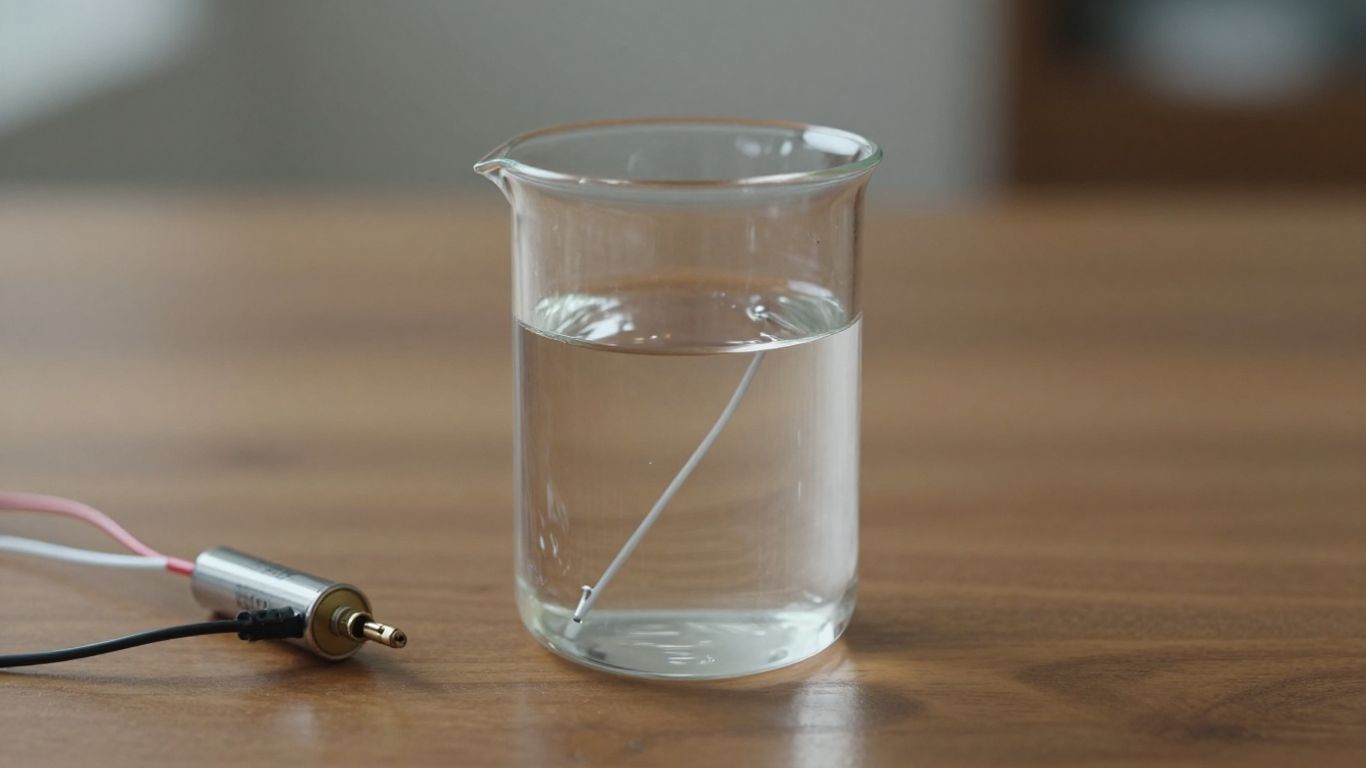
9-volt battery setups for hobbyists
Many newcomers start by connecting basic batteries in a series to achieve a moderate potential. It is an accessible path for those learning the basics of home production, but it lacks the fine-tuned control needed for long-term consistency. For those who want to learn how to safely and effectively use a colloidal silver generator, starting simple is a common rite of passage.
High-voltage hazards and specialized equipment
Moving to higher voltages often introduces significant risks, including the danger of thermal runaway or rapid, uncontrolled ion release. High voltage can force the reaction to proceed far too quickly, leading to poor-quality silver particles that clump together rather than remaining suspended.
Comparing production time and efficiency
You might think higher power equates to faster production, but the trade-off is often a lower quality suspension. The table below outlines how common power setups compare in typical DIY environments:
| Power Source | Stability | Typical Result |
|---|---|---|
| 9V Batteries | Low | Unstable/Sediment |
| Regulated DC | High | Consistent/Clear |
| AC Wall Converters | Severe Risk | Unsafe/Contaminated |
Selecting the right equipment is necessary to balance the time you spend waiting with the quality of the final silver solution. When managed correctly, you avoid the waste of repeated failed batches.
Impacts of voltage on nanoparticle size and quality
How voltage dictates silver ion release rates
The electrical energy applied directly influences the velocity of ion release from the silver surface. A measured approach ensures that particles remain small, which is critical for their biological activity and stability in the distilled water base.
Avoiding the production of large silver flakes
Excessive voltage can cause large, metal-like flakes to fall off the anode. These are not true nanoparticles and generally indicate an unstable process that lacks the finesse required for a high-quality, clear solution.
Achieving a clear versus yellow solution
While some believe a yellow tint indicates potency, a truly stable and small-particle solution remains clear. The following steps assist in maintaining that clarity:
- Use only high-grade distilled water without additives.
- Maintain a slow, steady current to encourage minimal particle growth.
- Observe the anode frequently to ensure no dark particulate is forming.
- Store the finished solution in an opaque container, away from direct sunlight.
Clear solutions are generally more stable over time, whereas yellowing often suggests the particles have grown too large and are beginning to settle, which is exactly why using the best voltage for making colloidal silver becomes so important for your wellness routine.
Equipment and safety considerations
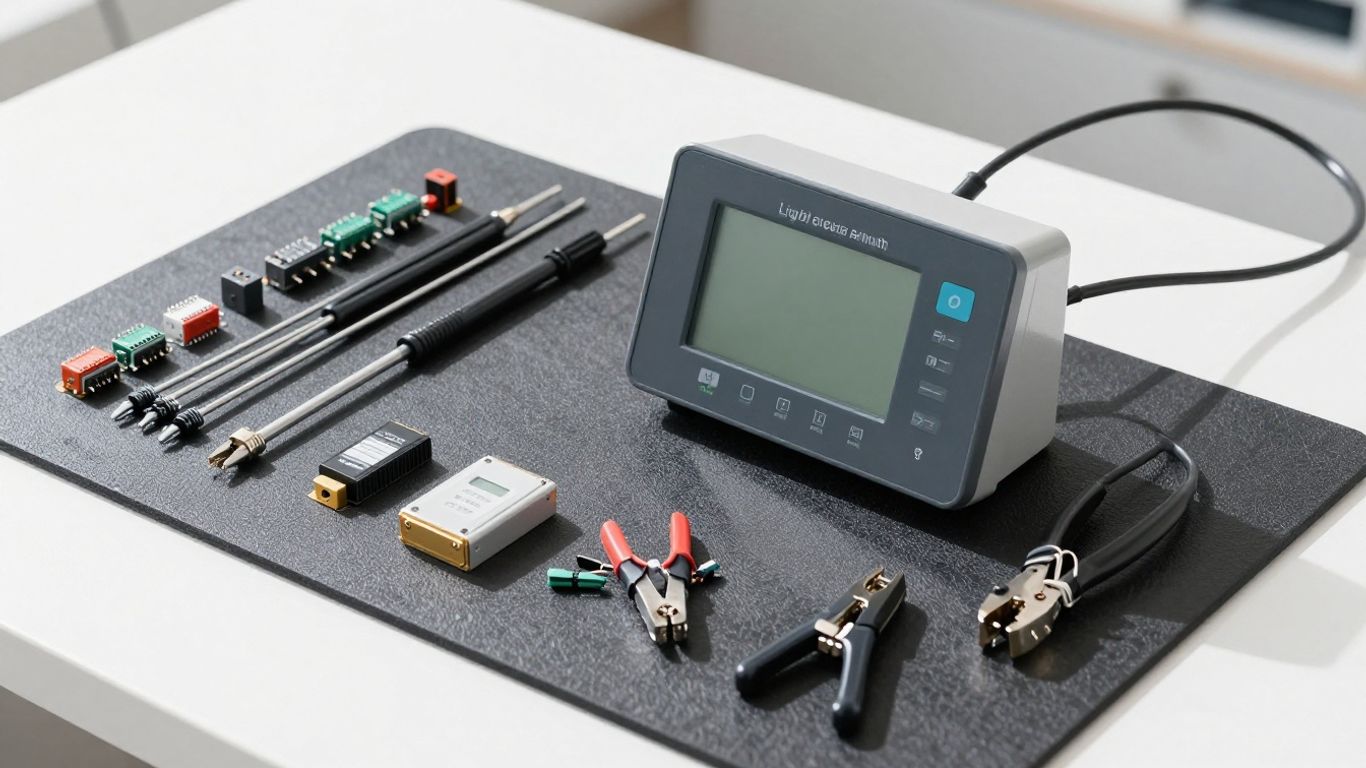
Using dedicated power supplies and controllers
Rather than relying on improvised batteries, dedicated controllers allow you to manage the current precisely. Using 24V DC transformers ensures that your circuit remains under control, preventing the surges that ruin delicate batch preparations.
Importance of using pure silver electrodes
Anything less than 99.99% pure silver will contaminate your water with other metals that were present in the wire alloy. If you are preparing your space, you should also have Robben® Nitril Premium Handschuhe on hand, as these unsterile gloves offer reliable protection when handling electrodes or cleaning sensitive equipment.
Preventing electrical short circuits
Short circuits not only kill your batch but can also damage your power supply or cause overheated wires. Always ensure your electrodes are held securely apart by at least one inch; never let them touch during the electrolysis process.
Troubleshooting common production issues
Addressing excessive sediment buildup
If you see dark sediment forming on the bottom of your beaker, the current is too high or your water isn’t pure enough. Sediment is a sign that the silver ions are clumping into large, undesirable clusters rather than staying in a true colloidal state.
Monitoring current flow during the process
Keep a close eye on your amperage if your rig allows for manual measurement. A steady, low current flow is the gold standard for producing a clean, effective solution without the need for constant supervision.
Ensuring proper cleaning of silver surfaces
Before every batch, wipe your electrodes clean to remove any oxidized layer. A fresh, clean silver surface facilitates an even, consistent ion release that doesn’t fluctuate as the process begins.
Constant current versus constant voltage generators
Benefits of regulated current circuits
Constant current generators maintain a steady flow of charged particles regardless of the water’s resistance. This setup is superior because it automatically adjusts to microscopic changes in the solution, preventing the spikes that lead to unwanted sediment.
Why constant voltage can lead to thermal runaway
Constant voltage systems can become dangerous because as the water becomes more conductive, the current increases without a ceiling. This thermal runaway causes the mixture to heat rapidly, leading to erratic particle production that ruins the batch consistency.
Integrating a LM317 regulator for consistency
Building a circuit with a LM317 regulated constant current source is a reliable way to manage your process from start to finish. It provides a simple, effective method to keep the current strictly within your desired range, minimizing the risk of failure while giving you the peace of mind that comes with using precision-engineered parts.
Conclusion
Mastering the electrolytic process is a journey of small adjustments and careful observation, ultimately allowing you to create high-quality silver solutions that fit your personal health goals. By prioritizing regulated current and high-purity materials, you move away from risky, improvised methods toward a consistent and stable practice. Always remember that your goal is a clear, small-particle suspension, and patience remains the most effective tool in your kit for achieving long-term success with your home setup.
Frequently Asked Questions
Why is the solution turning yellow during production?
A yellow hue usually indicates that the silver particles have grown too large, causing them to scatter light. This typically happens when the voltage is too high or the production time is extended beyond the point of stability.
How far apart should the silver electrodes be placed?
Electrodes should maintain a distance of at least one inch. This prevents accidental short-circuiting and helps ensure that the electric field is distributed evenly through the water, leading to more uniform ion production.
Can I use tap water instead of distilled water?
Tap water is not recommended for this process because it contains minerals like chlorine and fluorine. These impurities interfere with the electrolysis, potentially creating unwanted silver compounds that are not suitable for your intended applications.
How long should a single batch take to process?
The timing depends on your target concentration, but most home setups take anywhere from one to four hours. Rushing the process with high voltage is counterproductive and usually results in an inferior, sediment-heavy batch.
How should I store the final solution once it is finished?
Always use amber glass containers to protect the silver particles from light damage. Store the bottle in a cool, dark cabinet and avoid using plastic bottles, as they can interfere with the long-term stability of the silver suspension.
What does the ppm value actually represent?
Ppm stands for parts per million and refers to the concentration of silver within the water. While it is a standard measurement, remember that the size and stability of the particles are just as important to the final quality as the specific ppm number.
Is it normal for white foam to form on the electrodes?
A small amount of light residue on the electrodes is common toward the end of a cycle. However, if you see heavy gunk or excessive debris, it is often a sign that your electrodes are dirty or your current has been set significantly too high.
Related Posts
ConcenTrace trace mineral drops reviews: Benefits, ingredients, safety, and whether they’re worth it
Chemical element silver: Properties, uses, history, and why it matters
Colloidal silver liquid 250 ppm: Uses, safety, quality, and what to know before buying
Electrolyte supplements keto: How to choose the right formula, dosage, and timing
A complete guide to trace minerals for optimal health
A guide to International Silver Company: history, identification, and value
Who found silver? A history of the world’s most versatile metal
Understanding the chemical symbol for silver and its historical roots
