
- You are here:
- Home »
- All Articles »
- Unlock Your Body’s Potential: The Ultimate Guide to Bentonite Clay for Detox Baths
Unlock Your Body’s Potential: The Ultimate Guide to Bentonite Clay for Detox Baths
Ever had one of those days where you just feel weighed down, like your body needs a reset? That’s how I stumbled into the world of bentonite clay for detox baths. I kept seeing people rave about it online, so I figured, why not? Bentonite clay is known for its ability to help draw out impurities and leave you feeling refreshed. Whether you’re looking to support your skin, relax after a long day, or just try something new, this guide will walk you through everything you need to know about using bentonite clay for detox baths—without getting too fancy or complicated.
Key Takeaways
- Bentonite clay for detox bath is popular for its ability to help pull out toxins and impurities from the skin.
- Mixing clay with baking soda, salts, and essential oils can make your bath more soothing and effective.
- Avoid using metal tools when handling bentonite clay, as it can affect how the clay works.
- Always hydrate well before and after your bath to support your body’s natural detox process.
- Listen to your body—if you feel dizzy or uncomfortable, end the bath and rinse off immediately.
Why Choose Bentonite Clay for Detox Baths
Choosing what you put in your bath matters, especially if you’re hoping for more than just a soak. Bentonite clay stands out among detox bath options — not just as a trendy ingredient but as a real workhorse when it comes to supporting your body’s cleanup process.
How Bentonite Clay Works in Your Bath
Bentonite clay feels powdery and fine between your fingers, but the real magic happens in your tub. When mixed with water, it forms a paste with a strong negative charge. This charge acts like a magnet, attracting positively charged toxins, impurities, and heavy metals right out of your skin while you relax in the bath. It’s more than just making skin feel soft — it’s physically drawing out grime your regular soap never touches.
- Binds to environmental toxins and heavy metals
- Pulls out excess oils and dirt from skin
- Leaves you feeling refreshed and genuinely clean
There’s a reason so many people swear by adding bentonite clay to their self-care routines — it works hard while you simply sit back and soak.
What Sets Bentonite Clay Apart from Other Detox Ingredients
You might have seen all sorts of detox bath add-ins: Epsom salt, Dead Sea salt, baking soda, even apple cider vinegar. Bentonite clay is a different beast because of how actively it attracts and captures toxins. Unlike salts or oils that mainly soothe or add minerals, clay helps take things out rather than just put things in. Check out how it compares:
| Ingredient | Main Benefit | How It Works |
|---|---|---|
| Bentonite Clay | Draws out toxins, impurities | Magnetic adsorption |
| Epsom Salt | Relaxes muscles | Magnesium absorption |
| Baking Soda | Balances skin pH | Neutralizes acids |
If you want to tackle impurities and support clearer skin, bentonite clay is your top choice over ingredients that only comfort or scent your bath. It’s that drawing action that makes it essential for an actual detox bath, not just a hot soak.
Understanding the Science Behind Detoxification
The real trick is in the science: bentonite clay is full of minerals like calcium, magnesium, and iron, but its detox effect is tied to the way it grabs onto unwanted stuff. When clay meets water, its particles swell and spread, making a network that snatches toxins. On the skin, this isn’t just wishful thinking — the negative charge pulls out contaminants and binds them, ready to wash away when you rinse off.
- Moves surface-level grime and toxins
- Absorbs excess sebum and oils
- Supports skin’s natural barrier
Curious about the clay’s purifying power? You can check out more on the skin detoxifying benefits of bentonite clay and how it cleans deeper than many other cleansers. Detox baths aren’t magic fixes for major toxicity, but they’re a strong ally for routine self-care and giving your skin a cleaner slate.
Essential Benefits of Bentonite Clay for Detox Bath
Drawing Out Toxins and Heavy Metals
Bentonite clay is a powerful natural ingredient for attracting and binding toxins, including heavy metals, from your skin. Thanks to its unique negative charge, it acts like a magnet for positively charged particles such as impurities and pollutants. When you mix bentonite clay into your bath, it doesn’t just sit there; it interacts with your body, helping to remove substances that could be weighing you down. Many people use this clay to support their body’s natural cleansing process, aiming for that extra feeling of freshness that soap alone can’t give. For a quick look:
| Toxin/Impurity | Attracted by Bentonite Clay? |
|---|---|
| Heavy Metals | Yes |
| Bacteria | Yes |
| Environmental Pollutants | Yes |
| Dirt/Oil | Yes |
After a soaking session, it’s pretty common to feel lighter or more at ease — almost like your pores can finally breathe a little easier.
If you’re curious about how it all works, you’ll find bentonite clay’s detox powers explained in more detail in detoxifying benefits for the skin.
Supporting Skin Health and Appearance
There’s more going on than just detox. Bentonite clay can help balance oil production, soothe irritated skin, and support natural healing. When used regularly, many people notice:
- Smoother, softer skin
- Less redness or patchiness
- A refreshed look that just feels healthy
It isn’t magic, but it’s definitely one of those remedies that can make a visible difference. Some users even report that persistent blemishes seem to fade more quickly with routine clay baths. If you’ve ever felt like your skin needed a serious reset after a week of stress or city air, this could be worth a try.
Aiding Relaxation and Mood Balance
Honestly, some days you just need something that feels calming. Beyond its physical benefits, a bentonite clay detox bath is a chance to log off, put your phone away, and focus on self-care. The warmth of the water and the earthy, grounding feel of the clay combine for a soothing ritual that can help:
- Melt away everyday stress
- Quiet a racing mind
- Prep you for restful sleep
Adding a few drops of your favorite essential oil can make the bath even more calming — just be sure to test for sensitivities first. Giving your body this reset time each week can keep you balanced emotionally, not just physically.
Letting yourself unwind in the bath isn’t laziness; it’s giving your mind and body space to catch up. Regular clay baths can help you show up for the rest of your life with a little more energy and patience.
Best Ingredients to Use with Bentonite Clay
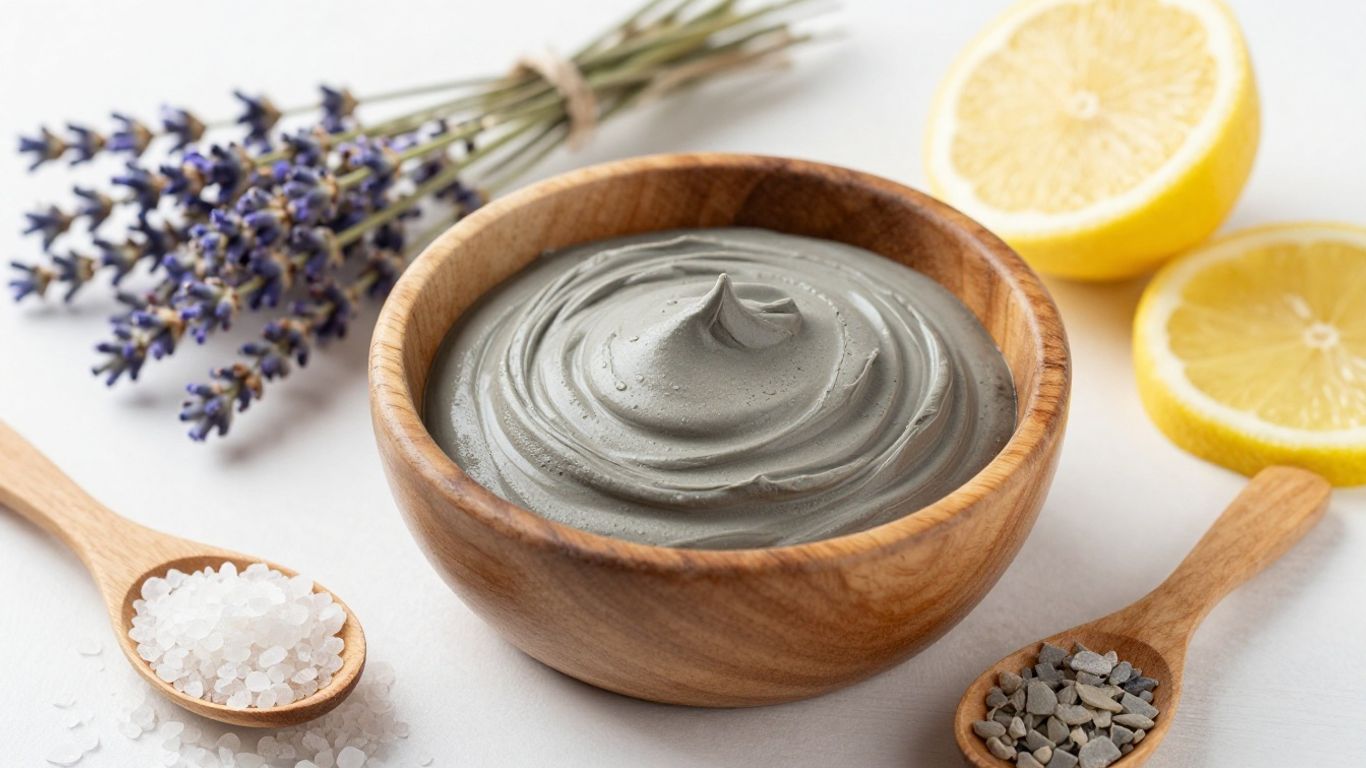
Making your detox bath even more effective means pairing bentonite clay with the right add-ins. Some combinations amplify the clay’s benefits without complicating your routine. Here’s how you can get the most out of your bath at home.
Enhancing Detox Power with Baking Soda and Salts
Adding baking soda and various mineral salts brings a bigger boost to your detox bath. Here’s why that’s worth trying:
-
- Baking soda can help soften the water and may soothe skin irritation.
- Epsom salt provides magnesium, which could ease muscle tension and support relaxation. If you want extra tips on supplementing magnesium, you might like liquid magnesium glycinate options.
- Dead Sea salt is packed with minerals like potassium and calcium, often used to help soften and remineralize skin.
A simple ingredient comparison:
| Ingredient | Main Benefit | Optional Dosage |
|---|---|---|
| Baking Soda | Skin soothing | 1/2 – 1 cup |
| Epsom Salt | Muscle relaxation | 1 – 2 cups |
| Dead Sea Salt | Mineral support | 1/2 – 1 cup |
Mixing these into your bath helps round out the clay’s natural effects. It’s also easy — just add the powders to the tub before getting in.
How Essential Oils Complement Detox Baths
Essential oils are a popular add-in, but a little goes a long way. Here’s what works and why:
- Lavender: Well known for its calming aroma, good for baths before bedtime.
- Eucalyptus: Can help open your airways and may add a fresh scent to your soak.
- Chamomile: Might support relaxation and ease minor skin discomfort.
To use: Always dilute essential oils in a carrier oil (like sweet almond oil or coconut oil) before adding to the tub. Never drop them straight into the water—they can irritate your skin if undiluted.
Try mixing a few drops of essential oil with one tablespoon of carrier oil for each bath.
Why Avoid Metal Utensils and Tools
This may surprise some—bentonite clay and metal don’t mix well. Here’s what to know:
- Bentonite clay is reactive and can pick up ions from metal utensils, possibly reducing its drawing power.
- The best way to mix bentonite clay is with glass, wooden, or plastic bowls and spoons.
- Store your bath mixes in non-metallic containers, too—less hassle, better results.
In short, swapping out metal for wooden or plastic in your bath routine keeps the clay effective, and it can save you money and effort down the line. These little details really do make a difference with bentonite clay baths.
Step-by-Step Guide to Creating the Perfect Bentonite Clay Detox Bath
Alright, let’s get down to business and make this detox bath happen. It’s not complicated, but a few little details can make a big difference in how you feel afterward. Think of it as a little ritual to help your body reset.
Preparing and Mixing Bentonite Clay Safely
First things first, you need to handle that bentonite clay right. Remember how it works like a magnet? Well, it can also react with metal. So, grab a non-metal bowl – glass, ceramic, or plastic will do just fine. Use a wooden spoon or a plastic whisk to mix your clay. Never use metal utensils or bowls when working with bentonite clay, as this can reduce its effectiveness and potentially introduce unwanted elements.
To get it ready for the bath, take about half a cup to a full cup of bentonite clay (depending on how intense you want the soak) and mix it with a cup or two of warm water. Stir it until you get a smooth, lump-free paste, kind of like a thick smoothie. This slurry is what you’ll add to your bathwater.
Recommended Recipes for Beginners and Regulars
If you’re new to this, start simple. A good basic recipe is:
- 1 cup Bentonite Clay (mixed into a slurry as described above)
- 1 cup Epsom salt
- 1 cup Baking soda
For those who are regulars or want a bit more oomph, you can try adding:
- 1 tablespoon of castor oil (mix this with the clay slurry or add directly to the bath)
- A few drops of your favorite essential oils, like lavender or eucalyptus, for added relaxation and aroma.
Some people also like to add a splash of apple cider vinegar, about half a cup, to the bathwater. Just remember to keep your mixing tools non-metallic!
Hydration and Post-Bath Skin Care Tips
Before you even think about getting in, drink a big glass of water. Seriously, stay hydrated throughout the whole process. You’ll likely sweat in the bath, and you want to replace those fluids. Keep a water bottle or glass nearby while you soak.
Once your 20-30 minutes are up (or however long feels right for you), slowly get out of the tub. You might feel a little lightheaded, so take your time. Rinse off with a quick shower, using lukewarm or cool water. This helps wash away any loosened impurities from your skin. After your shower, pat your skin dry gently and apply a good quality natural moisturizer. Your skin will be super receptive to it right after the bath, so it’s the perfect time to nourish it. Think of it as sealing in all the good stuff. You can find some great options for natural moisturizers that work well after a detox bath.
Maximizing Your Detox Bath Experience
A detox bath with bentonite clay is more than just a quick soak—it’s a full-on reset for your body and mind. Here’s how to get the most out of your bath and make it a calming ritual you’ll look forward to each week.
Optimal Bath Duration and Temperature
Finding the right time and temperature can shape your entire experience.
- Aim for a soak of 20 to 30 minutes. This is usually long enough for the clay to work on your skin but short enough to keep you from getting too tired or overheated.
- Keep the water just above body temperature (about 100–104°F/38–40°C). Too hot, and you might feel dizzy or dehydrated; too cool, and you miss out on the pore-opening benefits.
- If you’re new to detox baths, start at the lower end (15–20 minutes) and see how your body reacts.
| Bath Duration | Water Temperature | Expected Effects |
|---|---|---|
| 15 min | ~100°F | Gentle relaxation |
| 20–30 min | 100–104°F | Full-body cleanse |
| 40 min+ | >104°F | Increased fatigue |
Take it easy—let your first few baths be experiments in comfort rather than tests of endurance. Have water nearby and listen to your signals.
Listening to Your Body’s Signals
Everyone’s body is a bit unique when it comes to detoxing. Tune in to how you feel during and after your bath:
- Lightheadedness or nausea means it’s time to get out, take a rinse, and lie down.
- If your skin gets red or itchy, shorten your soak next time or try a gentler recipe.
- Energy can swing either way—some feel peppy, others tired. You might need a nap, or you could feel refreshed and ready for action.
Rituals for Emotional and Mental Wellness
Adding a few mindful habits to your bath can turn it into a reset for your mood, not just your body. Some favorites include:
- Lighting a candle or dimming the lights—this helps set a calm, safe mood.
- Playing soft music, a podcast, or even meditating in the tub.
- Writing a quick journal entry before or after, capturing how you feel and tracking your progress over time.
- Using aromatherapy: lavender or chamomile essential oil are popular for relaxing nerves and preparing for good sleep.
- Wrapping up afterward with a soft towel and some quiet time or gentle movement.
For more on how clay soaks can help with both physical and emotional recovery, especially after activity or a long day, check out these tips on clay bath recovery.
Just a bath? Not quite. Think of this ritual as weekly self-care—a small but powerful step in giving your body and mind a chance to recover, reset, and unwind. Let your detox bath be as much about the quiet moments as about cleansing your skin.
Safety and Contraindications of Bentonite Clay for Detox Bath
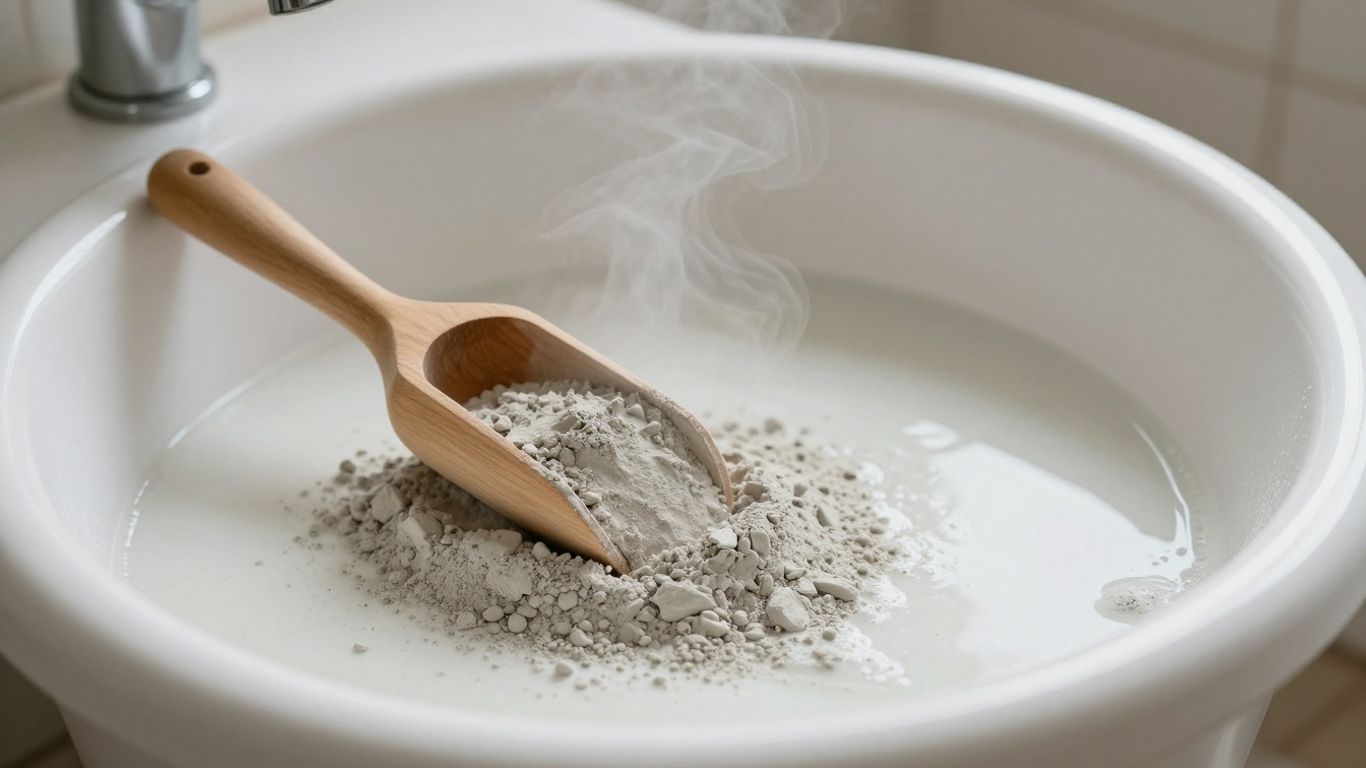
Before starting a bentonite clay detox bath routine, it’s smart to know the safety risks and who should steer clear. Bentonite clay can be powerful, but not everyone will react the same. It’s important to recognize if this type of detox bath is genuinely right for you.
Who Should Avoid Detox Baths
Some people are better off skipping bentonite clay baths or talking with their doctor first:
- Children and pregnant women (due to sensitivity and lack of safety data)
- Anyone with open wounds, rashes, or skin infections
- People with kidney disease or chronic health conditions
- Those with allergies to clay or mineral content
For more about avoiding detox baths for children and during pregnancy, see these specific safety concerns for certain groups.
Potential Side Effects and How to Prevent Them
You might notice a few side effects if you’re new to clay baths or have sensitive skin. Most issues are mild, but it’s good to know what can pop up—and how to stay comfortable.
- Skin dryness or tightness after soaking
- Temporary redness or mild irritation
- Feeling light-headed if the bath is too hot or too long
| Potential Side Effect | How to Prevent |
|---|---|
| Dryness | Apply moisturizer after bath |
| Redness/Irritation | Limit soaking time |
| Light-headedness | Stay hydrated during/after |
| Allergic Reaction | Do a patch test first |
If you ever begin to feel dizzy or uncomfortable while in the bath, get out immediately, drink water, and rest. It’s better to play it safe with detox routines.
Consulting with Healthcare Professionals
Don’t underestimate the power of checking in with your doctor. This step is extra important if you have underlying conditions, take medications that may impact your skin, or you’re new to detox baths. Bring up:
- Any chronic illnesses or allergies
- Products and home remedies you plan to use
- How often you want to do these baths
Your provider can help spot risks you might overlook and answer questions specific to your situation. When in doubt, ask before you soak.
Listening to your body, starting slow, and getting medical input will make sure your experience is positive and worry-free.
Exploring Variations: Clay Baths for Special Needs
Not every body is the same, so it makes sense that your clay bath routine might need a few tweaks. Whether you’re looking for something gentle, want to make bath time safe for little ones, or are searching for practical alternatives, there are easy ways to adapt bentonite clay detox baths to suit special situations.
Gentle Detox Baths for Sensitive Skin
Sensitive skin doesn’t always play nice with harsh cleansers or strong essential oils. You can absolutely enjoy the detox ritual by making a few small changes:
- Use less clay: Start with just 1/4 to 1/2 cup bentonite clay per bath.
- Try red or yellow clay: These are milder alternatives, known for being surface-level cleansers and anti-inflammatory, making them a great choice for easily irritated skin.
- Skip strong oils: Keep essential oils to a minimum or opt for very mild options like chamomile or sandalwood.
- Add oatmeal or a splash of milk: These can soothe and soften the skin during and after the soak.
If you ever notice redness or itching after a bath, rinse off and moisturize. Sensitive skin can still benefit from a clay soak, but it pays to go slow and simple.
Detox Baths for Kids and Families
Detox baths can double as a fun family ritual or a calming part of your child’s bedtime routine—just scale everything back:
Tips for Safe & Enjoyable Kids’ Baths:
- Use only about 1–2 tablespoons of clay in a half-filled tub.
- Avoid essential oils altogether, or just use a drop of lavender after an allergy test.
- Keep bath time short: 10–15 minutes is plenty for children.
Here’s a quick reference table for clay bath amounts:
| Age Group | Amount of Bentonite Clay | Suggested Bath Time |
|---|---|---|
| Infants/Toddlers | 1–2 teaspoons | 5–10 minutes |
| Kids (5–12) | 1–2 tablespoons | 10–15 minutes |
| Teens & Adults | 1/4–1 cup | 15–25 minutes |
Always supervise kids in the tub and be sure to rinse them well afterward.
Foot Soaks and Alternative Bath Ideas
Sometimes you just don’t have the time or the energy to fill the whole tub. Foot soaks, hand soaks, or even a targeted skin rinse with bentonite clay can still help relax muscles and draw out impurities.
Some quick alternatives:
- Clay foot soak: Mix 2 tablespoons bentonite clay into a basin of warm water, let feet soak 15–20 minutes.
- Hand soak: For tired, achy hands, dissolve 1 tablespoon clay in a large bowl and soak your hands for up to 15 minutes.
- Quick spot mask: Make a clay paste with water, apply it to rough patches like elbows or knees, then rinse after 10 minutes.
If you prefer a quick fix, a clay-based soap or solid bath bar is handy—just like how you’d use soap with bentonite clay, which offers a milder way to get those benefits in less time (detoxifying properties).
There’s a version of clay detox out there for every level of sensitivity and every schedule. It’s about listening to your own body and making it work for your routine—not the other way around.
Ready to Try a Bentonite Clay Bath?
So, that’s the lowdown on using bentonite clay for detox baths. It’s a pretty simple way to give your body a little extra help in shedding the stuff it doesn’t need. Remember to use non-metal tools when mixing and to drink plenty of water before and after. It’s not a magic cure-all, but it can definitely make you feel refreshed and a bit cleaner. Give it a go next time you feel like you need a reset. Your body might just thank you for it.
Frequently Asked Questions
How does bentonite clay help detox my body in a bath?
Bentonite clay has a special quality that makes it act like a magnet for bad stuff in your body. It has a negative charge, and toxins and heavy metals often have a positive charge. So, when you add the clay to your bath, it helps pull those unwanted things out of your skin and into the water. It’s like giving your body a gentle cleanse from the outside in.
Can I use metal spoons or bowls when preparing my clay bath?
It’s best not to use metal! Bentonite clay can react with metal, and this can make it less effective at pulling out toxins. Always use things made of plastic, glass, silicone, or wood when mixing your clay bath ingredients. This helps the clay do its job properly.
How long should I soak in a bentonite clay detox bath?
Most people find that soaking for about 20 to 30 minutes is ideal. Some even go up to 40 minutes if they feel comfortable. The most important thing is to listen to your body. If you start to feel dizzy or uncomfortable, it’s a good idea to get out of the bath.
What should I do after my bentonite clay detox bath?
After you get out of the bath, it’s a good idea to rinse off any remaining clay with cool water. Then, pat your skin dry gently. Since your skin will be really open to moisture after the bath, applying a natural lotion or oil can help keep it hydrated and soft. Also, remember to drink plenty of water to help your body continue the detox process.
Is a bentonite clay detox bath safe for everyone?
While detox baths are generally safe for most adults, there are a few people who should be cautious or avoid them. This includes pregnant women, people with certain medical conditions, or those who have open wounds or very sensitive skin. It’s always a good idea to talk to your doctor before trying a detox bath, especially if you have any health concerns.
Can I use bentonite clay in a bath for my kids?
For kids, it’s usually better to use a much milder approach. A full bentonite clay bath might be too strong for their sensitive skin. You could consider a gentle foot soak with a smaller amount of clay or other soothing ingredients. Always use very warm, not hot, water for children and supervise them closely. If you’re unsure, it’s best to consult with a pediatrician first.
Related Posts
The essential guide to silver oxide: properties, applications, and safety
The ultimate guide to Trace Power Pak electrolytes: Benefits, usage, and ingredients
The complete guide to daily mineral drops for optimal health
The essential guide to trace minerals multivitamin supplementation
The ultimate guide to natural magnesium oil for health and recovery
The benefits and usage of dissolvable magnesium tablets: A comprehensive guide
The best voltage for making colloidal silver: A guide to particle size and production safety
The complete guide to using shilajit capsules for wellness
