
- You are here:
- Home »
- All Articles »
- Unlock Better Sleep and Calm with Trace Minerals Magnesium Glycinate Powder
Unlock Better Sleep and Calm with Trace Minerals Magnesium Glycinate Powder
Here are the main things to remember about trace minerals magnesium glycinate powder and its benefits for your well-being.
Key Takeaways
- Magnesium glycinate is easily absorbed by the body and gentle on the stomach.
- It helps promote relaxation and can improve sleep quality.
- This supplement supports muscle function and nervous system balance.
- Modern diets often lack enough magnesium, making supplements helpful.
- Trace Minerals Magnesium Glycinate Powder is a good option for consistent mineral intake.
Understanding Magnesium Glycinate Powder
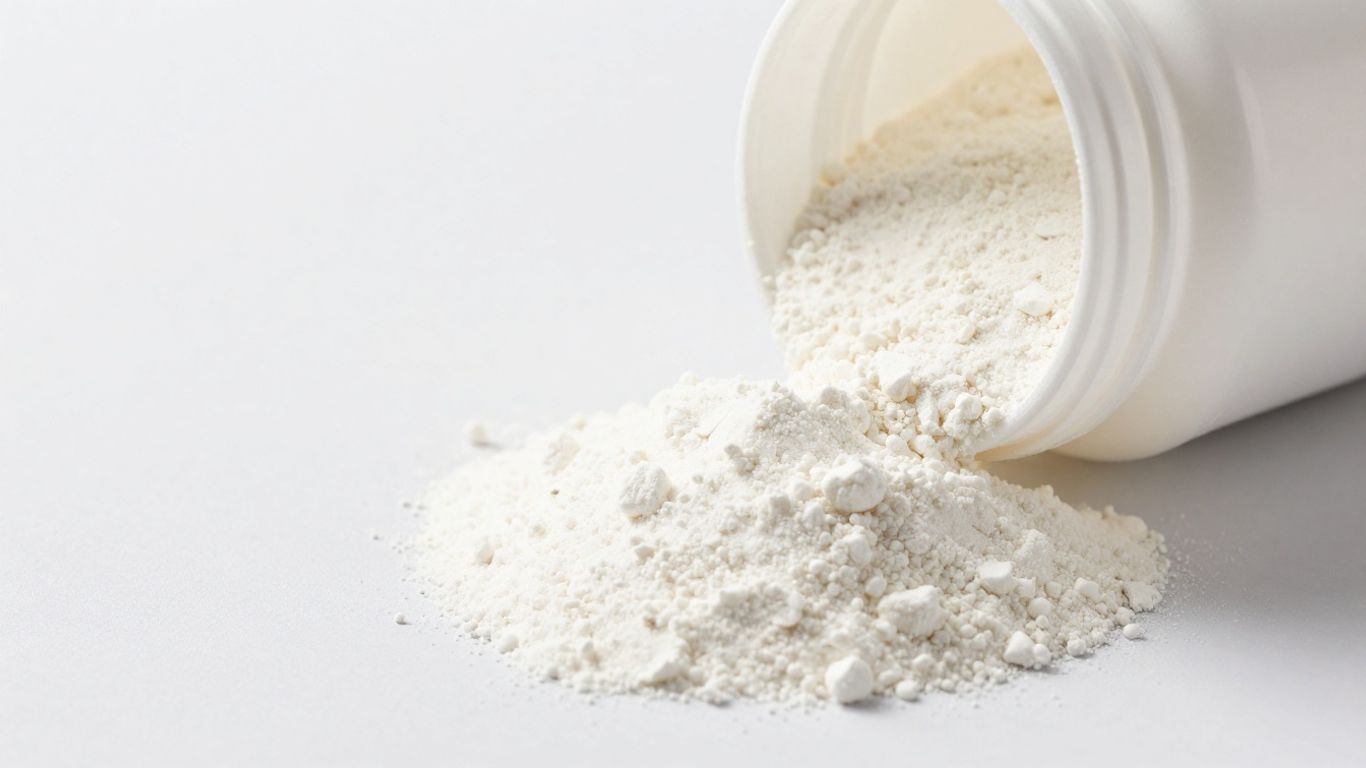
What Is Magnesium Glycinate?
Magnesium glycinate, sometimes called magnesium bisglycinate, is a specific type of magnesium supplement. It’s made by attaching magnesium to glycine, which is an amino acid. Think of it like magnesium getting a special coating. This coating helps it get into your body more easily.
How It Differs From Other Magnesium Supplements
There are many kinds of magnesium out there, and they don’t all act the same. Some, like magnesium oxide, are not absorbed very well and can sometimes cause stomach upset. Others, like magnesium citrate, are absorbed better but can still have a laxative effect for some people. Magnesium glycinate is different because the glycine helps it get absorbed more efficiently without being as harsh on your digestive system. This makes it a top choice for people who want the benefits of magnesium without the common side effects.
Here’s a quick look at how it stacks up:
- Magnesium Glycinate: High absorption, gentle on the stomach, calming properties.
- Magnesium Oxide: Poor absorption, can cause digestive issues.
- Magnesium Citrate: Good absorption, but can have a laxative effect.
The Science Behind Its Bioavailability
Bioavailability is just a fancy word for how well your body can actually use a nutrient. With magnesium glycinate, the bond between magnesium and glycine is quite stable. This means it can travel through your gut without breaking down too much, allowing more magnesium to be absorbed into your bloodstream. This is a big deal because if your body can’t absorb it, it doesn’t matter how much you take. Getting enough magnesium is important for over 300 processes in your body, from muscle function to nerve signals. Choosing a form that your body readily accepts, like liquid magnesium glycinate, can make a real difference in feeling your best.
The way a supplement is formulated plays a huge role in whether it actually helps you. It’s not just about the ingredient itself, but how it’s presented to your body. For magnesium, being attached to glycine makes it much more user-friendly for your system.
Enhancing Sleep Quality Naturally
Magnesium glycinate powder isn’t just another supplement—it’s become a go-to because of how naturally it helps the body wind down. If you’re tired of restless nights, magnesium combined with glycine can be a real game changer. Here’s a closer look at how it can support your nightly routine.
Glycine’s Role in Relaxation
Glycine is a simple amino acid, but it has some pretty important jobs in the body, especially when it comes to sleep:
- Helps quiet the mind at bedtime, making it easier to let go of nagging worries.
- Supports a drop in body temperature, signaling to your brain that it’s time for rest.
- Backs up the production of calming neurotransmitters, which can help you feel more at peace.
A lot of people notice that when they get enough glycine, it just feels easier to settle down after a busy day.
Supporting Healthy Sleep Patterns
Magnesium glycinate goes beyond helping you relax—it also works to keep your sleep consistent. Here’s how it fits in with a typical night’s rest:
| Sleep Benefit | How Magnesium Helps |
|---|---|
| Fall asleep faster | Calms the nervous system |
| Stay asleep longer | Reduces nighttime restlessness |
| Fewer awakenings | Supports stable, deep sleep cycles |
People often say they wake up feeling more refreshed and notice fewer of those frustrating midnight wake-ups. For a lot of folks, using Magnesium Glycinate Liquid about an hour before bed is a simple routine that helps make a big difference.
Aiding the Body’s Natural Relaxation Response
Let’s be honest—unwinding isn’t always easy, especially with the lights, noise, and scrolling we deal with every night. Magnesium is known for:
- Easing muscle tension so your body isn’t stuck in "go mode."
- Lowering feelings of stress or irritation after a long day.
- Working with glycine to promote a true sense of calm, not just temporary drowsiness.
Many people find a gentle magnesium drink takes the edge off daily stress, making falling asleep feel less like a battle.
It can be surprising how this small addition to your nightly routine leads to better sleep, night after night. And remember—consistency is key. For a lot of folks, when they stick with it, they say they can actually feel their sleep patterns settle in and their evenings start to quiet down on their own. If you want more specifics about how magnesium can affect sleep, you might find this article on improved sleep quality helpful.
Benefits Beyond Sleep
While magnesium glycinate is often talked about for its sleep-promoting qualities, its benefits stretch much further. This mineral is a real workhorse in the body, playing a part in hundreds of different processes. So, even if sleep isn’t your primary concern, you might find magnesium glycinate helpful for other aspects of your well-being.
Supporting Muscle Function and Recovery
If you’re active, whether you hit the gym regularly or just have a physically demanding job, magnesium is key. It helps your muscles relax after contracting, which is super important for preventing those annoying cramps and aiding recovery. Think of it as helping your muscles bounce back faster after a tough workout. Without enough magnesium, your muscles might feel tighter, and recovery could take longer. It’s a pretty big deal for anyone who relies on their body’s performance.
- Muscle Contraction and Relaxation: Magnesium helps regulate muscle contractions, allowing them to relax properly after working. This is vital for preventing spasms and improving flexibility.
- Energy Production: It’s involved in the process of converting food into energy, which your muscles need to perform.
- Reducing Soreness: Adequate magnesium levels can help lessen post-exercise muscle soreness, getting you ready for your next activity sooner.
Promoting Nervous System Balance
Your nervous system is like the body’s communication network, and magnesium plays a role in keeping it running smoothly. It helps to calm down overactive nerve responses, which can be a big help when you’re feeling stressed or overwhelmed. This calming effect isn’t just about sleep; it can contribute to a more stable mood and a greater sense of calm throughout the day. For those looking into supplements for brain health, magnesium is often a component because of its role in nerve signaling.
Magnesium acts as a natural calcium blocker, helping to regulate nerve impulses and prevent overstimulation. This can lead to a more relaxed state, both mentally and physically.
Aiding Cognitive Health and Clarity
Ever feel like your brain is a bit foggy? Magnesium might help clear that up. It’s involved in nerve function and can support the pathways in your brain that are responsible for learning and memory. Some research even suggests that magnesium can help protect brain cells. So, beyond just helping you sleep, it could also contribute to sharper thinking and better focus during your waking hours. It’s a pretty well-rounded mineral when you look at all the ways it supports your body and mind.
Addressing Modern Nutritional Gaps
It’s pretty common these days to hear people talk about feeling run down or just not quite right. A big part of that might be because our modern diets just aren’t giving us the magnesium we actually need. Think about it: our food comes from soil that’s been farmed intensively for ages, and then it gets processed to death. It’s a double whammy for nutrient intake.
Why Magnesium Deficiencies Are Common
So, why are so many of us walking around with less magnesium than we should? It really boils down to two main things. First, the way we grow our food has changed. Modern farming practices, while efficient, tend to deplete the soil of essential minerals over time. This means the fruits and vegetables we eat simply don’t contain the same levels of magnesium they once did. It’s a bit like trying to fill a bucket with a leaky hose – you’re just not getting the full amount.
How Processed Foods Impact Intake
Then there’s the whole processed food scene. When grains are refined, for example, the parts that are packed with magnesium – the bran and the germ – are often stripped away. We’re talking about losing up to 80% of the magnesium content right there. It’s a huge amount to miss out on, especially when you consider how much processed food finds its way onto our plates. Even if you try to eat healthy, the reality of the modern food chain can leave you short.
Here’s a quick look at how common food practices affect magnesium:
- Refined Grains: Milling removes the nutrient-rich bran and germ, stripping up to 80% of magnesium.
- Produce Declines: Intensive farming practices have reduced the mineral content of fruits and vegetables over time.
- Dietary Habits: Reliance on convenience foods often means lower intake of magnesium-rich whole foods.
The reality is, even with the best intentions, it’s tough to get enough magnesium from food alone these days. It’s not about blaming anyone; it’s just the way things are with our current food system. Supplementing can be a smart way to bridge that gap.
Trace Minerals Magnesium Glycinate Powder as a Solution
This is where something like Trace Minerals Magnesium Glycinate Powder comes in. It’s designed to help fill those nutritional gaps. Because magnesium glycinate is known for being easily absorbed by the body, it’s a really effective way to boost your magnesium levels without the digestive upset that some other forms can cause. It’s a straightforward way to support your body’s needs when your diet might be falling short. For anyone looking to support their overall well-being, considering magnesium supplements is a sensible step.
Incorporating Trace Minerals Magnesium Glycinate Powder Into Your Routine
So, you’ve got your Trace Minerals Magnesium Glycinate powder, and you’re ready to make it a part of your day. That’s awesome! But how do you actually do it? It’s not complicated, honestly. Think of it like adding a new step to your morning coffee or your evening tea. The key is finding what works best for you and sticking with it.
Choosing the Right Liquid Base
This powder is pretty neutral, which is great because it means you can mix it into a lot of things without it tasting weird. Here are some ideas:
- Water: Just plain water is fine. Room temperature is best for mixing, so you don’t get clumps. It’s the simplest way to go.
- Herbal Tea: If you’re winding down for the night, mixing it into a warm (not boiling!) cup of chamomile or peppermint tea can be a nice ritual. It adds a little something extra to your wind-down time.
- Smoothies: If you’re already making a smoothie, just toss it in. You won’t even notice it’s there, especially if you’ve got other strong flavors going on.
- Juice: A small glass of something like tart cherry juice can work if you want a bit of flavor. It’s a good way to make it feel more like a treat.
Finding Your Ideal Dosage
Figuring out how much to take can feel a bit like guesswork at first. The best advice is always to start with the serving size recommended on the Trace Minerals label. Most people find that a scoop or two is plenty to start feeling the benefits. If you’re unsure, especially if you have any health conditions or are on medication, it’s always a good idea to chat with your doctor. They can help you figure out the right amount for your specific needs. Remember, consistency is more important than taking a huge dose all at once. You can always adjust it slowly over time. For example, if you notice any digestive upset, which is rare with glycinate but possible, just cut back a bit and build up again slowly. It’s all about finding that sweet spot where you feel the calm without any stomach issues.
Making It a Daily Ritual
Turning this into a habit is where the real magic happens. It’s not about taking it once in a while; it’s about making it a consistent part of your day. Think about when you’re most likely to remember. Maybe it’s right after you brush your teeth in the morning, or perhaps it’s when you’re making your evening tea. Some people find it helpful to set a reminder on their phone for the first week or two.
Consistency is key with any supplement. Your body needs a steady supply of magnesium to keep its systems running smoothly. Don’t get discouraged if you don’t feel a dramatic difference overnight. True wellness builds over time with regular, mindful practices. Think of it as a small act of self-care that pays off in the long run.
For instance, if you’re a frequent traveler, keeping pre-portioned packets in your bag can make it easy to stay on track, even when you’re away from home. If you’re hitting the gym regularly, adding a scoop to your post-workout drink can support muscle recovery. It’s about fitting it into your life, not the other way around. You might even find that it pairs well with other supplements you’re taking, like Vitamin D3 and K2, to support overall wellness.
The Trace Minerals Difference

When you’re looking at magnesium glycinate powder, it’s easy to get lost in all the options out there. But what really sets one brand apart from another? For us at Trace Minerals, it comes down to a few core principles we’ve stuck with for decades.
Commitment to Bioavailability
We focus a lot on making sure your body can actually use the minerals you take. It’s not just about putting something in a bottle; it’s about how well your body absorbs it and puts it to work. Magnesium glycinate is a great example because it’s known for being easily absorbed, which means less waste and more benefit for you. This is super important because, let’s face it, you want your supplements to do what they say they will. We’ve spent years researching how different mineral forms interact and how to make them as accessible as possible. It’s why we’re so confident in the quality of our magnesium glycinate.
Expertise in Mineral Science
Our team has been working with minerals for a long time. We understand the complex ways they work together in the body. This isn’t just a side project for us; it’s our main focus. We look at the science behind how minerals are sourced, processed, and formulated to support your overall health. This deep dive into mineral science means we’re not just guessing; we’re creating products based on solid research and a genuine understanding of nutritional needs. It’s about more than just one mineral; it’s about how they all fit into the bigger picture of your well-being.
Supporting Holistic Wellness
We see supplements as part of a larger picture of health. Taking magnesium glycinate is a step towards better sleep and calmer days, but it also plays a role in muscle function, nervous system balance, and even cognitive clarity. Our goal is to provide foundational support that helps your body function at its best. We believe that by focusing on high-quality, bioavailable minerals, we can help you feel more balanced and resilient in your everyday life. It’s about feeling good, inside and out, and that’s what drives us to keep improving our products and sharing our knowledge.
It’s easy to overlook the importance of minerals until something feels off. Whether it’s trouble sleeping, tight muscles, or just a general feeling of being out of sorts, magnesium often plays a key role. Choosing the right form, like magnesium glycinate, can make a noticeable difference in how effectively your body benefits from supplementation. We aim to make that choice clear and effective for everyone.
Here’s a quick look at why magnesium glycinate is a top choice:
- High Absorption: It’s designed to be easily taken in by your body.
- Gentle on the Stomach: Unlike some other forms, it’s less likely to cause digestive upset.
- Supports Relaxation: It helps calm the nervous system and ease muscle tension.
- Versatile Use: Great for sleep support, muscle recovery, and general stress management.
Conclusion
Trace Minerals Magnesium Glycinate Powder offers a way to support your body’s needs, especially when modern diets fall short. By choosing a well-absorbed form like magnesium glycinate, you can help your body relax, sleep better, and function more smoothly. Making it a part of your daily routine can lead to noticeable improvements in how you feel, both day and night. Remember to consult with a healthcare provider to find the right amount for you.
Frequently Asked Questions
What exactly is magnesium glycinate powder?
Magnesium glycinate powder is a type of magnesium that’s attached to an amino acid called glycine. This makes it easier for your body to absorb compared to some other magnesium forms. Glycine itself is known for its calming effects, which helps make this powder a good choice for relaxation.
How is magnesium glycinate different from other magnesium supplements?
Many other magnesium supplements, like magnesium oxide, can sometimes cause stomach upset or have a laxative effect. Magnesium glycinate is usually much gentler on your digestive system. It’s absorbed better, meaning your body gets more of the magnesium it needs without the common side effects.
Can this powder really help me sleep better?
Yes, it can! Magnesium plays a role in regulating sleep. The glycine in magnesium glycinate also helps calm your mind. Together, they can support your body’s natural relaxation response, making it easier to fall asleep and stay asleep.
What other benefits does magnesium glycinate offer besides sleep?
It does quite a bit more! Magnesium glycinate is great for helping your muscles relax and recover, especially after exercise. It also supports your nervous system, which can help you feel more balanced and less stressed. Some people even notice clearer thinking.
Why are so many people low in magnesium these days?
It’s mostly because of how we eat and farm. Processed foods often have less magnesium. Plus, the soil where fruits and vegetables are grown can be low in minerals, so the plants don’t absorb as much. This means we might not get enough magnesium from our regular diet.
How should I take trace minerals magnesium glycinate powder?
It’s pretty simple. You just mix a scoop of the powder into water, juice, or even a cup of tea that isn’t too hot. It’s best to drink it at room temperature or slightly cool. Following the instructions on the product label will give you the best guidance on how much to use.
Related Posts
Magnesium glycinate trace minerals: benefits, dosage, ingredients, and how to choose it
A complete guide to trace minerals for optimal health
A guide to using Trace keto electrolyte powder for optimal hydration
The essential guide to trace minerals multivitamin supplementation
A comprehensive guide to using Trace Minerals Power Pak for daily hydration
A comprehensive guide to trace minerals liquid magnesium glycinate
7 Best magnesium liquid supplements for better absorption
The ultimate guide to Trace Minerals magnesium gummies
