
- You are here:
- Home »
- All Articles »
- Understanding Silver Nitrate: Properties, Uses, and Safety Precautions
Understanding Silver Nitrate: Properties, Uses, and Safety Precautions
So, you’re curious about silver nitrate, huh? It’s one of those chemicals that pops up in a bunch of different places, from old-school photography to modern medicine. It’s a pretty neat compound, but like anything powerful, you’ve got to know how to handle it. We’ll break down what makes silver nitrate tick, where you’ll find it, and most importantly, how to stay safe when you’re working with it. Think of this as your friendly guide to understanding this common, yet sometimes tricky, chemical.
Key Takeaways
- Silver nitrate (AgNO3) is a white, crystalline solid that turns black when exposed to light and has a wide range of uses, including in medicine as an antiseptic and in chemical synthesis.
- It’s important to handle silver nitrate with care because it can stain skin, irritate eyes, and react with various substances, including flammable materials and ammonia.
- Always use personal protective equipment like gloves and goggles, and work in a well-ventilated area when handling silver nitrate to avoid potential hazards.
- Silver nitrate is sensitive to light and should be stored in dark, tightly sealed containers away from incompatible materials to prevent decomposition and hazardous reactions.
- Proper disposal of silver nitrate is necessary due to its toxicity to aquatic life, and users should follow local hazardous waste regulations.
Understanding Silver Nitrate Properties
Silver nitrate (AgNO3) is a pretty interesting compound, and understanding its basic properties is key to knowing why it’s used in so many different ways. It’s a salt, specifically a nitrate salt of silver, and it shows up as a colorless or white crystalline solid. When exposed to light, especially along with organic materials, it tends to turn dark, often black. This light sensitivity is a big deal and affects how it’s stored and used.
Physical Characteristics of Silver Nitrate
In its solid form, silver nitrate has a density of about 4.35 g/cm³. It’s a crystalline substance, often forming transparent plates. It melts at a relatively high temperature, around 210°C (409.5°F). If you heat it even further, up to about 440°C (824°F), it starts to decompose. Unlike many metal nitrates that break down into oxides, silver nitrate decomposes into metallic silver, oxygen, and nitrogen dioxide fumes. This decomposition process is something to be aware of when working with it at elevated temperatures.
Solubility and Reactivity
One of the most useful traits of silver nitrate is its solubility. It dissolves really well in water. For instance, at 25°C, you can dissolve about 256 grams in 100 mL of water. It’s also soluble in other liquids like ammonia and glycerol, and moderately soluble in alcohols like methanol and ethanol. This solubility makes it easy to use in solutions for various applications. It’s also a precursor for making other silver compounds, like silver halides, which are important in photography. The Ag+ ion can also interact with things like alkenes, which is sometimes used in specific chemical reactions.
Light Sensitivity and Decomposition
As mentioned, light is a big factor for silver nitrate. Exposure to UV light or even just visible light can cause it to break down. This isn’t just a surface change; it’s a chemical reaction where silver ions are reduced to metallic silver, which is what causes the darkening. This is why it’s usually stored in dark or opaque containers. When heated, it decomposes, releasing nitrogen dioxide gas, which is a reddish-brown fume. This decomposition reaction is a key characteristic to remember:
2 AgNO3 → 2 Ag + O2 + 2NO2
This property means it’s not something you want to heat up carelessly, especially in enclosed spaces. It’s less sensitive to light than silver halides, but the effect is still significant.
Silver nitrate is a versatile compound, but its tendency to darken in light and decompose when heated means careful handling and storage are always necessary. Its solubility in water is a major advantage for many uses, but its reactivity also means it needs to be kept away from certain substances.
Diverse Applications of Silver Nitrate
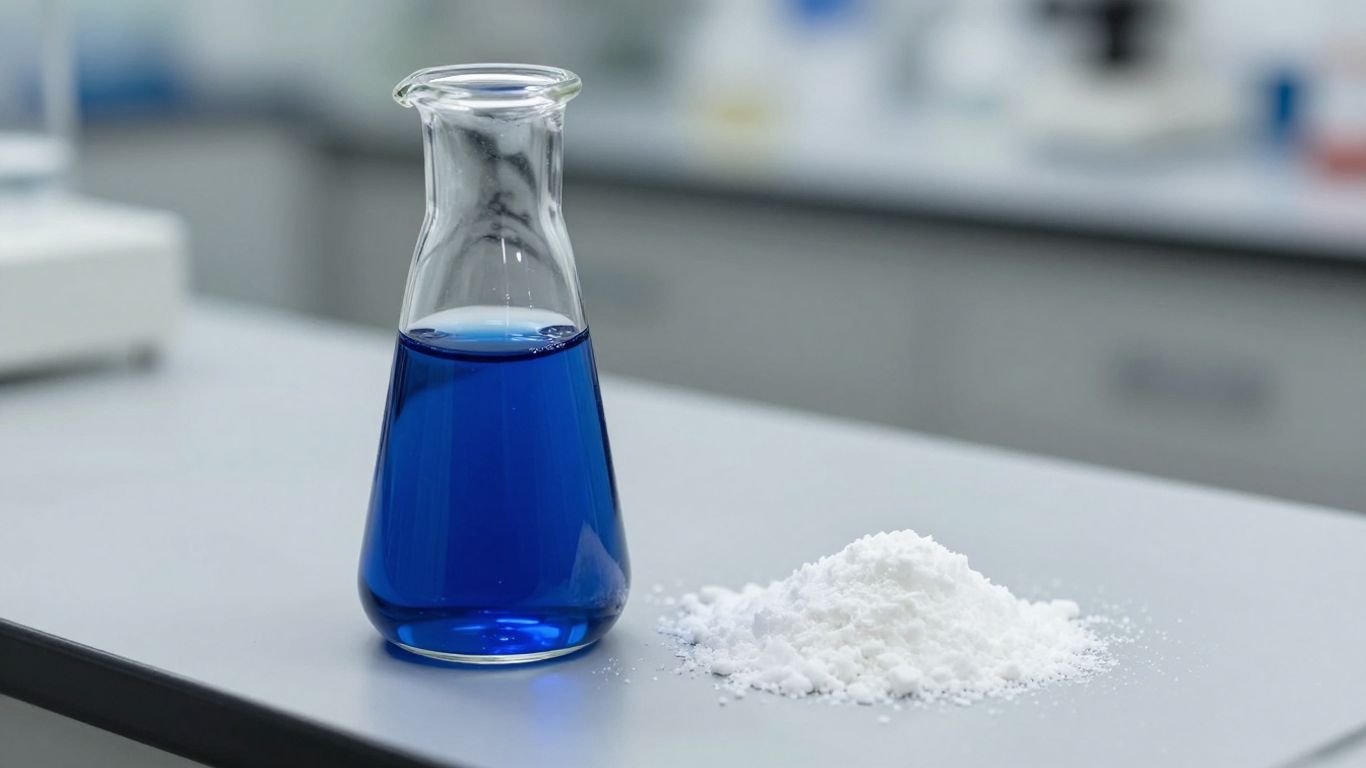
Silver nitrate shows up in so many places—sometimes where you least expect it. Its ability to release silver ions makes it a very adaptable chemical, especially because that part of its structure can be swapped out so easily for others. The following sections break down specific uses in medicine, photography, industry, and the lab.
Medical and Antiseptic Uses
Silver nitrate is a well-known antiseptic. Doctors and nurses use it to help stop minor bleeding (like from shaving cuts), treat stubborn warts, and sometimes to close small wounds by cauterizing the tissue. It’s also been part of eye drop solutions given to newborns to prevent certain infections. Here’s why it stands out in medical settings:
- Quick germ-killing action on contact
- Used as a topical solution, or in stick form for direct application
- Sometimes added to wound dressings for its antimicrobial properties
While silver nitrate has been replaced by more modern drugs for most infections, it’s still handy in a pinch, especially for wounds or burns that need extra protection.
Role in Photography and Imaging
Long before smartphone cameras and digital images, silver nitrate was at the heart of photography. When exposed to light, it reacts to form silver halides—the building blocks of black-and-white film. This process kicks off the chemical reactions behind every classic photo print.
| Application | Purpose | Why Silver Nitrate? |
|---|---|---|
| Film Development | Produces silver halides for film emulsion | Light-sensitive reactions |
| X-ray Imaging | Offers high-resolution dental/medical film | High image clarity |
| Photographic Paper | Forms the image once developed | Strong contrast, permanence |
Silver nitrate’s light sensitivity isn’t just a quirk; it’s what made early photography and X-ray tech even possible. Learn more about its role in film and imaging.
Industrial and Chemical Synthesis Applications
Industry puts silver nitrate to use in a bunch of ways, thanks to its strong reactivity and ease of handling:
- Used as a starting point to make other silver compounds, like silver oxide or silver chloride
- Added to glassware and ceramics for decorative staining
- Used in producing certain explosives, due to the way it reacts with other chemicals
- Helps extend the life of fresh cut flowers, as it slows the production of ethylene, a ripening hormone
It’s not just the silver—sometimes it’s the nitrate ion that matters, as it can be swapped out in chemical reactions very easily.
Laboratory and Analytical Reagent Functions
Few chemicals are as popular in labs as silver nitrate. Here’s where it comes in handy:
- Testing unknown solutions for the presence of halides (chloride, bromide, iodide) by forming a solid precipitate
- Staining proteins and nucleic acids in electrophoresis gels, making them visible for analysis
- Acting as an oxidizer, especially in organic and inorganic studies
- Separating alkenes through argentation chromatography, due to its affinity for double bonds
Any high school chemistry class probably uses silver nitrate at some point, whether in a classic "white cloud" halide test or in staining procedures.
Overall, silver nitrate keeps popping up in old-school tech and brand new inventions alike. Its versatility means it’s likely to stick around, even as the specifics evolve.
Safe Handling of Silver Nitrate
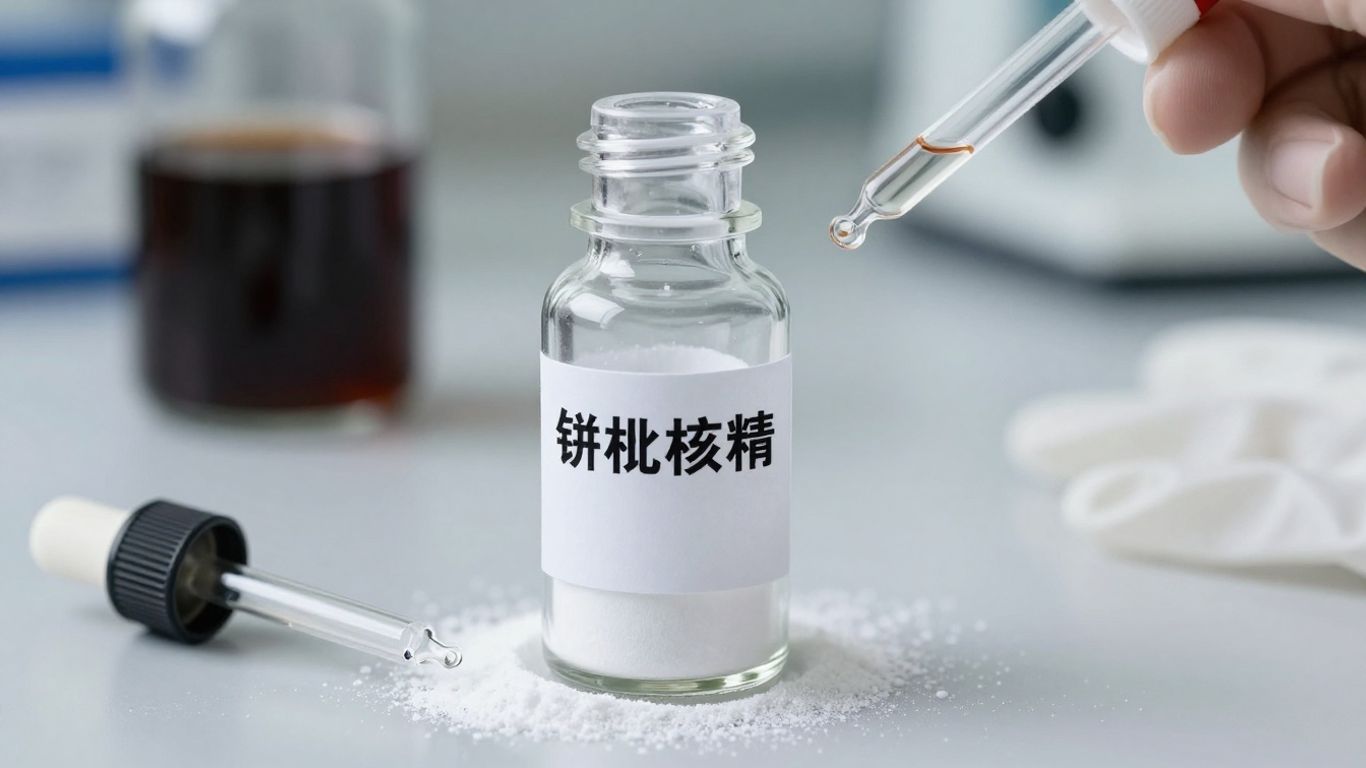
When working with silver nitrate, safety should always come first. This isn’t one of those chemicals you want to handle carelessly—it can irritate your skin, mess with your eyes, or even start hazardous reactions if mixed with the wrong stuff. Here’s how to handle it like a pro, even if you’re just getting started in the lab or using it for a specific project at home.
Essential Personal Protective Equipment
Wearing the right personal protective equipment (PPE) helps reduce the risks of exposure and injury. Don’t skip these items:
- Nitrile or chemical-resistant gloves (not just regular latex)
- Safety goggles or face shield to protect your eyes
- Laboratory coat or apron (preferably chemical-resistant)
- Closed-toe shoes (don’t wear sandals around it!)
- For larger quantities, consider a respirator if dust or fumes are possible
Accidents often happen when people get comfortable and skip their safety gear, thinking nothing bad can really happen "just this once." Silver nitrate will prove you wrong—a single careless contact can leave black stains, burns, or worse.
Proper Ventilation and Storage
You really don’t want to be breathing in any fumes, so always work in a well-ventilated space or under a fume hood.
Safe storage is just as important as personal protection:
- Keep silver nitrate in tightly sealed, labeled containers
- Use amber glass or HDPE containers to protect it from light and moisture (both can cause decomposition)
- Store away from incompatible chemicals like ammonia, organics, or acids
- Maintain temperatures between 15°C and 25°C (59°F-77°F), in a dry area
Here’s a quick table summarizing the recommended storage settings:
| Parameter | Recommendation |
|---|---|
| Temperature | 15–25°C |
| Container | Amber glass or HDPE |
| Light Exposure | Keep away from direct light |
| Labeling | Clear hazard and chemical ID |
| Segregation | Away from ammonia/organics |
If you want more detail about managing overall chemical hazards, see these clear safety information guidelines.
Avoiding Skin and Eye Contact
This point can’t be overstated. Silver nitrate is corrosive, and you’ll regret even a small splash. Here’s what you can do to keep safe:
- Never pipette by mouth—use pipette aids or droppers.
- Clean any spills immediately and dispose of used cleaning materials safely.
- If it splashes on your skin, wash right away with plenty of water. Soap up and keep rinsing.
- For eyes, flush with water for at least 15 minutes and see a doctor.
- Wash hands thoroughly after working, even if you wore gloves the whole time.
Sometimes, people think that because the solution is clear, it’s not that dangerous. Don’t be fooled—silver nitrate stains, burns, and can make for a very bad day. Handle with care, and don’t touch your face or rub your eyes until you’ve washed up.
By following these steps and using common sense, you’ll avoid most of the unpleasant surprises that can come with handling silver nitrate. Take it seriously and treat every handling as an opportunity to build good habits. Safety isn’t optional—it’s just smart.
Potential Hazards and Reactions
Silver nitrate isn’t just your average lab chemical; its risks go far beyond a ruined shirt or some stained fingers. If you’re not careful, it can actually cause burns, hazardous reactions, and even start fires due to its strong oxidizing power. Below, I’ll walk you through the key reaction hazards you need to know about.
Reactions with Organic and Flammable Materials
Silver nitrate should always be kept far away from flammable substances and organic materials. If these substances come into contact with silver nitrate, they can ignite or even explode. Alcohols, ethers, or simple hydrocarbons—all common in labs—can set off dangerous reactions in the presence of silver nitrate, since it acts as a robust oxidizer. Here’s a quick overview:
| Material | Possible Reaction | Resulting Hazard |
|---|---|---|
| Ethanol/Alcohols | Can form silver fulminate, release heat | Explosion/Fire |
| Ethers/Hydrocarbons | Oxidation | Combustion/Fire |
| Cellulose (paper) | Accelerates burning | Fire spreads fast |
- Keep flammable materials in a different storage area.
- Clean up spills immediately.
- Use only approved containers and tools.
Even a splash on clothing soaked with solvent can become a major fire hazard in seconds with this compound.
For more on fire risks associated with silver nitrate, check out guidelines for handling strong oxidizers safely.
Incompatibilities with Ammonia and Reducing Agents
Mixing silver nitrate with ammonia? Not a good idea. Their reaction can make fulminating silver, which is extremely sensitive to shock and can explode just from being touched or moved. The same goes for reducing agents—substances like formic acid, sugars, or sulfites will strip the silver out, often generating heat and sometimes even causing burns or flames.
Some things to absolutely avoid mixing with silver nitrate:
- Ammonia or ammonium salts
- Formic acid
- Sulfites or any strong reducing agents
Silver nitrate reactions with reducing agents can actually create visible silver deposits, which look cool but definitely aren’t worth it if you get hurt.
For more specific incompatibilities, see examples of dangerous reactions with alcohols and aldehydes.
Risks Associated with Acids, Bases, and Metals
Silver nitrate can get weird with strong acids or bases. With acids, especially nitric or sulfuric acid, reactions can create toxic fumes. Bases can cause rapid decomposition and sometimes even explosions if conditions are wrong. If you mix silver nitrate with reactive metals (like copper or magnesium), it will try to swap places, shedding pure silver and generating heat or even fire.
Quick reminders:
- Never store silver nitrate next to acid or base supplies.
- Don’t pour silver nitrate waste into metal sinks or pipes; you’ll get unwanted reactions fast.
- Use only plastic or glassware unless the procedure specifically calls for something else.
Toxicity and Corrosive Nature
Even without dramatic reactions, silver nitrate is still hazardous to your health. It’s toxic if swallowed, inhaled, or absorbed through your skin. It also causes severe irritation and chemical burns, especially in your eyes or on broken skin. Repeated exposure can even turn your skin grayish-black—a condition called argyria that doesn’t go away on its own.
Here’s a look at toxicity data:
| Route | LDLo (lowest lethal dose) | Species |
|---|---|---|
| Oral | 800 mg/kg | Rabbit |
| Oral | 20 mg/kg | Dog |
- Wear nitrile gloves, goggles, and a lab coat.
- Work in a place with good ventilation.
- Have an emergency shower and eyewash station nearby.
Always treat silver nitrate spills and exposures like a big deal, even if it seems like just a splash. Fast action makes all the difference.
Regulatory and Sourcing Considerations
Silver nitrate is strictly controlled in the United States, not only because of its chemical reactivity but also due to environmental and health risks. If you’re thinking about buying or using silver nitrate for any project, there’s real homework to do—rules, reliable suppliers, and quality checks
both matter a lot.
Governing Regulations for Silver Nitrate Use
Several government agencies weigh in on how silver nitrate must be handled, transported, and disposed of. Key regulations include:
- OSHA limits workplace silver exposure to less than 0.01 mg/m³, so workplaces have to monitor air and train people on protection.
- The EPA restricts silver in water discharges to below 0.1 ppm through the Clean Water Act, making waste management and effluent treatment a must federal Resource Conservation and Recovery Act.
- Silver nitrate is shipped as a UN 1493, Class 5.1 oxidizer. That means you need specialty packaging (amber bottles or HDPE) and careful paperwork.
- The FDA regulates medical applications, like eye drops or wound treatments.
It’s easy to feel overwhelmed, but these rules keep people and the environment safe.
Tips for Sourcing High-Quality Silver Nitrate
Finding the right supplier is about more than price—it’s about purity, safety, and consistent quality. Here’s what helps:
- Get a Certificate of Analysis (COA): Good suppliers will have proof of >99.5% purity and <0.01% heavy metal contaminants.
- Make sure packaging protects the product: Amber glass and HDPE bottles shield silver nitrate from light, which is essential since it breaks down quickly. Check for GHS-compliant labels and clear transport markings.
- Ask for GHS-compliant Safety Data Sheets (SDS): These guide handling and emergency response. Pre-compliance with OSHA/EPA rules saves you headaches.
- Choose a reliable, sustainable source: Some providers, such as Elchemy, make quality and compliance the foundation of their business, plus they offer options like pre-made solutions and smaller package sizes.
- Talk contract pricing: Silver prices swing up and down, so multi-month contracts help avoid budget shocks. Expect somewhere between $500 to $1,500 per kilogram, depending on the market.
Understanding Different Grades and Purity
Depending on how you plan to use silver nitrate, the purity really matters. Here’s a quick comparison:
| Grade | Typical Purity (%) | Common Use |
|---|---|---|
| Analytical | >99.9 | Chemical tests, research |
| Pharmaceutical | >99.8 | Medical, eye drops, wound care |
| Industrial | 99.0–99.5 | Catalysis, photography |
- Analytical and medical uses generally call for the highest purities, but even a small drop below can affect test results or treatment outcomes.
- Ask your supplier what grade they’re offering and check the paperwork.
- Some suppliers include custom concentrations (for example, 1%, 5%, or 10%), so you get exactly what your process needs.
Sustainable suppliers increasingly prioritize recovering silver from waste streams, reducing emissions, and partnering with eco-conscious producers. Buyers can push the market by choosing vendors that document their recycling and emission controls.
Environmental Impact and Disposal
When we talk about silver nitrate, it’s easy to get caught up in its uses and properties, but we really need to think about what happens when we’re done with it. This stuff isn’t exactly something you can just pour down the drain, you know? It’s got some serious environmental considerations.
Aquatic Toxicity of Silver Nitrate
Silver nitrate is pretty rough on aquatic life. Even small amounts can cause problems for fish and other water critters. The silver ions released can stick around and mess with their systems for a long time. It’s crucial to prevent silver nitrate from getting into any waterways. Because of this, there are rules about how much silver can be in wastewater, usually less than 0.1 parts per million. This is why recovering silver from waste is such a big deal.
Proper Hazardous Waste Disposal Procedures
So, what do you do with leftover silver nitrate or contaminated materials? You can’t just toss it in the regular trash. It needs to be treated as hazardous waste. Here’s a general idea of how it’s handled:
- Collection: Gather all silver nitrate waste in a container specifically marked for chemical waste. Keep it separate from other chemicals, especially things like ammonia or flammable stuff.
- Treatment: Often, waste is treated to convert the silver into a less harmful form, like silver chloride (AgCl), which is less soluble. This might involve adding sodium chloride.
- Disposal: Follow your local, state, and federal guidelines to the letter. This usually means sending it to a licensed hazardous waste disposal facility. They know how to handle it safely.
Never assume that a chemical is safe to dispose of without checking the proper procedures. Always err on the side of caution when dealing with potentially harmful substances.
Green Chemistry Practices for Silver Nitrate
There’s a growing push to use greener methods when working with chemicals like silver nitrate. It’s all about minimizing harm and waste. Some smart approaches include:
- Silver Recovery: This is a big one. Companies are getting really good at reclaiming silver from waste streams, sometimes recovering over 90%. This not only reduces pollution but also saves money since silver is valuable. Think about investing in a 1 oz silver coin – that shows how much people value silver.
- Low-Dose Applications: In fields like medicine, using lower concentrations of silver nitrate solutions means less chemical is used overall, leading to less waste.
- Alternative Materials: For some uses, researchers are looking into non-silver antimicrobials or other compounds that might do the job without the same environmental baggage.
- Efficient Lab Practices: In labs, using microscale techniques or optimizing reactions can significantly cut down on the amount of silver nitrate needed for tests and analyses.
Conclusion
So, that’s the basics on silver nitrate. It’s a pretty handy chemical, showing up in everything from medicine to photography labs. But as useful as it is, you really have to respect it. Silver nitrate can stain your skin, irritate your eyes, and even cause burns if you’re not careful. It’s also not something you want to get on your clothes or dump down the drain. If you’re planning to use it, make sure you follow the safety tips—gloves, goggles, and good ventilation go a long way. And always store it somewhere safe, away from kids, pets, and anything flammable. If you’re ever unsure, check with a professional or look up the latest safety guidelines. Silver nitrate is a great tool when used right, but it’s definitely not something to take lightly.
Frequently Asked Questions
What is silver nitrate and what does it look like?
Silver nitrate is a chemical compound made up of silver, nitrogen, and oxygen. It usually appears as a white or colorless solid that looks like tiny crystals. When exposed to light or organic material, it can turn black.
What are the most common uses of silver nitrate?
Silver nitrate is used in many areas. In medicine, it’s used to stop bleeding and treat warts. It’s also important in making photographic films and is used in labs for chemical tests. Industries use it to make other silver compounds and in chemical manufacturing.
Is silver nitrate dangerous to handle?
Yes, silver nitrate can be harmful if not handled properly. It can stain your skin black or gray and may cause burns or irritation. If it gets in your eyes, it can cause serious injury. You should always wear gloves, goggles, and a lab coat when working with it.
How should I store silver nitrate safely?
Store silver nitrate in a tightly closed container made of dark glass or plastic. Keep it in a cool, dry place away from sunlight and away from things like ammonia or anything flammable. Always keep it out of reach of children and pets.
What should I do if I spill silver nitrate or get it on my skin?
If you spill silver nitrate, clean it up right away using gloves and absorbent material like sand. If it gets on your skin, wash the area with lots of water. If it gets in your eyes, rinse them with water for at least 15 minutes and get medical help right away.
Is silver nitrate harmful to the environment?
Yes, silver nitrate is very toxic to fish and other water animals. Never pour it down the drain. Dispose of it as hazardous waste by following your local rules. Try to use only what you need and look for ways to recycle silver when possible.
Related Posts
Silver hydrosol vs colloidal silver: Key differences, claims, and safety
Silver Wings Colloidal Silver: Uses, Safety, and What to Know
Chemical element silver: Properties, uses, history, and why it matters
Colloidal silver liquid 250 ppm: Uses, safety, quality, and what to know before buying
Understanding the chemical symbol for silver and its historical roots
The essential guide to silver oxide: properties, applications, and safety
The best voltage for making colloidal silver: A guide to particle size and production safety
Understanding colloidal silver 20 ppm: A comprehensive guide to usage and safety
