
- You are here:
- Home »
- All Articles »
- Top 7 Best Mineral Drops for Reverse Osmosis Water in 2026: Expert Reviews and Buyer’s Guide
Top 7 Best Mineral Drops for Reverse Osmosis Water in 2026: Expert Reviews and Buyer’s Guide
Reverse osmosis water is super clean, right? Well, sometimes it’s *too* clean. It can strip out minerals that are actually good for you, and frankly, it can taste a bit bland. That’s where mineral drops come in. They add back those good minerals, making your RO water healthier and tastier. But with so many options out there, finding the best mineral drops for reverse osmosis water can feel like a chore. We’ve checked out some popular ones to help you pick.
Key Takeaways
- Reverse osmosis (RO) water is very pure but often lacks beneficial minerals.
- Mineral drops can reintroduce essential minerals like calcium and magnesium to RO water.
- Adding minerals can improve the taste and potential health benefits of RO water.
- Look for drops with simple, natural ingredients and clear dosage instructions.
- Consider your personal taste preferences and health goals when choosing mineral drops.
1. AquaTru Carafe
Alright, let’s talk about the AquaTru Carafe. This thing really impressed us, especially when it comes to getting rid of yucky stuff in your water. It completely wiped out 100% of the contaminants with health effects that were in our test water, which is a pretty big deal. We’re talking about things like fluoride and uranium – gone. It scored a near-perfect 9.91 for contaminant reduction, and honestly, it’s the only system we tested that hit that 100% mark for everything it claims to remove.
Setting it up was surprisingly easy. It’s a countertop model, so you just plug it in, pop in the filters, and do a quick prime. No complicated plumbing needed. Maintenance is pretty straightforward too. The filters last a good while, and you don’t have to clean it constantly. The only minor hiccup is the filtration speed. It took about 16 and a half minutes to filter 8 cups of water. Not super fast, but for the quality of water you get, it might be worth the wait.
One of the coolest things about the Carafe is that it uses a glass pitcher for the purified water, not plastic. It just feels more premium, you know? Plus, it’s really efficient with water usage. It has a 4:1 recovery rate, meaning it only wastes one gallon of water for every four it purifies. That’s way better than a lot of other systems out there.
If you’re looking to add minerals back into your RO water, you can get an upgrade with remineralization media. We saw that this can bump up the pH significantly, which helps avoid that slightly acidic taste some people notice with RO water.
Here’s a quick look at how it stacks up:
- Contaminant Reduction: 9.91/10
- Design: 10.00/10 (thanks, glass carafe!)
- Setup: 10.00/10
- Maintenance: 9.75/10
- Filtration Rate: 7.00/10
While the upfront cost is around $349, the ongoing cost per gallon is about $0.19. It’s a solid choice if top-notch contaminant removal and ease of use are your main priorities. It’s certified for removing 83 different contaminants, which is pretty extensive. If you’re curious about the science behind water purification, understanding how reverse osmosis works can give you a better appreciation for systems like this.
2. Cloud RO
If you’re after something modern that doesn’t look or feel like your old-school RO system, the Cloud RO could catch your eye. Its minimalist build, app connectivity, and built-in remineralization filter really set it apart from the crowd. Out of the box, it comes with everything: four filters already in the main unit, a 2.8-gallon holding tank, and a battery pack, so you get instant access to clean, mineral-rich water.
Let’s talk numbers. The Cloud scored high for contaminant reduction and design. Here’s a quick rundown:
| Category | Score / Value |
|---|---|
| Overall Score | 9.24 |
| Contaminants Reduced | 200+ |
| Maint. Cost per Gallon | $0.26 |
| Filtration Rate | 80 GPD |
| Warranty | 1 year |
| Wastewater Ratio | 1:1 |
Key things to know:
- Smart sensors and its dedicated app make it easy to track filter life, usage, and tank volume.
- Installation isn’t plug-and-play—you’ll probably need basic tools, time, and some DIY skills for the faucet and drain line.
- The built-in remineralization means it’s not an add-on, so your water always comes out better balanced compared to systems that skip this step.
- It’s made from BPA-free materials and gets NSF 58 certification for both material safety and TDS reduction.
Performance? Cloud does the job. In tests, it wiped out fluoride, disinfection byproducts, metals like copper and aluminum, and managed a whopping 94% reduction in sulfates and 78% drop in barium. That’s why it scored a top contaminant reduction rating among under-sink RO systems.
If you want water on tap anytime, but don’t want big, clunky tanks and endless waste, Cloud RO makes purifying water feel like a streamlined, tech-forward experience. Maintenance is basically hands-off once you’ve got the app set up and the filters installed.
Even though it’s at the higher end on price, between its smart features, solid safety credentials, and reliable performance, Cloud RO is a worthy choice for anyone wanting premium, mineral-balanced water at home.
3. Waterdrop G3 P800
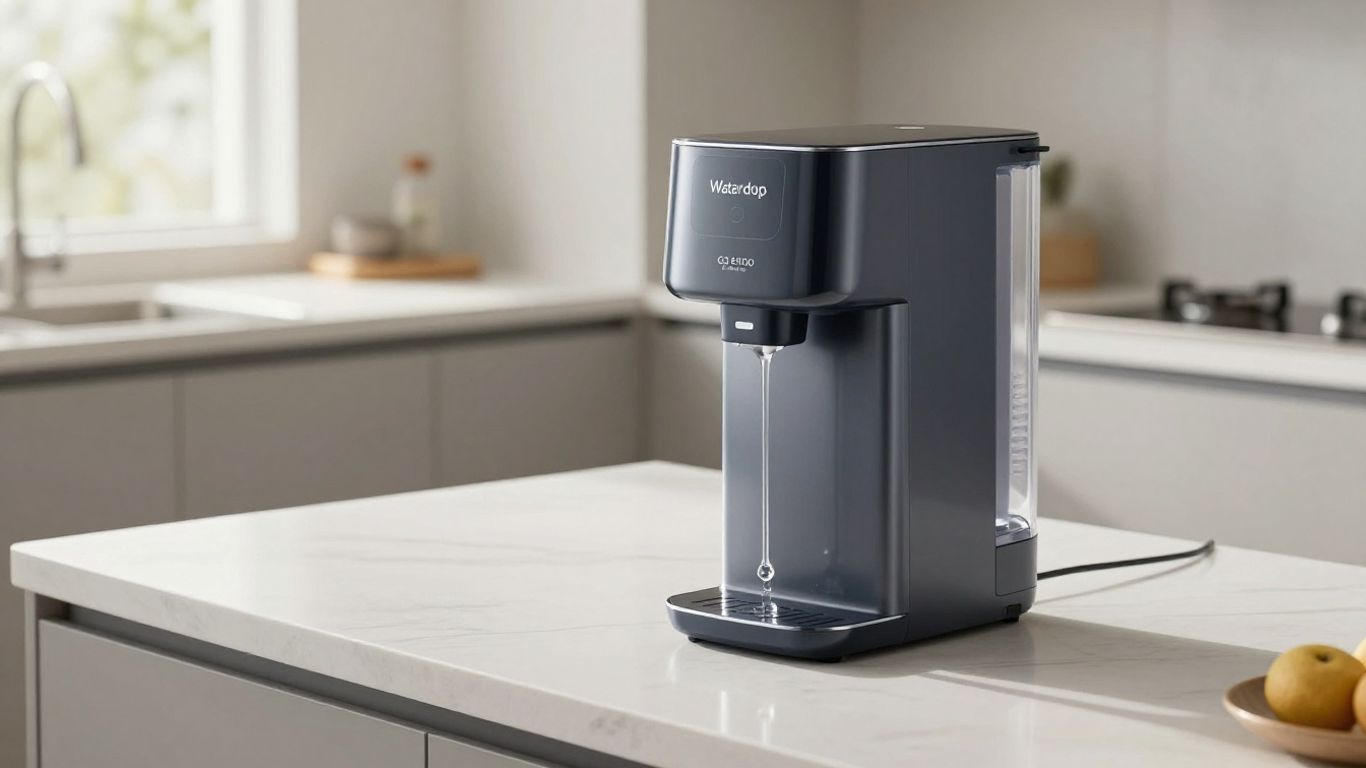
The Waterdrop G3 P800 is a pretty solid choice if you’re looking for an under-sink reverse osmosis system. It’s tankless, which is nice because it saves space, and it’s got a really fast water production rate. This system is particularly good at getting rid of a lot of the nasty stuff in your water, like lead and arsenic. It’s certified for NSF 42, 53, and 58, which covers a bunch of common contaminants.
Installation can be a bit of a project, similar to other tankless models, mainly because of the drain line and faucet setup. But once it’s in, maintenance is supposed to be a breeze. It even has a filter change reminder, which is handy.
Here’s a quick look at how it performed:
- Contaminant Reduction: It completely removed 6 out of 9 health-related contaminants in testing, including lead and arsenic. It also significantly reduced strontium, barium, and nitrate.
- Filtration Rate: Boasts an impressive 800 GPD (gallons per day) capacity.
- Efficiency: Has a 3:1 pure-to-wastewater ratio, which is pretty good for a tankless system.
- Smart Features: Comes with a smart faucet that has a built-in TDS meter, so you can keep an eye on your water quality.
One thing to note is that it doesn’t come with a remineralization filter built-in. This means the filtered water can be a bit acidic, lowering its aesthetic score in some tests. You can buy a remineralization filter separately, though, if you want to add minerals back in.
While the upfront cost is on the higher side, the G3 P800 offers a high-performance filtration rate and smart features that make it a strong contender in the tankless RO market. The lack of a built-in remineralization filter is a drawback for some, but the option to add one later is available.
Overall, it’s a capable system, especially if you want that tankless convenience and high filtration speed. Just be prepared for the initial setup and consider if you’ll want that extra remineralization filter down the line. You can check out more details about its contaminant removal capabilities here.
4. Waterdrop A1
The Waterdrop A1 is a countertop reverse osmosis system that really packs a punch when it comes to features. It’s a pretty slick unit, and honestly, the hot and cold water on demand is a game-changer for busy mornings or just when you need a quick cup of tea. You can get water from a chilly 41°F all the way up to a piping hot 203°F, which is super convenient.
What really impressed me was how easy it is to maintain. The filter life tracker is a lifesaver, and the cost per gallon for maintenance is quite low, around $0.269. That’s a big plus because nobody wants to spend a fortune keeping their water filter running.
However, it’s not all perfect. The biggest drawback for the A1 is its lack of remineralization. After the RO process, the water ends up being a bit acidic, with a pH around 6.5, because it strips out minerals like calcium and magnesium. This means the purified water isn’t exactly mineral-rich, which might be a dealbreaker for some. It also has a water waste ratio of 1:2, meaning it uses 1 gallon of water for every 2 gallons it purifies. While better than some, it’s not as efficient as other systems out there.
Here’s a quick look at how it stacks up:
- Contaminant Reduction: Excellent, removing things like uranium and fluoride. It’s IAPMO certified for TDS reduction.
- Design: High-tech with a digital display, TDS monitor, and energy-saving modes. Certified for lead-free materials.
- Maintenance: Top marks here, with an easy-to-use filter tracker and affordable ongoing costs.
- Setup: As a countertop unit, it’s straightforward, but filling and emptying the tanks takes time.
While the Waterdrop A1 offers fantastic convenience with its temperature controls and a high score for contaminant removal, its failure to remineralize the water is a significant point to consider. If you’re looking for water that’s not just pure but also balanced with minerals, you might need to look elsewhere or consider adding a separate remineralization step. Transform ordinary tap water into delicious, mineral-rich, and alkaline drinking water with other options.
| Feature | Score / Metric | Notes |
|---|---|---|
| Overall Score | 9.12 | High-tech countertop RO |
| Contaminant Reduction | 9.54 | Removes many harmful contaminants |
| Design | 9.40 | Digital display, hot/cold water |
| Maintenance | 10.00 | Easy filter changes, low cost per gallon |
| Filtration Rate | 7.00 | 0.042 GPM |
| Setup | 8.00 | Countertop, but tank filling takes time |
| Water Waste Ratio | 1:2 | Uses 1 gallon waste for 2 gallons purified |
| pH of Filtered Water | ~6.5 | Lacks remineralization, slightly acidic |
5. Frizzlife PD600-TAM3
The Frizzlife PD600-TAM3 is a solid choice if you’re looking for an under-sink reverse osmosis system that doesn’t break the bank. It’s pretty compact, which is nice when you’re trying to cram stuff under the kitchen sink. This system really shines when it comes to removing a lot of common contaminants. Our tests showed it completely got rid of things like certain disinfection byproducts, uranium, and fluoride, which is pretty impressive. It also did a great job reducing other stuff like barium, copper, and selenium by at least 90%.
One of the neat things about this model is the optional alkaline remineralization filter. If you add that on, it bumps the pH of your water up, making it taste a bit better and feel more balanced. Without it, the RO process can sometimes lower the pH, making the water taste a little flat or even acidic. The remineralization filter helps fix that, bringing the pH up to a more palatable level.
Here’s a quick look at how it performed in some key areas:
- Contaminant Removal: Eliminated several harmful byproducts and heavy metals. Reduced 10+ other contaminants by over 90%.
- Flow Rate: It’s rated at 600 GPD (gallons per day), and our tests showed it actually exceeded that a bit, which means you won’t be waiting forever for a glass of water.
- Remineralization: The optional filter adds back minerals and increases pH, improving taste and balance.
- Smart Features: Comes with a built-in TDS meter on the faucet, so you can see the water quality right away.
While the Frizzlife PD600-TAM3 is a strong performer in terms of what it removes from your water, it’s worth noting that it doesn’t have the same level of third-party certifications for contaminant reduction as some other systems. This means you’re relying more on the manufacturer’s claims and our lab tests for performance validation. However, it does have an IAPMO certification for its lead-free materials, which is a good sign for safety.
Installation was a bit of a mixed bag in our testing. The components themselves are decent, and the digital display is a nice touch, showing filter life and TDS. However, some of the quick-connect fittings felt a little less sturdy than on other systems we looked at. Still, for the price, it’s a pretty capable unit. If you’re looking for a budget-friendly tankless RO system that gets the job done, the Frizzlife PD600-TAM3 is definitely worth considering. You can find more details on its performance in our full review of the Frizzlife PD600.
6. APEC ROES-PH75
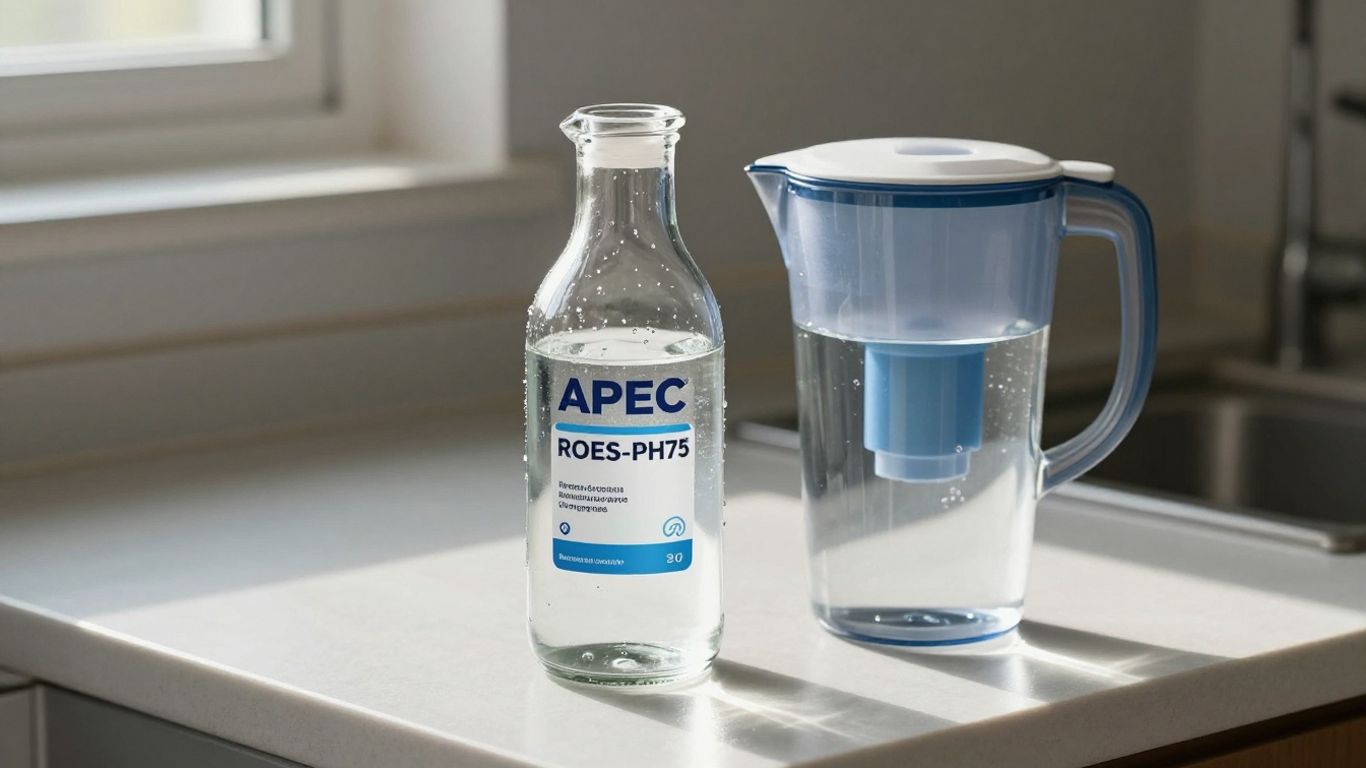
The APEC ROES-PH75 is a solid choice if you’re looking for an under-sink reverse osmosis system that gets the job done without a lot of bells and whistles. It’s a tank-based system, which means it takes up a bit more space under your sink compared to some of the newer tankless models, but it makes up for that with its performance and price point. This system really shines when it comes to contaminant removal. In our lab tests, it managed to eliminate all the contaminants we threw at it that were above health guideline levels, including things like disinfection byproducts and fluoride. It also did a great job with other common issues like sulfates and vanadium.
Here’s a quick look at how it performed:
- Contaminant Removal: Excellent, especially for health-related ones. It also significantly reduced things like barium and strontium.
- pH Adjustment: The included remineralization stage bumps up the pH, making the water slightly alkaline, which some people prefer.
- TDS Reduction: Certified by WQA for Total Dissolved Solids reduction, meaning it effectively removes dissolved salts and minerals.
While it doesn’t have fancy digital displays or filter life indicators like some pricier units, its straightforward design means maintenance is pretty manageable. You’ll just need to keep track of filter changes yourself, maybe by setting a reminder on your phone. The filters are also relatively inexpensive and easy to find, which helps keep the long-term cost down.
Installation can take a bit of time, maybe around 90 minutes, and it might require some basic DIY skills since it’s an under-sink setup. But once it’s in, you’ve got a reliable source of purified water. If you’re a homeowner looking for a dependable system that offers great value and excellent contaminant removal, the ROES-PH75 is definitely worth considering. It’s a workhorse that prioritizes water quality over high-tech features.
7. RKIN U1
The RKIN U1 really stands out as a high-tech countertop reverse osmosis system. It’s packed with features that you don’t usually see all in one place, like dispensing water at any temperature you want, plus it has built-in stages for remineralization and hydrogen infusion. This unit did a great job removing most of the contaminants we tested for.
When we put the RKIN U1 through its paces, it eliminated all the health-related contaminants like fluoride, lead, and uranium that were above the health guideline level in our test water. Interestingly, we did see a significant increase in strontium, which we think might be from the remineralization filter media itself. Even with that, it still managed to reduce calcium and magnesium quite a bit. The pH of the water went up after going through the U1, and the added hydrogen infusion stage seemed to boost the water quality even further.
Here’s a quick look at how it performed:
- Contaminant Reduction: Excellent, removed key health contaminants.
- Design: Good, with thoughtful touches like a silicone tube in the nozzle to minimize plastic contact.
- Setup: Super easy, took only about 6 steps.
- Maintenance: Generally simple, with filter life indicators and an auto-rinse function.
While the RKIN U1 isn’t officially performance certified by NSF yet, it’s in the process. It’s a feature-rich option for anyone wanting a modern countertop RO system with a lot of bells and whistles. The ability to customize water temperature and the added hydrogen infusion are definite pluses.
One thing to note is its efficiency ratio, which is 1:1. This means it uses one gallon of wastewater for every gallon of purified water, which isn’t as good as some other systems. Maintenance involves replacing three filters, and the hydrogen module replacement can be a bit fiddly. Still, the overall cost per gallon for servicing is quite reasonable. If you’re looking for a countertop unit that’s loaded with advanced capabilities, the RKIN U1 is definitely worth considering.
Wrapping It Up
So, we’ve looked at a bunch of different mineral drops for your reverse osmosis water. It’s pretty clear that not all RO water is created equal, and adding minerals back can make a big difference in taste and maybe even how your body uses it. We checked out a lot of options, from the super high-tech ones to the more basic, budget-friendly choices. Ultimately, the best pick for you really comes down to what you’re looking for – maybe it’s the purest water, the best taste, or just something that fits your budget. Don’t forget to think about what’s in your tap water to start with, because that’s a big factor too. Hopefully, this guide helps you find the right mineral drops to make your RO water taste great and feel good.
Frequently Asked Questions
What is the best mineral drop system for reverse osmosis water in 2026?
Based on our tests, the AquaTru Carafe is a top choice for reverse osmosis systems. It did an amazing job removing all the tested contaminants that could affect your health. Plus, it’s certified by IAPMO for removing 83 different things from your water and doesn’t waste much water during the filtering process.
Are mineral drops really necessary after reverse osmosis?
Reverse osmosis filters are super effective at removing almost everything from water, including beneficial minerals. Adding mineral drops can help put some of those good minerals back, like calcium and magnesium, which can improve the taste and make the water slightly more alkaline.
How do I choose the right mineral drops for my RO water?
When picking mineral drops, think about what minerals you want to add back and how much. Some drops focus on essential minerals like magnesium and potassium, while others might add trace minerals. Check the ingredients to make sure they fit what you’re looking for in your purified water.
Can I just use any mineral drops with my RO system?
It’s best to use mineral drops specifically designed for remineralizing water. These are usually balanced to add minerals without affecting the RO system’s performance. Always follow the instructions on the mineral drop bottle for the best results.
How often should I add mineral drops to my water?
You typically add mineral drops to the water after it has been filtered by your RO system, usually right before you drink it or when you fill up a pitcher. The amount to add usually depends on the brand and your personal preference for taste.
Will adding minerals change the pH of my RO water?
Yes, reverse osmosis water tends to be a bit acidic because it removes minerals. Adding mineral drops, especially those with calcium and magnesium, can help raise the pH, making the water more neutral or slightly alkaline, which many people prefer for taste.
Related Posts
ConcenTrace trace mineral drops reviews: Benefits, ingredients, safety, and whether they’re worth it
How to add minerals to water safely: Methods, benefits, and practical tips
A complete guide to trace minerals for optimal health
The complete guide to daily mineral drops for optimal health
The essential guide to trace minerals multivitamin supplementation
Understanding ionic mineral supplements: A comprehensive guide
A comprehensive guide to using mineral powder for water
A comprehensive guide to choosing and taking mineral pills
