
- You are here:
- Home »
- All Articles »
- The Ultimate Guide to Sugar Free Electrolyte Drinks for Hydration in 2026
The Ultimate Guide to Sugar Free Electrolyte Drinks for Hydration in 2026
Sugar free electrolyte drinks have become a go-to for anyone wanting to stay hydrated without all the extra sugar. Here are some quick points to remember when picking the best one for you:
Key Takeaways
- Always read the nutrition label to make sure it’s truly sugar free.
- Check for key minerals like sodium, potassium, and magnesium.
- Choose natural flavors and sweeteners if you want to avoid artificial stuff.
- Match sodium levels to your sweat and activity needs.
- Try different brands and flavors until you find one you actually enjoy.
Understanding Sugar Free Electrolyte Drinks
Staying hydrated isn’t just about drinking water—you also need the right minerals to keep your body running smoothly. Sugar free electrolyte drinks are the answer for anyone wanting balanced hydration without the sugar highs (and crashes) that come from traditional sports drinks.
What Makes an Electrolyte Drink Sugar Free
- The main difference is the absence of added sugars. Instead of using cane sugar, corn syrup, or fruit juices loaded with sugar, these drinks go a different route to deliver flavor and hydration.
- They are labeled as ‘sugar free’ when the nutrition facts panel lists 0 grams of sugar per serving. Some products sneak in natural or artificial sweeteners, so it’s a good idea to check the ingredient list closely.
- Many brands use stevia, monk fruit, or a blend of natural flavors to keep things palatable without raising blood sugar. That said, some folks are picky about sweeteners, so taste-test a few before settling on a favorite.
Most people don’t actually need a ton of sugar to hydrate. For day-to-day living and even moderate workouts, zero-sugar electrolyte drinks can help you avoid energy crashes and keep hydration simple.
Key Minerals and Their Roles in Hydration
Here’s a quick look at the most common electrolytes and what they do:
| Mineral | Why You Need It | Main Benefits |
|---|---|---|
| Sodium | Manages fluid balance | Prevents cramps, regulates blood pressure |
| Potassium | Supports nerve function | Relieves muscle fatigue, helps with cell hydration |
| Magnesium | Aids muscle contraction | Eases headaches and muscle tension |
| Calcium | Essential for muscles & bones | Builds strong bones, balances nerves |
| Chloride | Keeps cell fluids balanced | Supports digestion and hydration |
- Losing these minerals through sweat, hot weather, or even illness can leave you dragging.
- Replacing just water can sometimes make things worse if you’re not also replacing sodium and other key minerals.
Common Natural Flavors and Sweeteners
For folks avoiding sugar and artificial ingredients, natural flavors and sweeteners are a must:
- Stevia: Plant-based with a slight herbal note—very low impact on blood sugar.
- Monk Fruit: Super sweet, but with virtually no calories or carbs.
- Citrus Extracts: Lemon, lime, and orange add tang without overwhelming sweetness.
- Natural fruit and veggie powders: Beet juice, turmeric, and berry extracts give color and subtle taste.
So many brands are leaning into ingredients like these. Some are even mixing coconut water or pomegranate juice for a gentle, natural flavor profile, similar to products detailed in balanced flavor recipes.
- Look for drinks with short, readable ingredient lists.
- Avoid drinks that use words ending in "-ose" (like dextrose or fructose) for sweetening, since they’re just hidden sugars.
- Pay attention to flavor—some natural sweeteners taste very different from what you’re used to.
Choosing the best sugar free electrolyte drink is about more than just what’s on the label; it’s about how you feel after drinking it—hydrated, clear-headed, and ready for whatever comes next.
Choosing the Right Sugar Free Electrolyte for Your Needs
Finding a sugar free electrolyte drink that really suits your lifestyle isn’t as easy as picking the first bright packet you see at the store. You need something that does its job, tastes good, and fits your health goals—without surprises on the ingredient list. Let’s break down what actually matters when picking one.
Decoding Nutrition Labels and Ingredients
Not all drinks with “electrolyte” on the front are actually sugar free. The front label can be misleading; some mixes hide 8 to 19 grams of sugar per serving or swap in cheap fillers you don’t want. Always check the "Supplement Facts" panel for these things:
- Sugar content: 0 g is truly sugar free. Under 5 g is low, but not zero sugar.
- Clear mineral breakdown: You want to see sodium, potassium, and magnesium amounts.
- Short, recognizable ingredient list: Skip ones packed with names you can’t pronounce.
| Nutrient | Ideal Per Serving (everyday use) | Note |
|---|---|---|
| Sodium | 300-500 mg | Go higher if you sweat a lot |
| Potassium | 100-400 mg | Helps muscle function |
| Magnesium | 50-150 mg | Supports nerve function |
A good electrolyte drink should be about function first—helping you stay hydrated and keeping cramps and headaches at bay—without a load of sugar or stuff you never asked for.
Match Sodium to Your Activity Level
Not everyone needs the same amount of sodium. Your needs depend on what you do each day and how much you sweat.
- Office workers or casual users can pick lower-sodium options (300–500 mg per serving).
- Athletes, runners, or those exercising in heat might need more (up to 1,000 mg per serving).
- If you lose salt easily (you see salty sweat stains), you’re probably a "salty sweater" and need more.
A good rule: Try a single-serve packet like Skratch Labs Hydration Sport Drink Mix before buying a whole tub—see how your body responds.
Avoiding Artificial Additives and Sweeteners
Many sugar free electrolytes use alternative sweeteners. Some people love stevia or monk fruit, others think they taste bitter or off. It’s smart to:
- Pick natural plant-based sweeteners if you want to avoid weird aftertastes.
- Watch for artificial dyes and preservatives; many people find they’re harder to tolerate and just unnecessary.
- Try brands that are open about their ingredient sourcing and don’t hide behind vague terms like "natural flavors."
If you have sensitive taste buds or want to keep things simple, look for brands that use minimal or no sweeteners, with fruit or plant extracts for flavor instead of lab-made options.
In the end, getting the right sugar free electrolyte is about matching label facts to your actual needs, being aware of ingredient tricks, and not settling for a drink that doesn’t fit your taste or lifestyle.
Top Sugar Free Electrolyte Brands to Try in 2026
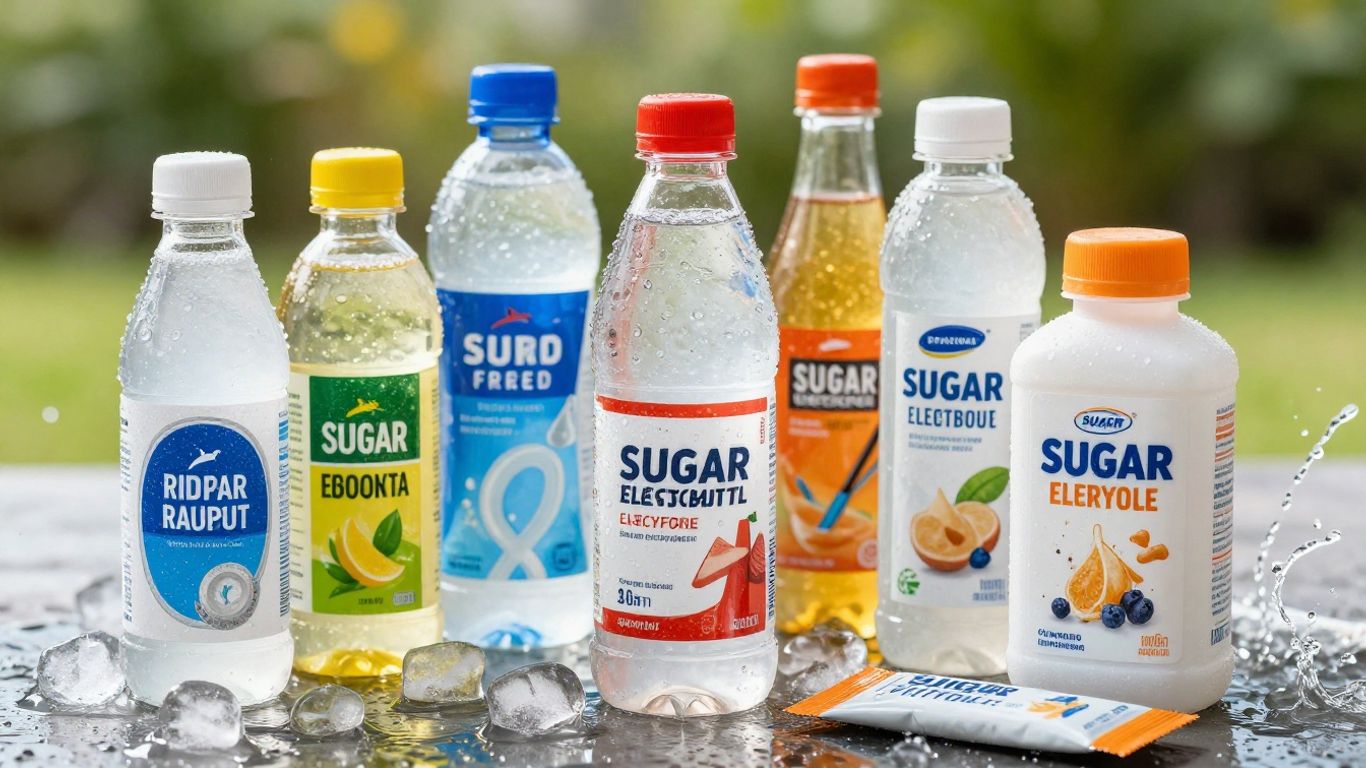
Okay, so you’re looking for electrolyte drinks that won’t mess with your sugar intake. That’s a smart move, especially if you’re watching carbs or just trying to stay healthy. The market has exploded with options, and honestly, it can be a bit much to sort through. But don’t worry, I’ve checked out some of the big players that are really making a name for themselves in the sugar-free space. These are the ones that seem to get it right, balancing effectiveness with taste and clean ingredients.
LMNT: The High-Sodium Benchmark
LMNT has become a go-to for many, and it’s easy to see why. They really lean into the high-sodium aspect, which is exactly what heavy sweaters or people training in the heat need. If you’re someone who loses a lot of salt, this stuff is designed to replenish it effectively. It’s a simple formula, which I appreciate. You get a solid dose of sodium, plus potassium and magnesium. They use stevia for sweetness, so if you’re sensitive to that, it’s something to keep in mind. The unflavored version is there if you’re not into sweeteners at all. It’s definitely not a low-sodium option, so be aware of that, but for serious replenishment, it’s a benchmark for a reason.
- Key Features:
- High sodium content (around 1,000 mg per packet)
- Zero sugar
- Contains potassium and magnesium
- Sweetened with stevia
- Best For: Heavy sweaters, hot weather training, low-carb/keto diets.
Transparent Labs Hydrate: Clean and Transparent Ingredients
Transparent Labs is all about being upfront with what’s in their products, and that’s a big plus for me. Their Hydrate powder is a solid choice if you want a clean ingredient list. It packs a good amount of sodium (about 500 mg per serving), along with potassium and magnesium. They use stevia extract, so again, that stevia taste is present. What I really like is their commitment to third-party testing; you can actually see the results, which builds a lot of trust. The flavors are interesting, though maybe not as intensely sweet as some other options out there. It’s not the cheapest, but if you’re serious about avoiding sugar and want to know exactly what you’re putting in your body, it’s a good investment.
Transparency in supplements is key. Knowing that a product has been tested by an independent lab gives you peace of mind that you’re getting what the label says you are, without any unwanted contaminants.
- Sodium: ~500 mg per serving
- Sweetener: Stevia extract
- Other Minerals: Potassium, Magnesium
- Pros: Third-party tested, clean ingredients, good mineral balance.
Redmond Re-Lyte and Salty Hydration: Real Salt and Trace Minerals
Redmond’s Re-Lyte is built on the idea of using Redmond Real Salt, which is unrefined sea salt with a bunch of trace minerals. It’s a zero-sugar option that offers a good balance of electrolytes. You get sodium, potassium, and magnesium, and it’s also sweetened with stevia. It’s a great choice for daily hydration or for athletes who prefer the taste of real salt. On the other hand, Salty Hydration aims to give you more than just the basic sodium and potassium. They claim to include over 72 trace minerals, which is pretty neat if you’re looking for a broader mineral spectrum without any sugar. Like the others, it uses stevia and monk fruit for sweetness. The sodium content is a bit lower per serving compared to LMNT or Re-Lyte, so for really intense, long sessions, you might need to double up. It’s good to check out Redmond’s Re-Lyte if you’re interested in their approach to real salt and minerals.
Benefits of Sugar Free Electrolytes in Everyday Hydration
So, you’re thinking about upping your hydration game, maybe cutting back on sugar, and wondering what’s in it for you? It turns out, sugar-free electrolyte drinks are more than just a trendy beverage; they can actually make a real difference in how you feel day-to-day. They help keep your body running smoothly without the unwanted sugar crash.
Preventing Dehydration and Fatigue
Dehydration isn’t just about feeling thirsty. It can sneak up on you, leading to that sluggish, tired feeling that makes even simple tasks feel like a marathon. When you’re not getting enough fluids, or when your body loses too many minerals through sweat, your system gets out of whack. Sugar-free electrolyte mixes can help replenish those lost minerals, like sodium and potassium, which are key players in keeping your body’s fluid balance in check. This means you can potentially ward off that midday slump and feel more alert throughout the day. It’s like giving your body a little tune-up.
Suitable for Low-Carb and Keto Lifestyles
If you’re following a low-carbohydrate or ketogenic diet, you know that managing your electrolyte intake is pretty important. These diets can sometimes lead to a loss of electrolytes, especially in the beginning. Traditional sports drinks are often loaded with sugar, which doesn’t fit the low-carb plan. That’s where sugar-free electrolyte powders shine. They provide the necessary minerals without adding carbs or sugar, making them a perfect companion for anyone sticking to a keto or low-carb eating style. You can stay hydrated and support your body’s needs without compromising your diet goals. Many people find these drinks help them stick to their dietary plans more easily.
Supporting Brain and Muscle Function
Ever get that fuzzy feeling, like your brain isn’t quite firing on all cylinders? Or maybe you’ve experienced those annoying muscle twitches or cramps? Electrolytes play a big role here. Sodium, potassium, and magnesium are vital for nerve signals that tell your muscles to contract and relax, and they’re also important for brain function. When these minerals are balanced, your brain can communicate more effectively, and your muscles can work as they should. For athletes, this means better performance and quicker recovery. But even for those of us just going about our daily lives, proper electrolyte balance can contribute to clearer thinking and smoother physical movements. It’s amazing how these tiny minerals can have such a large impact on how we feel and perform.
When you’re choosing a sugar-free electrolyte drink, it’s always a good idea to check the ingredient list. Some products might use artificial sweeteners or flavors that some people prefer to avoid. Looking for options with natural sweeteners like stevia or monk fruit, and natural flavors derived from fruits and vegetables, can be a good move if you’re aiming for a cleaner product. This way, you get the hydration benefits without any unwanted extras.
Here’s a quick look at what electrolytes do:
- Sodium: Helps maintain fluid balance and nerve function.
- Potassium: Supports muscle contractions and fluid balance.
- Magnesium: Involved in over 300 bodily processes, including muscle and nerve function, and energy production. You can find magnesium effervescent tablets that are a convenient way to get this mineral.
- Chloride: Works with sodium to maintain fluid balance.
When and How to Use Sugar Free Electrolyte Powders
Electrolyte powders without sugar are not just for athletes—they fit into all sorts of routines, from daily office life to weekend workouts. Here’s how to get the most out of them, and where they might make the biggest difference.
Daily Hydration and Office Use
Most of us aren’t running marathons at our desks, but that doesn’t mean our bodies stay hydrated by accident. If you spend your days indoors, sitting at a computer or in meetings, long stretches without water (or too much coffee) can sneak up on you. Sugar free electrolyte powders come in handy here for a few reasons:
- They help make plain water less boring, so you drink more throughout the day.
- They support hydration when air conditioning or heating dries you out.
- If you eat a very low-carb diet, you might be low on sodium and potassium, which these powders can help replenish.
| Situation | When to Use Electrolyte Powders |
|---|---|
| Hot or dry office | Once or twice a day, especially in the afternoon |
| Lots of coffee or tea | Add electrolytes to offset some fluid loss |
| Very low-carb or keto diet | Use as needed to avoid "keto flu" symptoms |
There’s something about sipping a flavored drink in the afternoon that feels like a mini break from work, even if you’re still at your desk.
Workouts, Endurance Sessions, and Recovery
Whether you’re a runner, cyclist, or hit long gym sessions, your sweat contains more than just water. Sugar free electrolyte powders are ideal when you want the minerals without the added carbs. They’re especially helpful:
- Before training, to top off sodium and potassium stores if you know you’ll sweat a lot.
- During workouts longer than 60–90 minutes, especially in heat, to keep cramps at bay.
- After exercise, to reset your mineral balance and help your muscles recover.
Keep in mind:
- Everyone sweats a different amount, so you may need to experiment with serving size.
- If you’re using other fuel sources (like gels or sports chews), stick to sugar free powders so you’re not doubling up on carbs.
- People with high sweat rates or who notice salty sweat marks will benefit the most.
Tips for Tasting and Mixing
Mixing up electrolyte drinks isn’t tough, but people can be picky about flavor and texture. Here’s what helps:
- Always start with less powder, then add water to adjust flavor strength.
- Use cold water—room temp makes mineral tastes stand out more.
- Try single-serve packets for travel and quick mix-ups on the go.
- Some folks are sensitive to stevia or monk fruit—test a few brands to find what works best for you.
If you notice you’re still feeling sluggish or groggy after hydrating, there may be other factors at play, like stress or lack of sleep. For those, you might want to check out causes of headaches and brain fog as well.
Adding the right sugar free electrolyte can turn your hydration from a chore into a routine you actually like. Just don’t forget: not every moment calls for a powder—sometimes, plain water is all you really need.
Avoiding Common Pitfalls in Sugar Free Electrolyte Choices
It’s easy to get excited about sugar-free electrolyte options, thinking you’ve found the perfect hydration solution. But hold on a second, because not all "sugar-free" labels are created equal, and some marketing can be a bit… creative. We need to be smart consumers here.
Hidden Sugars and Marketing Tricks
This is where things get tricky. You grab a bottle or a packet that screams "zero sugar," but then you look at the nutrition facts and see a few grams of sugar lurking there. Sometimes, sugar is listed under different names, like dextrose or maltodextrin, which can be confusing. Always double-check the Supplement Facts panel for the actual grams of sugar per serving. Don’t just trust the front of the package. Some brands might use terms like "natural flavors" or "fruit extracts" that can sometimes hide small amounts of sugar. It’s a bit of a treasure hunt to find the truly sugar-free options.
Reading the Fine Print on Supplement Facts
So, what exactly should you be looking for? It’s all about the details. Here’s a quick checklist:
- Sugar Content: Aim for 0g of sugar per serving. If it says anything more, it’s not truly sugar-free.
- Sodium Levels: This is super important and depends on your activity. Heavy sweaters or those in hot climates might need more sodium than someone just sipping at their desk. Look for products that specify sodium content, often ranging from 300mg for daily use to over 1000mg for intense workouts.
- Artificial Ingredients: Many people prefer to avoid artificial sweeteners (like sucralose or acesulfame potassium), colors, and flavors. Check the ingredient list carefully if this is a concern for you.
- Third-Party Testing: For athletes, especially those competing, look for certifications like NSF Certified for Sport or Informed Sport. This means the product has been tested for banned substances and contaminants.
It’s not just about avoiding sugar; it’s about understanding what you’re putting into your body. Some zero-sugar drinks might use artificial sweeteners that don’t agree with everyone, leading to digestive upset or just an unpleasant taste. Prioritizing clean ingredients can make a big difference in how you feel.
Managing Taste Preferences and Sweetener Sensitivities
Let’s be honest, taste matters. If you hate how a drink tastes, you’re not going to use it, no matter how many electrolytes it has. Many sugar-free drinks rely on natural sweeteners like stevia or monk fruit. While these are great alternatives to sugar, some people are sensitive to their taste, finding them to have a bitter or lingering aftertaste. LMNT, for example, is known for its strong flavor profile that some love and others find too intense due to the stevia. If you’re not a fan of sweeteners, look for unflavored options or brands that offer a less pronounced sweetness. You can often adjust the concentration by adding more water if a flavor is too strong for your liking. Trying single-serving packets before buying a large tub is a smart move to avoid ending up with a flavor you can’t stand.
The Future of Sugar Free Electrolyte Formulations
The sugar free electrolyte drink space is changing fast. New research, better ingredient options, and more picky customers are driving companies to rethink what goes in these mixes. Let’s look at where things are headed as 2026 unfolds.
Emerging Natural Ingredients Trends
- Companies are blending in new plant-based sweeteners like monk fruit and allulose, moving beyond stevia alone.
- Natural flavor sources are seeing a boost, with more drinks tapping into real fruit and herbal extracts instead of generic "natural flavors."
- Improved mineral sourcing is a big focus, especially cleaner magnesium and potassium salts, plus trace minerals from real salt—just check out options enhanced with mineral drops for daily hydration.
- Some brands are experimenting with added adaptogens or amino acids for recovery and mental clarity.
Personalized Hydration and Smart Blends
Smart packaging and mix-and-match powders are showing up more. Here’s what this looks like:
- Hydration sachets personalized by sweat rate or DNA test.
- Tracking apps that suggest blends based on your activity and temperature.
- Modular packs—add more sodium or magnesium as needed.
A few companies are even rolling out bottle caps that dispense electrolytes right when you fill up—a big step toward custom hydration on the go.
Third-Party Testing and Transparency in 2026
Transparency is the headline for 2026. Folks want to know what they’re drinking—no mystery blends or hidden sweeteners. Keep an eye out for:
- Universal QR codes on packaging that show lab results and quality details.
- Real-time batch tracking so you can see exactly where minerals come from.
- Clear breakdowns of sugar content, all the way to 0 grams for true sugar free picks (especially as this market segment grows, now projected to hit $0.52 billion in 2026—see sugar-free electrolyte powder market growth).
The future is all about choice, clean labels, and trust. As brands compete, it’s going to get easier for everyone to find the right formula—no guessing games necessary.
Bottom line: Sugar free electrolyte drinks in 2026 are all about natural ingredients, personal fit, and honest labeling.
Conclusion
Finding the right sugar free electrolyte drink in 2026 isn’t as tough as it might seem. There are plenty of choices out there now, from salty mixes to fruit-flavored powders, and most are easy to use at home or on the go. The main thing is to check the labels, watch out for sneaky sugars or fake stuff, and pick what matches your needs—whether that’s for daily sipping or tough workouts. Hydration doesn’t have to be complicated. Just stick to a formula you like, keep it simple, and remember to listen to your body. That’s really all there is to it.
Frequently Asked Questions
What is a sugar free electrolyte drink?
It’s a drink mix or powder that gives your body important minerals like sodium and potassium, but without any added sugar.
Why should I choose a sugar free electrolyte drink?
If you want to avoid extra sugar or are on a low-carb diet, these drinks help you stay hydrated and support your muscles without messing up your diet.
Are artificial sweeteners in electrolyte drinks safe?
Most are considered safe, but some people don’t like the taste or might feel weird after drinking them. If that’s you, look for drinks with natural sweeteners like stevia or monk fruit.
When should I drink a sugar free electrolyte mix?
You can use them during workouts, after sweating a lot, or just for daily hydration, especially if plain water gets boring.
Will a sugar free electrolyte drink taste salty?
Some do taste salty, especially the high-sodium ones like LMNT. If you don’t like that, try adding more water or look for brands with milder flavors.
Can kids drink sugar free electrolyte drinks?
Usually yes, but it’s best to check with a doctor first, especially for young kids or if they have health problems.
Related Posts
Electrolyte supplements keto: How to choose the right formula, dosage, and timing
The essential guide to silver oxide: properties, applications, and safety
The ultimate guide to Trace Power Pak electrolytes: Benefits, usage, and ingredients
The complete guide to daily mineral drops for optimal health
A guide to using Trace keto electrolyte powder for optimal hydration
The essential guide to trace minerals multivitamin supplementation
The ultimate guide to natural magnesium oil for health and recovery
The benefits and usage of dissolvable magnesium tablets: A comprehensive guide
