
- You are here:
- Home »
- All Articles »
- The ultimate guide to choosing the best sugar-free electrolyte powder
The ultimate guide to choosing the best sugar-free electrolyte powder
Key Takeaways
Selecting the right hydration strategy starts with understanding your specific physiological needs and the importance of mineral replenishment. When choosing an effective supplement, prioritize clean labels and functional ingredients to support your active lifestyle.
- Prioritize electrolyte powders with sodium, potassium, and magnesium for optimal muscle function.
- Choose sugar-free options to avoid unnecessary blood sugar fluctuations and caloric intake.
- Verify labels for natural sweeteners and essential trace minerals rather than artificial fillers.
- Assess your personalized sweat rate to determine the right electrolyte concentration for your activity.
- Incorporate hydration strategies consistently to manage long-term fatigue and physical performance.
Understanding electrolytes and why you need them
Electrolytes are essential minerals that carry an electric charge when dissolved in fluid, playing a pivotal role in maintaining fluid balance, muscle contraction, and nervous system signaling. When you sweat, your body loses these vital components, which can quickly lead to fatigue or cramping if they are not replaced effectively. Understanding how your body utilizes these building blocks helps you perform better during workouts and recover faster afterward.
The role of sodium, potassium, and magnesium
Sodium is the primary electrolyte lost in sweat and acts as the gatekeeper for fluid retention in your cells. Potassium works in tandem with sodium to manage blood pressure and cellular signaling, while magnesium supports over 300 biochemical reactions, including muscle relaxation and energy production. Without these minerals, your body struggles to regulate its internal environment during physical stress.
Signs of electrolyte imbalance in active individuals
Common indicators that you are losing too many minerals include frequent muscle cramps, persistent headaches, or a general feeling of lethargy despite drinking water. If you find yourself craving salty foods after exercise that is a classic red flag that your stores have been significantly depleted. Persistent deficiencies can also lead to heart palpitations and dizziness, which should never be ignored during high-intensity training.
How your body uses electrolytes during exercise
During physical exertion, your cardiovascular system relies on electrolytes to keep your heart pumping efficiently and your muscles firing correctly. If you are not replenishing these through a Skratch Labs mix or similar replenishment strategy, your physical performance will drop. Your body relies on a constant loop of mineral uptake and depletion to sustain high-output movement over time.
Why choose sugar-free electrolyte powders
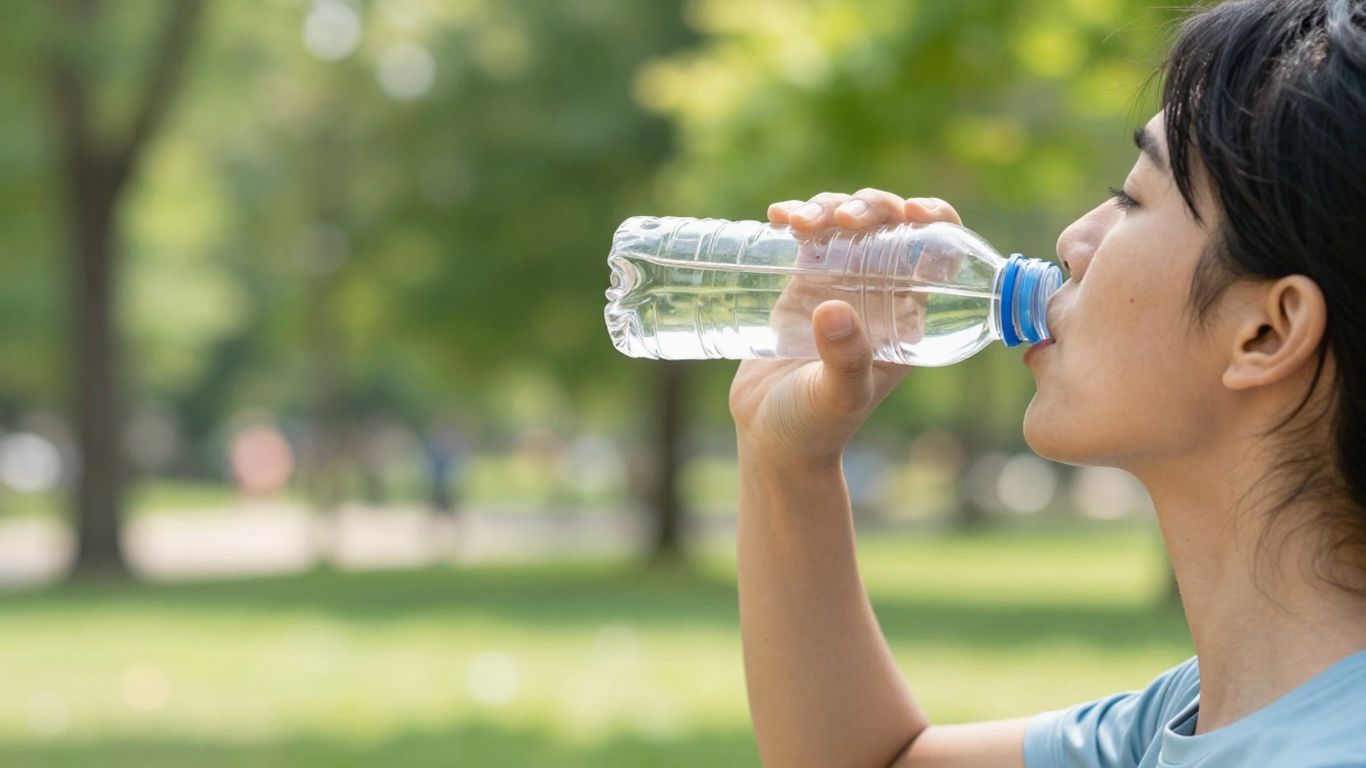
Choosing an electrolyte powder sugar free is a smart move for anyone looking to optimize their metabolic health while maintaining performance. High sugar content in many standard sports drinks can lead to rapid energy crashes and GI distress, which is why many athletes are shifting toward cleaner alternatives. Relying on non-sugared formulas allows you to control your carbohydrate intake precisely, fueling as needed through real food rather than liquid sugar.
Preventing blood sugar spikes
When you ingest sugary sports drinks, your blood glucose levels rise rapidly, followed by an inevitable insulin surge that leads to lethargy. By avoiding added sugars, you keep your energy profiles stable, which is crucial for endurance sessions that span multiple hours. Maintaining a steady baseline allows your muscles to utilize existing glycogen stores more efficiently.
Reducing unnecessary calorie intake
Many conventional hydration products contain as many calories as a small meal, which can disrupt your daily caloric budgeting. Switching to a formula from Sqwincher Zero Sugar Free or similar brands allows you to focus on mineral replenishment without the caloric "bloat." This is particularly helpful for those attempting to manage their weight while staying adequately hydrated during peak training phases.
Benefits for keto and low-carb diets
For those following a ketogenic or low-carb lifestyle, excess sugar intake is a direct path to exiting ketosis. Sugar-free powders ensure that your hydration routine does not interfere with your metabolic goals. By prioritizing zero-sugar electrolytes, you remain fully fat-adapted even on days when your training demands high levels of fluid replacement.
Key ingredients to look for on a label
When scanning the back of a container, it is easy to get overwhelmed by complex chemical names and marketing terms. The best approach is to seek out simple, recognizable minerals and avoid anything that sounds like a lab experiment. Transparency in formulation is key to knowing exactly what you are fueling your cells with during a heavy session.
Natural sweeteners vs. artificial sweeteners
While avoiding sugar-free options is ideal, some products use stevia, monk fruit, or erythritol to improve flavor profile. These are generally preferred over artificial options like sucralose or aspartame, which can cause digestive issues for some people. Choosing Pedialyte Electrolyte Zero or similar transparent formulas helps you avoid these common additives.
Essential trace minerals to prioritize
| Mineral Group | Primary Benefit | Daily Importance |
|---|---|---|
| Sodium | Fluid retention | High |
| Potassium | Heart function | High |
| Magnesium | Muscle recovery | Moderate |
Understanding these primary minerals confirms why you should look for profiles that mirror natural losses. While checking for these on the label, you can also consider incorporating liquid magnesium supplements for added recovery benefits. Balancing these through proper dietary monitoring will provide more lasting energy than a simple dose of table salt.
Avoiding fillers and unnecessary dyes
Many commercial brands add artificial coloring, thickeners, and preservatives to make their products appear more vibrant. These ingredients provide absolutely no performance benefit and can irritate the digestive tract during intense efforts. Always opt for powdered supplements that list only active mineral salts, natural flavorings, and perhaps a small amount of non-digestible fiber or zero-calorie sweeteners.
How to identify your hydration needs
Your specific hydration needs are not static; they fluctuate based on ambient temperature, humidity, and the intensity of your movement. It is often helpful to understand the trace mineral drops science to see how micro-nutrients influence your overall fluid storage capacity. Calculating your net weight difference before and after a workout can offer a rough but effective baseline for your fluid needs.
Factors influencing sweat rate and salt loss
Every individual has a unique "saltiness" to their sweat that is determined by genetics and acclimatization to heat. If you consistently find white streaks on your clothing, you are likely a heavy sweater who requires higher sodium levels. Monitoring your sweat rate over different seasons is the single best way to calibrate your intake correctly.
Adjusting intake for high-intensity training
- Pre-hydrate with at least 16 ounces of fluid two hours before starting.
- Sipping throughout the session to prevent large fluid deficits.
- Monitoring for dizziness or extreme fatigue during long efforts.
- Replenishing with a post-workout recovery plan to replace lost salts.
These steps ensure that you remain ahead of exhaustion rather than constantly playing catch-up. Adherence to a consistent schedule allows your body to optimize its electrolyte uptake in real-time.
Monitoring hydration based on daily activity levels
On rest days, your requirement for concentrated electrolyte powders is significantly lower than on training days. Always look into mineral pills choices for days when you aren’t hitting the pavement, as daily maintenance is just as critical as training-day performance. Keep your fluid intake consistent, but allow your salt sodium consumption to ebb and flow with your actual workload.
Tips for incorporating powders into your daily routine
Integrating the right powder into your daily life should feel effortless rather than like another chore on your list. Much like using a Claude logic model to solve complex work flows, you can systematically plan your hydration to fit your circadian rhythm. Small, consistent adjustments usually prove more effective than sporadic, high-dose consumption.
Combining with water-dense foods
Eating vegetables like cucumber, celery, and watermelon alongside your electrolyte water enhances absorption while adding necessary crunch. These foods act as a natural delivery vehicle for fluids, especially on hot summer days. This approach keeps you feeling satisfied while ensuring your mineral levels remain consistent throughout the day.
Timing your consumption for maximum absorption
Drinking a glass of mineral-rich water first thing in the morning can prime your body for the day ahead. If you have a training goal, the hour before and the hour during the session are the most critical times for absorption. Consistency during these windows dictates how effectively your muscles will recover.
Managing taste preferences without added sugars
Often, the main hurdle to staying hydrated is the taste of the mineral blend itself. If you find your current mix unpalatable, consider mixing it into tea or using a small drop of lemon juice to cut the saltiness. Finding a product that suits your palate is essential, as you are much more likely to actually drink what you enjoy.
Safety and potential side effects
Always ensure you are utilizing products designed for safe consumption, like finding fulvic acid sources that prioritize purity and lab testing. Over-zealous supplementation can lead to an electrolyte overload if you are not careful, causing nausea or digestive distress. Listen to your body and pull back if you notice any persistent discomfort.
When to consult a healthcare professional
If you have high blood pressure, pre-existing kidney issues, or are taking medications that affect electrolyte levels, you must consult your doctor. Electrolyte balance is a delicate system and systemic changes to your intake can have real health impacts. Professional guidance ensures you are moving toward better performance rather than risking your foundational wellness.
Understanding intake limits for specific populations
Athletes, elderly populations, and manual laborers all have differing mineral requirements based on their output and metabolism. There is no one-size-fits-all dosage; what works for a marathon runner will likely be far too much for a desk-bound professional. Always start at the lower end of the recommended usage and increase slowly based on your training feedback.
Navigating sugar alcohols and digestive sensitivity
Some sugar-free formulas rely on sugar alcohols like xylitol or sorbitol, which are famous for causing bloating or diarrhea in susceptible individuals. If you notice persistent gas after switching, check for these ingredients and look for alternatives using stevia or natural fruit extracts. Your comfort is just as important as your performance during any training block.
Conclusion
Mastering your electrolyte intake is a long-term investment in your physical longevity, ensuring your body functions optimally whether you are pushing through a workout or simply moving through your day. By filtering out unnecessary sugars, prioritizing quality mineral components, and paying close attention to your body’s unique feedback mechanisms, you can build a hydration strategy that fuels achievement without compromise.
Frequently Asked Questions
Can I just use sea salt instead of sugar-free electrolyte powders?
While sea salt provides sodium, it lacks the broader mineral spectrum like potassium and magnesium necessary for full recovery. Electrolyte powders are formulated to provide a balanced ratio that matches sweat losses, which salt alone cannot achieve.
Do sugar-free electrolyte powders actually work for endurance athletes?
Yes, these powders are highly effective for endurance athletes who rely on separate, calorie-dense fueling strategies. They provide the necessary electrical conductivity for muscle function without adding extra calories that can cause digestive issues during long races.
How long does it take for electrolyte powders to start working?
Electrolytes begin to enter the bloodstream within twenty to thirty minutes when consumed in liquid form. However, consistent intake over several days is the most effective way to build a reliable physiological baseline.
Should I take electrolyte powders on days when I don’t exercise?
Generally, you can get sufficient electrolytes from a balanced diet on rest days. If you find your electrolyte intake drops significantly, a half-dose of powder mixed into water is usually enough to maintain fluid balance without overdoing it.
Are there any dangers to zero-sugar powders?
If you are prone to digestive issues, watch out for sugar alcohols that can irritate the stomach lining. Otherwise, they are safe for most individuals as long as you do not ingest massive quantities far exceeding the recommended daily label portions.
What do I look for to check the quality of an electrolyte powder?
Look for third-party testing certifications and clear, digestible ingredient lists on the back panel. A focus on ionic mineral forms typically indicates higher bioavailability and better research-backed manufacturing standards.
How do I know if I am overdoing my electrolyte intake?
Signs of over-supplementation often include mild nausea, bloating, or excessive thirst. If you feel these symptoms, stop the supplement and allow your body to reset, and consider adjusting the concentration of your mix.
Related Posts
Electrolyte supplements keto: How to choose the right formula, dosage, and timing
The essential guide to silver oxide: properties, applications, and safety
The ultimate guide to Trace Power Pak electrolytes: Benefits, usage, and ingredients
The complete guide to daily mineral drops for optimal health
A guide to using Trace keto electrolyte powder for optimal hydration
The essential guide to trace minerals multivitamin supplementation
A comprehensive guide to using mineral powder for water
The ultimate guide to natural magnesium oil for health and recovery
