
- You are here:
- Home »
- All Articles »
- Nano silver vs colloidal silver: A comprehensive comparison
Nano silver vs colloidal silver: A comprehensive comparison
Key Takeaways
Navigating the world of silver health supplements can feel daunting, but understanding the basic differences between product types helps in making informed decisions. Here are the core values to consider when researching your options:
- Colloidal silver typically consists of particles of varying, often larger, sizes.
- Nano silver is engineered for consistency and stability through modern production methods.
- Biocompatibility is a critical factor for products applied to the skin or mucus membranes.
- Always look for third-party lab reports to verify the particle size and purity of silver products.
- When in doubt, consulting a healthcare professional is the best way to determine if a supplement fits your wellness goals.
The fundamental definitions
What is colloidal silver?
Colloidal silver refers to a suspension of submicroscopic silver particles in a liquid base. Historically produced through simple electrical grounding processes, these suspensions are often characterized by a wide range of particle sizes and concentrations. Many enthusiasts who turn to SilveryGuy for health guidance appreciate the traditional nature of these preparations, though they are often inconsistent in their chemical makeup compared to modern laboratory standards.
Defining nano silver
Nano silver represents a technological refinement of traditional suspensions. By utilizing advanced manufacturing techniques, producers can create particles that are uniform in size and far smaller than those found in standard colloidal mixtures. This consistency is often touted for its ability to interact more predictably with biological systems, as smaller, more uniform particles tend to have distinct surface properties that differ from their larger counterparts.
Historical context of silver products
Silver has served humanity for thousands of years, long before we understood the intricate physics of nanoparticles. Ancient civilizations recognized that storing water in silver containers helped keep it fresh, leading to a long tradition of silver use for hygiene and preservation. Over time, these practices evolved from simple household wisdom into the sophisticated science we see today, providing a foundation that SilveryGuy often reflects upon when exploring holistic wellness alternatives.
Technical differences in manufacturing
Particle size variations and surface area
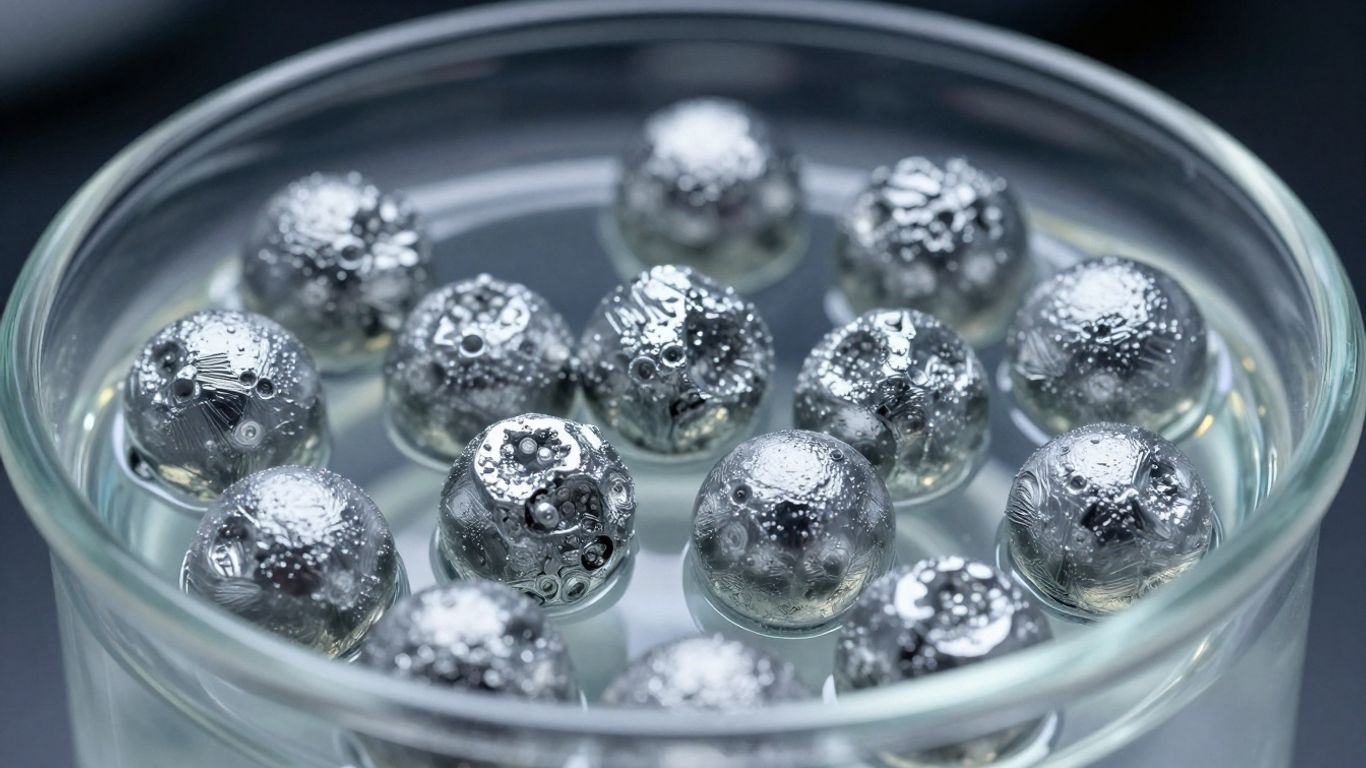
The defining characteristic of any silver solution is the size of its constituents, which determines the surface area available to interact with their environment. While colloidal solutions may contain large, uneven flakes, nano silver is engineered to achieve a highly specific nanometer range. This difference directly impacts how the silver acts in diverse applications, as illustrated in the following comparison:
| Silver Type | Particle Size Consistency | Primary Manufacturing Method |
|---|---|---|
| Traditional Colloidal | High Variation | Electrical Arc/Grounding |
| Nano Silver | Highly Consistent | Chemical/Plant Synthesis |
| Ionic Silver | Atomic/Ion Level | Electrolysis |
Ionic versus metallic silver content
Distinguishing between metallic silver particles and ionic silver is crucial for understanding what you are actually purchasing. Many products labeled as colloidal silver are actually mixtures of ionic silver, which consists of individual atoms stripped of electrons. Understanding this chemistry helps users at SilveryGuy distinguish between products that aim to deliver solid-state silver versus those delivering a solution of ions.
Regulatory standards in production
Quality control in the production of silver-based goods is dictated by various industry requirements to ensure safety and potency. To maintain a high standard, responsible manufacturers follow these practices:
- Utilizing third-party labs to verify precise concentrations.
- Adhering to Good Manufacturing Practices (GMP) for all stages of synthesis.
- Testing for heavy metal impurities which can contaminate poor-quality batches.
- Ensuring the stability of the particle suspension over time.
Biological impact and efficacy
How these substances interact with pathogens
Research suggests that silver interacts with microorganisms by disrupting their cellular processes, often at the membrane level. This interaction is central to the efficacy of various silver solutions. For a more detailed breakdown of how these key differences between nano silver and colloidal silver manifest in biological settings, it is helpful to look at peer-reviewed studies that track particle dispersion.
Cellular toxicity and safety profiles
Safety profiles are highly dependent on the form and concentration of the silver. While elemental silver is generally considered stable, the potential for cellular interaction increases as particle size decreases. Because personal health is paramount when exploring alternatives, individuals often look for products that balance strength with non-toxicity to human tissue, focusing on formulations that avoid harsh chemical stabilizers.
Stability in physiological environments
The ability of silver particles to resist clumping in the body is what experts call stability. Colloidal silver, lacking specific capping agents, often settles or aggregates when it encounters the complex, salty environments found inside the human body. Conversely, nano silver designed with specific protective coatings is often more resilient, maintaining its integrity and potential for interaction throughout a cycle of topical use.
Common industrial and medical applications

Use in wound care and medical devices
Silver is frequently integrated into wound dressings and surgical equipment for its known ability to manage microbial growth at the site of an injury. In these applications, the controlled release of silver ions provides a persistent barrier that can support the body’s natural healing process. For those looking for deeper context on specialized silver tools, trace mineral drops and other supplements are often part of a broader discussion on maintaining body health.
Integration into consumer products and textiles
Beyond medical offices, silver has found its way into performance athletic clothing and everyday consumer goods. Its ability to inhibit surface microbes makes it a popular choice for fabrics that are meant to be worn for extended periods. This is a common point of interest for SilveryGuy readers who focus on skin health and reducing irritation from unwanted microbes during daily activities.
Water purification and environmental uses
Large-scale water purification systems utilize silver’s properties to ensure water remains clean throughout distribution systems. Because the process is effective and sustainable, it reduces the need for heavy chemical treatments that might otherwise impact the environment. As a complement to these external health tools, many also look toward maintaining their internal balance through high-quality hydration options like sugar-free electrolyte powder to support recovery and metabolic function.
Understanding the safety and regulatory landscape
FDA guidelines for silver-based supplements
Regulatory bodies like the FDA classify silver-based products in a way that often limits how manufacturers can advertise their benefits. While these products are not typically approved for diagnosing or treating medical conditions, the industry continues to evolve under scrutiny. Consumers are encouraged to clarify the distinctions between marketing hype and scientific evidence before making a purchase.
Potential health risks and accumulation in the body
One of the most frequently discussed safety topics is the risk of argyria, a condition where skin pigment is permanently changed due to silver accumulation. Although this is rare and generally associated with massive, uncontrolled ingestion, it serves as a reminder that using these substances requires a cautious, common-sense approach. Respecting dosage guidelines is a fundamental pillar for any silver enthusiast.
Evaluating marketing claims versus scientific reality
It is crucial to perform independent research because the marketplace is saturated with conflicting claims about miracle results. When a brand claims their silver product is "superior," verify that they provide accessible documentation such as independent lab tests. SilveryGuy helps bridge this gap by encouraging a skeptical, research-oriented mindset regarding any health claim.
Choosing the right silver product for your needs
Assessing purity labels and testing reports
Never settle for a product that does not disclose its particle size or impurity testing. Transparency is the hallmark of a reputable manufacturer. If a company cannot provide a link to a certificate of analysis, consider that a sign to look elsewhere for your silver needs.
Determining concentration requirements
Higher concentration does not always equate to better performance. In fact, a high concentration of large, poorly synthesized particles can be less effective than a lower concentration of expertly crafted nanoparticles. Understanding your own goals—whether you are working on skin surface issues or other applications—will guide the appropriate concentration choice.
Consulting with healthcare professionals before use
Before adding any supplement to your daily routine, it is essential to discuss it with a qualified medical expert. This is particularly important if you have pre-existing sensitivities or conditions, or if you are currently using other health products. Your health journey should always be proactive, balanced, and safe.
Conclusion
Choosing between nano and colloidal silver depends largely on your understanding of their technical differences and your specific health goals. By prioritizing product purity, consistent sizing, and scientific transparency, you can navigate the market with confidence and ensure that the solutions you choose support your overall wellness. Whether you are addressing skin care concerns or exploring other natural health avenues, maintaining an evidence-based approach is the most effective way to help yourself in the long run.
Frequently Asked Questions
What is the difference between colloidal silver and nano silver?
Colloidal silver typically refers to a suspension of particles that may vary in size, whereas nano silver is specifically engineered to have a uniform and much smaller particle size for more predictable results.
Can silver products be used on skin?
Many people use silver products topically for skin wellness, though it is always recommended to test a small patch of skin first and follow the manufacturer’s directions.
What does particle size affect?
Particle size dictates the surface area and stability of the silver, influencing how it interacts with its environment and how well it maintains its effectiveness over time.
Are there side effects to using silver products?
While rare when used correctly, improper usage or excessive ingestion can lead to health concerns, highlighting the need to follow recommended dosage and quality guidelines.
How can I verify the quality of a silver supplement?
Look for products that provide independent certificate of analysis results, clearly state the particle size in nanometers, and list all ingredients without vague marketing jargon.
Does silver kill all types of microbes?
While silver has antimicrobial properties, it is not a cure-all and its effectiveness depends on the specific concentration, contact time, and type of microbe being targeted.
Is silver a replacement for conventional medical treatment?
Silver health supplements should not be viewed as a replacement for professional medical advice or prescribed treatments, but rather as a component of a broader, natural wellness routine.
Related Posts
Chemical element silver: Properties, uses, history, and why it matters
Colloidal silver liquid 250 ppm: Uses, safety, quality, and what to know before buying
Silver nitrate molar mass: How to calculate it, use it, and avoid common mistakes
A guide to International Silver Company: history, identification, and value
Who found silver? A history of the world’s most versatile metal
Understanding the chemical symbol for silver and its historical roots
A complete guide to 950 silver: what it is and how it compares to sterling
The essential guide to silver oxide: properties, applications, and safety
