
- You are here:
- Home »
- All Articles »
- Milk thistle skin rash: possible causes, symptoms, and what to do
Milk thistle skin rash: possible causes, symptoms, and what to do
Key Takeaways
A rash that appears after starting milk thistle could be an allergic reaction, but timing alone cannot prove the cause. Pay attention to how symptoms change and seek care promptly for warning signs.
- Stop taking a suspected supplement and contact a healthcare professional for advice.
- Hives, itching, or redness can occur with an allergic reaction, but rashes have many possible causes.
- Swelling of the tongue or throat, breathing trouble, or fainting needs emergency attention.
- Save the product label and note the dose, timing, and any other new medicines or supplements.
- Do not try milk thistle again after a suspected reaction unless a clinician advises you to.
How milk thistle may be linked to a skin rash
A rash after taking milk thistle may be related to the plant, another ingredient in the product, or something unrelated that happened around the same time. Supplements can contain several ingredients, so the product label matters as much as the name on the front. A clinician can help assess the timing and pattern without assuming the supplement is definitely responsible. The phrase possible trigger, not proof is a useful way to think about the connection.
Allergic reactions to the plant or supplement ingredients
Some people may react to milk thistle itself or to another ingredient in a capsule, tea, or extract. People who have allergies to related plants may want to take particular care, though a history of plant allergy does not establish that someone will react to milk thistle. The milk thistle allergy overview discusses possible symptoms and risk factors; it should not replace individualized medical advice. If a reaction seems possible, stop taking the product and discuss it with a healthcare professional rather than testing it again at home.
Skin reactions reported after starting a supplement
A published case report described a person who developed a rare, widespread pustular rash after drinking milk-thistle infusions. A single report cannot establish that milk thistle caused the condition, and it does not tell us how likely such a reaction is. Still, it is a reminder that a new herbal product belongs on the list of possible exposures when a sudden rash is assessed. The reported milk-thistle case describes the unusual presentation and why other causes also need consideration.
Other possible causes of a rash
Rashes can follow infections, contact with a new soap or detergent, insect bites, heat, or a different medicine or supplement. Skin conditions may also flare without an obvious new exposure. If a rash appears after starting something new, consider the whole picture rather than focusing only on the most recent capsule. For example, some people track skin changes when they begin probiotics; this discussion of probiotics and itchy skin also notes that reactions can vary.
What a milk thistle-related rash can look like
There is no single appearance that confirms a milk thistle reaction. An allergic rash may involve itchy, red patches or raised welts, while other skin reactions can look quite different. Symptoms may stay in one area or spread, and the pattern can change over time. An image can help describe common skin changes, but it cannot diagnose an individual rash.
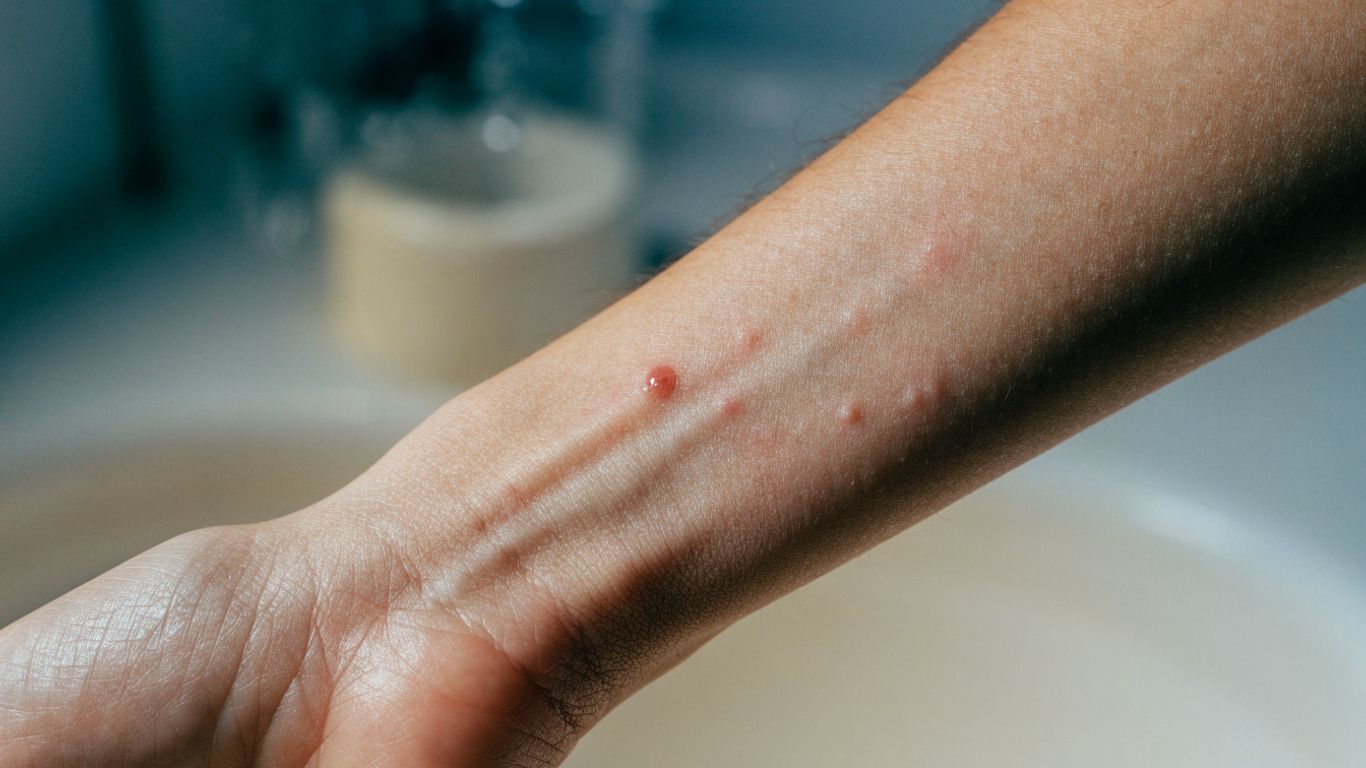
Itching, redness, or raised welts
Hives often appear as raised, itchy welts that may change shape or location over hours. Redness and itching can also occur with many other skin problems, so these features alone do not identify milk thistle as the cause. Note whether marks fade and reappear elsewhere, or remain fixed in one spot. A clear description of what the rash looks like can help a clinician decide what questions to ask next.
Swelling or other symptoms that may occur with a reaction
An allergic reaction can sometimes involve swelling around the face, lips, or eyes. Swelling of the tongue or throat, breathing difficulty, dizziness, or fainting can signal a severe reaction and requires emergency help. Other symptoms, such as fever or painful skin, may point to a condition that needs prompt assessment even if breathing is normal. This short video placeholder is included for a general overview of supplement-related skin reactions, not as a diagnostic tool.
How symptoms can vary from person to person
One person may have limited itching, while another may develop widespread welts or symptoms beyond the skin. The same person can also have a different experience with a different product or exposure. A rash may begin soon after a dose, but timing is variable and does not by itself prove an allergy. If symptoms evolve, take note of the changes instead of relying on a single snapshot.
Who may be more likely to react
Anyone can develop a reaction to a supplement, and risk cannot be predicted from a product label alone. A past allergy to milk thistle or an ingredient in a particular formula is especially important to discuss before use. The form and composition of supplements can differ, while existing health conditions and other medicines may complicate decisions about starting or stopping one. SilveryGuy publishes content on natural health and skin health, but that broad focus is not evidence that a supplement is safe for a particular person.
People with allergies to related plants
Milk thistle belongs to a plant family that includes ragweed and daisies, so people with allergies to related plants may wish to ask a clinician or pharmacist about possible cross-reactions. That association is a reason for caution, not a prediction that a reaction will happen. If you have had a serious allergic reaction before, seek personal guidance before trying a new herbal product. Avoid taking a supplement whose ingredient list includes something you already know you are allergic to.
Risks from combination products and added ingredients
A product sold as milk thistle may include other herbs, flavorings, fillers, or capsule materials. A combination formula can make it harder to identify which ingredient may be responsible if symptoms start. Before choosing a product, compare the full ingredient panel rather than relying on a front-label description. If you are unsure what an ingredient is, a pharmacist or clinician may be able to help interpret the label.
Why health conditions and medicines matter
Health conditions and prescription or over-the-counter medicines can affect whether a supplement is appropriate, even when the concern is a skin reaction. Tell a healthcare professional about all products you take, including vitamins and herbal preparations. For broader care tasks, this guide to secure medical file uploads explains ways to prepare and send records through an approved method. SilveryGuy’s stated interest in natural-health approaches does not replace checking a supplement decision with someone who knows your medical history.
How to assess a rash after taking milk thistle
A careful timeline can make a medical conversation more useful. Write down when you first took the product, when the rash appeared, and whether anything changed after you stopped. Include other recent exposures, since the supplement may be coincidental. A photograph taken in good light can help show how the rash looked at a particular point in time.

When symptoms started and how they changed
Record the first dose and the first sign of a rash, along with whether symptoms stayed in place, spread, or faded. Note any swelling, fever, breathing changes, or other symptoms, and when they occurred. A simple timeline can organize those details for an appointment; it is a record, not a way to diagnose yourself. If symptoms are severe or rapidly worsening, do not delay urgent care to finish documenting them.
What to note about the product and dose
Keep the container or take clear photos of the label, including the ingredient list, serving directions, lot number, and expiration date if available. It may help to write down how much you took and whether the product was a capsule, tea, powder, or liquid. These details are useful because formulations vary. When preparing for a visit, you can also note any questions about care logistics, such as whether a service offers breastfeeding and infant immunity information if that is relevant to your family.
Why a clinician may need to rule out other causes
A clinician may ask about infections, new skin products, foods, medicines, and other supplements to consider explanations beyond milk thistle. The rash’s appearance and associated symptoms can guide whether examination or further assessment is needed. A reported case of a rare reaction cannot tell whether another person’s rash has the same cause. A careful assessment is safer than treating the timing as proof.
One way to keep the discussion focused is to bring a short record of the most relevant details:
- The date and time the rash first appeared.
- The supplement name, dose, and complete ingredient label.
- Any other new medicines, foods, or skin products.
- How the rash changed and whether other symptoms occurred.
After gathering these details, let the clinician interpret them in context rather than trying to identify the cause from the list alone.
What to do if a rash appears
If a rash starts after taking milk thistle, avoid another dose while you seek advice, particularly if symptoms are spreading or persistent. Do not assume that an over-the-counter remedy is appropriate for every rash; the right response depends on its cause and severity. A healthcare professional can help decide what evaluation or symptom care is suitable. If severe symptoms develop, prioritize emergency help over routine follow-up.
When to stop the supplement and contact a clinician
Stop taking the suspected product and contact a clinician or pharmacist for guidance, especially if the rash is new, worsening, or accompanied by other symptoms. Keep the bottle or label available so the ingredients can be reviewed. If you have a known allergy to one of the listed ingredients, mention it clearly. Ask what to do about any other supplements or medicines rather than changing prescribed treatment on your own.
When symptoms need urgent medical attention
Call emergency services for trouble breathing, throat or tongue swelling, fainting, or rapidly worsening symptoms that suggest a severe allergic reaction. Seek urgent medical evaluation for widespread blistering, peeling skin, sores involving the eyes or mouth, or a rash with significant fever or severe illness. These warning signs should not be watched at home while waiting to see whether they pass. If you are uncertain about severity, contact emergency or urgent medical services for direction.
Why not to restart the product without medical advice
Taking another dose to see whether the rash returns could provoke a more serious reaction and is not a safe home test. Symptoms can also recur after an interval, which makes casual trial and error hard to interpret. Ask a healthcare professional whether the product should be avoided and whether an allergy evaluation is appropriate. SilveryGuy’s natural-health focus does not change the need for caution after a suspected reaction.
Reducing the risk of another reaction
The safest next step after a suspected supplement reaction is to clarify what may have triggered it before considering another product. Keep a record of the reaction and share it with healthcare professionals who advise you. Reading labels and asking questions can reduce avoidable exposures, though no supplement label guarantees that a person will not react. If you are also exploring career information in healthcare, this medical assistant career guide is a separate resource and not medical advice about your rash.
Checking labels for milk thistle and other ingredients
Read the complete ingredient list each time you choose a product, especially if the formula has changed or the label is unfamiliar. Look for milk thistle and names used for its extracts, as well as other herbs, flavorings, and capsule ingredients. Do not rely on packaging that highlights only one ingredient. If the label is unclear, ask a pharmacist or clinician before taking it.
Discussing supplements with a healthcare professional
Bring the product name, ingredient label, dose, and a description or photo of the rash to your appointment. Mention allergies, health conditions, pregnancy or breastfeeding when relevant, and all medicines or supplements you use. Ask directly whether the product should be avoided and whether any follow-up is needed. For people comparing care arrangements while living abroad, a resource on Argentina residency options may address residency questions, but it does not guide supplement safety.
Choosing safer next steps after a suspected allergy
If a clinician thinks milk thistle or an ingredient may have caused the rash, follow their advice about avoiding it and recording the suspected allergy. Do not switch to a combination product on the assumption that it will be safer. For other concerns about skin or digestion, discuss options that fit your health history rather than substituting one supplement for another. A cautious plan is more useful than an unsupervised re-challenge.
Conclusion
A milk thistle skin rash may be related to an allergy, another product ingredient, or an entirely different cause, and appearance alone cannot settle the question. Stop a suspected product, document what happened, and get professional advice; seek emergency care for breathing trouble, swelling of the tongue or throat, fainting, or severe skin symptoms. Avoid restarting milk thistle unless a healthcare professional says it is appropriate.
Frequently Asked Questions
Can milk thistle cause a skin rash?
A rash may occur after taking milk thistle, but timing alone cannot prove the supplement caused it. The plant, another ingredient, or an unrelated exposure could be involved.
What does an allergic rash from a supplement look like?
It may include itchy, red patches or raised welts, but reactions and other rashes can look different. Appearance alone cannot identify the cause.
How soon can a rash appear after taking milk thistle?
Timing can vary. Note when you took the product and when symptoms began, but do not use timing alone to confirm an allergy.
Should I stop taking milk thistle if I develop a rash?
Avoid taking another dose while you contact a healthcare professional for advice, especially if the rash is spreading or accompanied by other symptoms.
When is a rash an emergency?
Breathing difficulty, tongue or throat swelling, fainting, or rapidly worsening symptoms need emergency attention. Blistering, peeling, mouth or eye sores, or severe illness also warrant urgent medical evaluation.
Can I try milk thistle again after the rash goes away?
Do not restart it as a home test. Ask a healthcare professional whether it should be avoided and whether further evaluation is appropriate.
What information should I bring to a clinician?
Bring the product and its full ingredient label if possible, and note the dose, timing, rash changes, other symptoms, and any other recent medicines or exposures.
Related Posts
Colloidal silver benefits: What the evidence says about claims and risks
How to evaluate a best rated colloidal silver generator before you buy
How to evaluate colloidal silver brands: a buyer’s guide to labels, testing, and safety
Ionic calcium: what it is, why it matters, and how it’s measured
Silver hydrosol vs colloidal silver: Key differences, claims, and safety
Silver Wings Colloidal Silver: Uses, Safety, and What to Know
