
- You are here:
- Home »
- All Articles »
- How to use a colloidal silver generator safely and effectively
How to use a colloidal silver generator safely and effectively
Key Takeaways
Creating colloidal silver at home allows for personalized control over your wellness supplies while avoiding processed alternatives. By following these core principles, you ensure quality and consistency in your homemade solutions.
- Electrolysis relies on pure distilled water and high-grade silver.
- Workspace cleanliness prevents unwanted contaminants.
- Monitoring current and voltage is essential for concentration.
- Proper storage in dark glass containers preserves stability.
- Regular inspection of electrodes prevents performance degradation.
Understanding the basics of colloidal silver generation
Producing your own solution involves a fascinating process where silver ions and particles are suspended in a liquid medium using electrical current. This method, known as electrolysis, has intrigued those who prefer colloidal silver 20 ppm for their skin and household routines. Understanding this science helps you troubleshoot and maintain your setup for long-term reliability.
Scientific principles of electrolysis
Electrolysis creates particles by passing a direct current through water between two silver electrodes. As electricity flows, silver atoms lose electrons, becoming positive ions that drift into the distilled water. This simple reaction is well-documented in the method and device for production, highlighting precision and equipment quality.
Required materials and equipment
To begin, you will need high-purity silver wire, non-conductive vessels, and reliable power electronics. Using stabilized DC 12V transformers ensures the current remains consistent without fluctuations. A basic setup also requires a proper timer and a conductivity meter for safety and accuracy.
Components of a standard generator
Modern hobbyists often look toward advanced units like the Turbo-Wasser® Colloidal Silver Generator to simplify the production process. While a home-built setup might use an Arduino-powered Colloidal Silver Generator, having a system that provides clear feedback is vital for beginners and experts alike.
Setting up your workspace for production
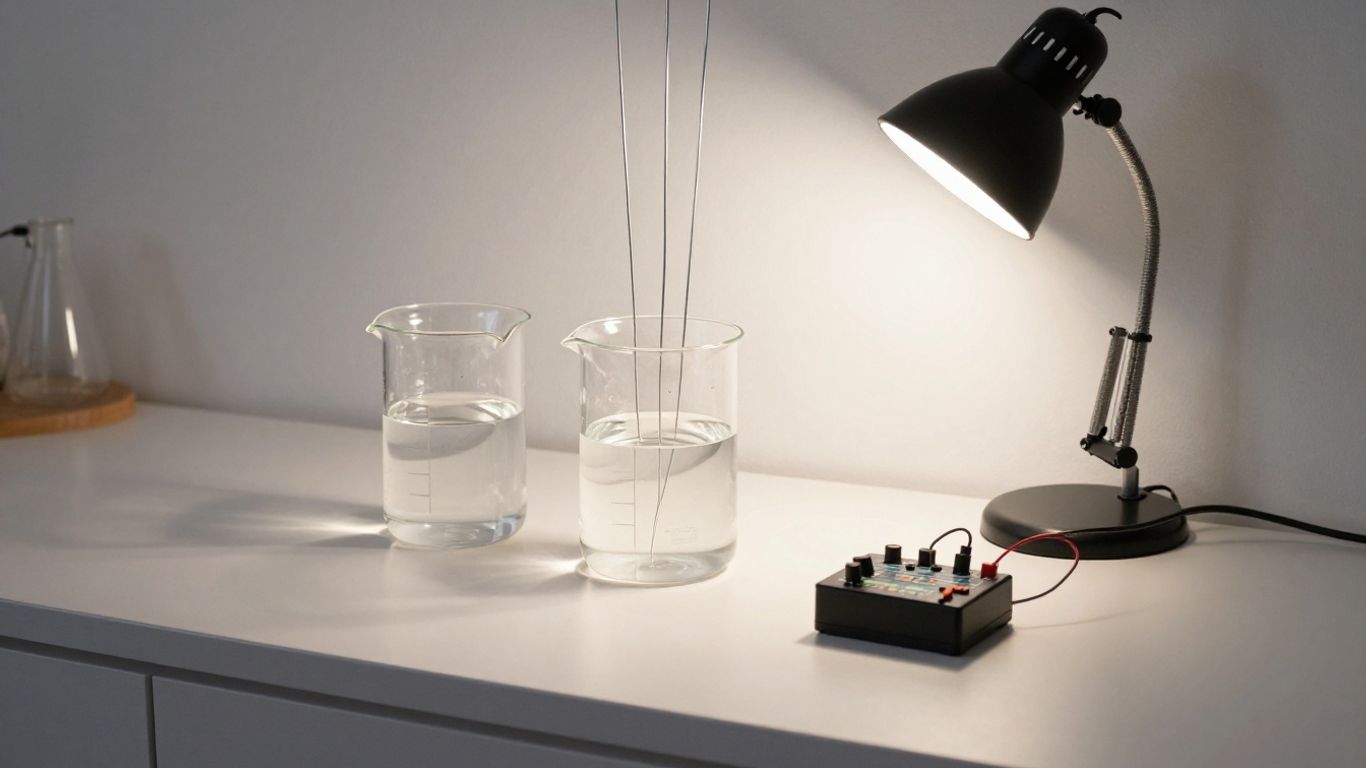
Establishing a dedicated space is critical to avoid impurities during the electrolysis process. By keeping your tools in a consistent, clean environment, you ensure that every batch of silver solution stays pure. This physical arrangement helps you maintain consistent results and hygiene standards.
Selecting a clean, well-lit environment
Organizing your equipment properly ensures you do not waste time hunting for tools or working in cramped, dusty areas. Follow these steps to optimize your production area:
- Wipe down surfaces with pure water and a clean microfiber cloth.
- Use a light source that allows for clear visibility of the electrodes.
- Designate a permanent area that stays free of food or household cleaners.
- Keep all cables and power components dry and away from spills.
Cleaning and preparation take just a few minutes but make a massive difference in the final product. A bright, orderly space allows you to monitor the water clarity throughout the reaction.
Preparing high-purity distilled water
Using high-quality, deionized or distilled water is the bedrock of a stable solution. If the water contains minerals, the electrical reaction becomes erratic. For those who manage items like esterilizadores de chupetes in the same kitchen area, be sure to keep these tools strictly separated from your production supplies to prevent cross-contamination.
Cleaning silver electrodes properly
After each cycle, silver electrodes often develop a residue that needs removal. Simply buffing them gently with a soft pad ensures that the metal surface remains active for the next run. Preventing material buildup keeps the process running smoothly every time you start a new batch.
Step-by-step production process
Your production phase is where the technical settings meet the physical result. Managing the balance between speed and quality is something users often balance during manual lead follow-up, though here it merely means watching your timer and conductivity rather than sales records. Clear documentation of your settings will help you replicate consistent results.
Configuring voltage settings
Voltage controls how fast the migration of ions occurs within the liquid. A lower, steady voltage typically yields a better result than a rapid, high-voltage burst. Consult this table for settings based on your desired volume:
| Process Target | Voltage Setting | Time Estimate |
|---|---|---|
| 100ml Mild batch | 12V DC | 45 minutes |
| 250ml Medium batch | 12V DC | 2 hours |
| 500ml High batch | 12V DC | 4 hours |
Adjusting the voltage appropriately keeps the nanoparticle size within an ideal range for topical application.
Monitoring current and reaction time
As the solution matures, the current might shift slightly because the water becomes more conductive. If you have been searching for colloidal silver uses, you know the end product is intended for specific, gentle needs, so avoiding overheating the water is standard practice. Never leave the device unattended, as electrical current can occasionally short if electrodes are not steady.
Managing silver concentration levels
Concentration levels are best measured with a calibrated TDS meter. While many people use colloidal liquid silver for various skin concerns, keeping the PPM within a reasonable range keeps your batch safe and effective. If you are ever unsure about your levels, err on the side of caution and stop when the meter reaches your target range.
Safety precautions and troubleshooting
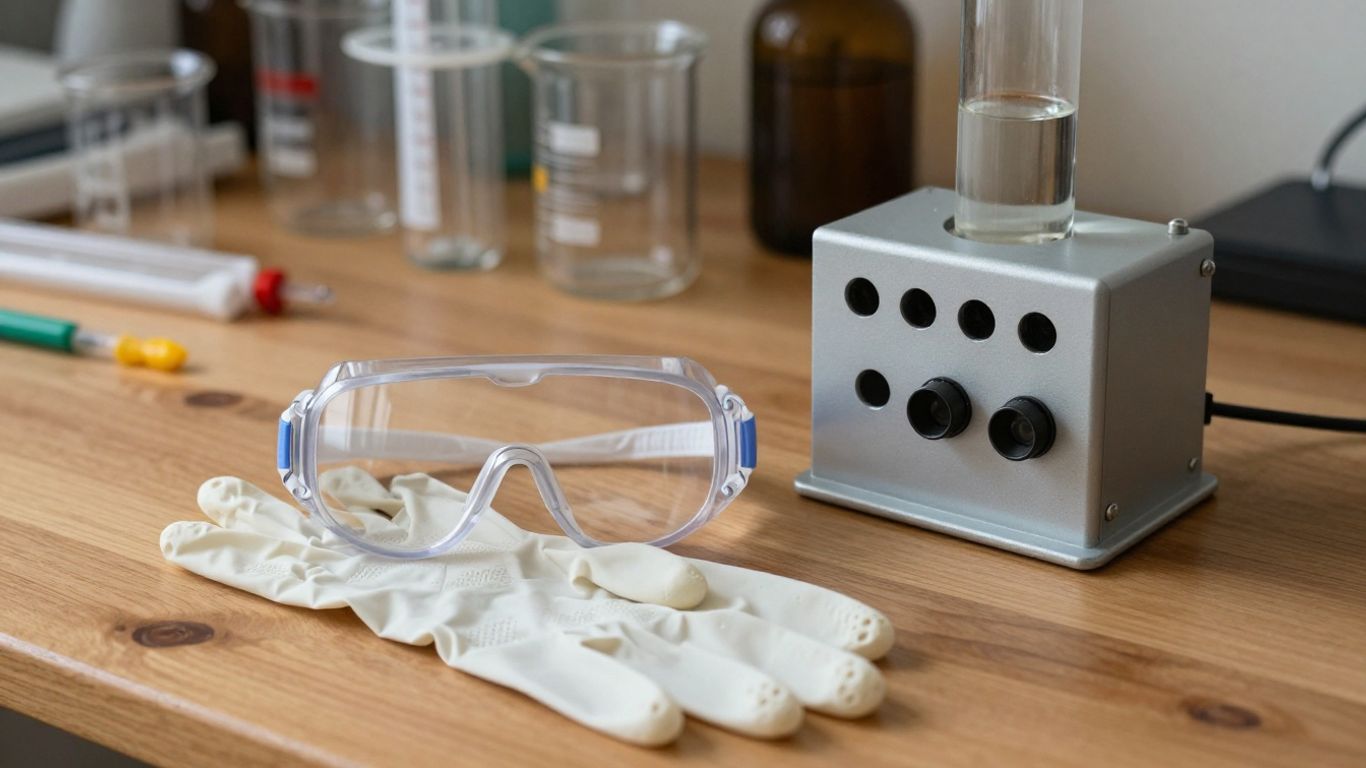
Safety is not just about the equipment but also about how you handle the ingredients. It is essential to treat your electrical components as you would any other household project. A little mindfulness prevents most common errors associated with making your own solutions.
Avoiding electrical hazards
Always ensure that your power leads are secure and your hands are dry before touching the controls. If you are familiar with how to buy quality colloidal silver, you likely know that safety is the hallmark of any product sourced from professional suppliers. Treat your home setup with that same level of respect.
Managing potential impurities
Even with distilled water, dust or airborne debris can fall into your solution. Cover your vessel with a lint-free cloth or a plastic cover during the run to block environmental contaminants. Keeping the workspace free of pollutants is arguably the most underrated aspect of high-quality DIY production.
Identifying common generator faults
Sometimes, the reaction stops prematurely due to a loose wire or a dirty contact point. Check the connections between your power supply and electrodes if you notice the current dropping to zero. Regular maintenance checks, similar to nano silver vs colloidal silver comparisons, help you distinguish between a faulty wire and a naturally occurring shift in conductivity.
Storing and preserving your solution
After you finish the production, storage is everything. Your solution will remain stable for a long time if stored correctly. Treat it like a valuable pantry item that requires protection from the elements to ensure excellence.
Choosing ideal container materials
Glass vessels are superior because they do not leach chemicals or contaminants into your batch. Utilizing reliable glass meal prep containers is a great way to house your solutions since they are durable and easy to clean. Amber glass is particularly good because it blocks harmful light waves.
Managing temperature and light sensitivity
Place your bottles in a cool, dark cupboard away from direct sunlight. Light and heat can cause the silver nanoparticles to lose their charge or aggregate, which diminishes the quality of your hard work. Consistency in temperature keeps the solution stable for months.
Maintaining long-term potency
Label each bottle with the production date and the measured PPM value. This helps you track efficacy over time. If a bottle seems to have changed color significantly, it is best to retire that batch and start fresh for your own safety and peace of mind.
Quality control and testing methods
Quality testing ensures everything you prepared is ready for use. By observing the visual clarity and assessing conductivity, you hold complete authority over your health supplies. It is the best way to remain confident in your process.
Visual inspection techniques
A good batch is typically faint, clear, or slightly golden. If it looks muddy or dark, you have likely run the process too long. A clean visual inspection ensures you have a true, quality solution that is free from large, unintended silver chunks.
Using a TDS meter for analysis
TDS meters are inexpensive and act as a reliable guide for your concentration levels. While you can find this information in colloidal silver production process documents, actually measuring your own work gives you immediate, tangible results. It is the final verification before you bottle your liquid.
When to replace worn-out electrodes
Electrodes don’t last forever, as they are consumed during the electrolysis process. Once the wire looks thin or develops deep pits, it is time to replace them. Fresh electrodes ensure consistent current flow and better overall results for your next home production session.
Conclusion
Mastering your own colloidal silver generator is a rewarding way to take charge of your personal supplies while enjoying the autonomy of natural health trends. By focusing on clean water, stable electrical current, and proper storage, you turn the complex science of electrolysis into a simple, effective routine. Always remember that the beauty of this approach is in the consistency you maintain over time, allowing you to manage your supplies with pride and confidence.
Frequently Asked Questions
Can I make colloidal silver with tap water?
No, you should never use tap water because it contains minerals and chemicals that interfere with the electrolysis process and can lead to impure solutions. Always use high-purity distilled water to ensure the safety and clarity of your batch.
How often should I clean my silver electrodes?
You should gently clean your silver wire electrodes after every batch you produce to ensure maximum efficiency. Residue buildup acts as a barrier that slows down conductivity and makes your generator work harder than it needs to.
Why does the solution sometimes turn yellow?
A yellow hue often indicates that the reaction was run for too long or the concentration is becoming quite high. While some prefer a moderate tint, a deep golden color often suggests the nanoparticles have grown larger in size, which may be less effective for your intended topical use.
Is it safe to store the solution in plastic bottles?
Plastic containers can degrade over time and may contaminate your solution with microscopic plastic particles or chemicals. It is much safer and more reliable to use high-quality, dark amber glass containers for long-term storage.
How do I accurately measure the concentration?
A TDS (Total Dissolved Solids) meter is the standard tool for estimating the concentration of your solution. It provides a numerical reading that helps you compare your current batch against previous ones to ensure you are meeting your target levels.
What should I do if the electrodes touch during production?
If the electrodes touch while the unit is active, it causes a short circuit, which will likely trip your generator or blow a fuse. Immediately turn off the device, separate the electrodes, and inspect your connections before carefully restarting the process.
How long can I keep my homemade colloidal silver?
When stored in an opaque glass bottle in a cool, dark location away from extreme temperatures, the solution remains potent for several months. Always check for clarity before use and discard any batch that appears overly murky or has sediment on the bottom.
Related Posts
Chemical element silver: Properties, uses, history, and why it matters
Colloidal silver liquid 250 ppm: Uses, safety, quality, and what to know before buying
How to add minerals to water safely: Methods, benefits, and practical tips
Silver nitrate molar mass: How to calculate it, use it, and avoid common mistakes
A complete guide to 950 silver: what it is and how it compares to sterling
The best voltage for making colloidal silver: A guide to particle size and production safety
10 best colloidal silver products for health and wellness
Understanding colloidal silver 20 ppm: A comprehensive guide to usage and safety
