
- You are here:
- Home »
- All Articles »
- How to find high-quality fulvic acid near me: A buyer’s guide
How to find high-quality fulvic acid near me: A buyer’s guide
Key Takeaways
Finding high-quality fulvic acid begins with understanding your specific application, whether for soil enhancement or human wellness. Use these strategies to make an informed purchase:
- Distinguish clearly between raw industrial-grade and purified food-grade products.
- Inspect labels for specific extraction methods rather than generic buzzwords.
- Balance the cost-efficiency of bulk powders against the convenience of ready-to-use liquids.
- Confirm chemical transparency through readily available third-party analysis reports.
- Factor in storage requirements, as organic compounds can degrade when stored improperly.
Understanding your needs for fulvic acid
Selecting the right supplement requires a clear assessment of whether you are targeting plant biology or personal physiological support. These two domains operate under different regulatory standards and chemical requirements, so knowing your primary goal keeps your browsing efficient. Searching for effective fulvic acid near me requires filtering through a wide range of products designed for vastly different environments.
Identifying agricultural versus human grade
Agricultural products are typically formulated to address soil deficiencies and plant nutrient transport, whereas human-grade supplements undergo purification processes to ensure safety for ingestion. Many growers find success relying on specialized agricultural inputs that are not suitable for internal use due to higher impurity levels or harsh extraction processes involved.
Deciphering labels and concentration levels
When you scan the shelf, looking at the fine print is vital for determining true concentration. Labels often use confusing jargon, but you can identify the best options by keeping these points in mind:
- Look for extraction origin, preferring leonardite or ancient sedimentary deposits.
- Check for the absence of synthetic chemical additions or preservatives.
- Review the percentage of active fulvic content versus inert filler materials.
- Ensure the product clearly labels the specific chelation method used for stability.
Matching product forms to your application
Different applications require distinct chemical viscosities and solubility profiles. For instance, foliar applications require a fine consistency that won’t clog sprayer nozzles, while soil drenching can accommodate less refined forms.
| Application Target | Recommended Form | Expected Absorption Rate |
|---|---|---|
| Foliar Spray | Liquid Concentrate | High Rapid Uptake |
| Hydroponic Systems | Water-Soluble Powder | Very High Instant |
| Direct Soil Amendment | Granular or Powder | Moderate Sustained |
Selecting the correct form ensures that you are not wasting resources on a material that does not dissolve properly in your specific delivery system.
Locating agricultural supply retailers
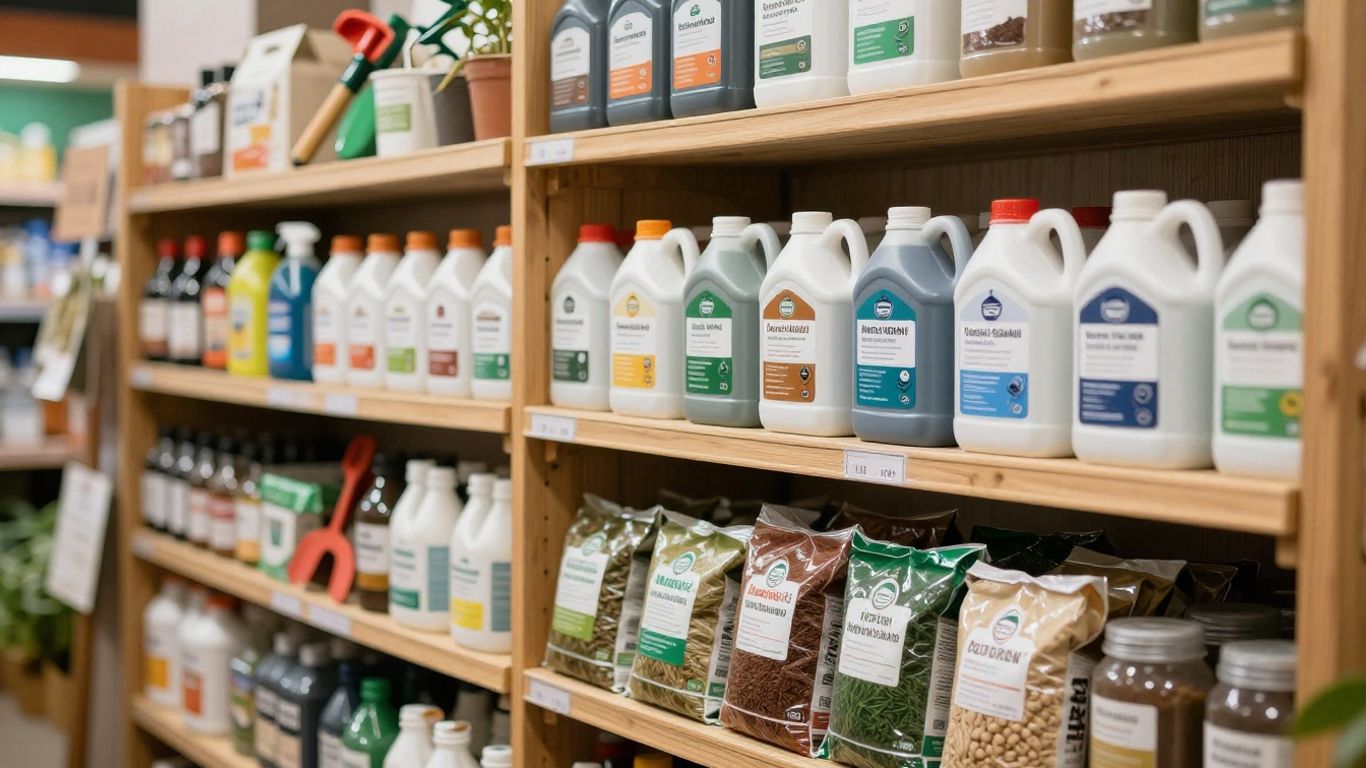
Finding a physical retailer ensures you can inspect labels in person and avoid the sometimes unpredictable nature of online inventory. Local agriculture centers and specialized nursery suppliers often carry products that are not found in mass-market hardware stores. Establishing a relationship with these local experts can provide insights into what works best for your specific regional soil conditions.
Local hydroponic and garden centers
Hydroponic specialty shops maintain a curated inventory of nutrients that emphasizes bioavailability and chemical purity. These centers are often the first to stock advanced chelating agents for serious indoor and outdoor growers.
Organic farm supply distribution points
Large-scale organic operations rely on bulk distributors who specialize in soil microbiology. These outlets may allow you to purchase quantities that are more economical than small retail bottles.
Evaluating the quality of local warehouse stock
Examine the packaging dates and physical condition of the containers when visiting a warehouse. Natural products can be sensitive to environmental shifts if left on the floor for extended periods without climate control.
Sourcing fulvic acid for gardening and soil health
Gardening solutions require a careful balance of minerals and organic acids to stimulate root development and long-term soil structure. If you are a serious grower, you might investigate products like Liquid Fulvic Acid which helps in streamlining your feeding schedule. Additionally, powders like Fulvic Acid Soluble offer high concentration, allowing you to tailor your dosages perfectly.
Comparing liquid versus powder formulations
Liquids offer the advantage of immediate usage, which saves time when you need to prepare garden fertilizers on the fly during busy weekends. Powders often provide a greater value per gram, although they do require accurate measurement tools to ensure you maintain consistent ratios across all your treatments.
Importance of humic and fulvic acid ratios
Balancing these components is essential for overall garden vitality. While fulvic acid excels at mineral transport within the plant cells, humic acid works to build the soil structure itself. Many of the best supplements available focus on maintaining a symbiotic ratio that promotes both short-term nutrient uptake and long-term soil health.
Checking expiration and shelf life
Always look for manufacture dates on products that contain biological or organic compounds. Even if a product is technically usable after a year, the effectiveness of the trace elements can decline significantly if exposed to heat or direct light.
Finding human-grade fulvic acid supplements
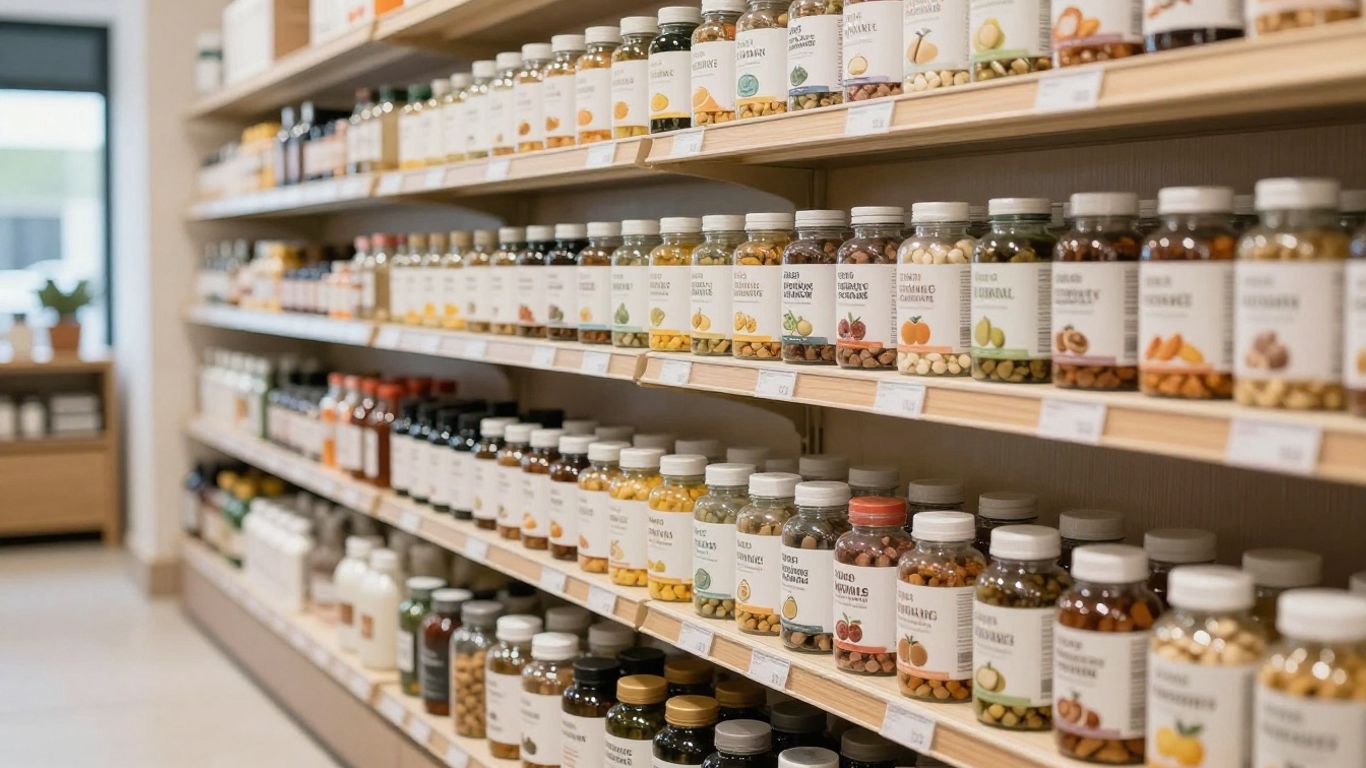
For those interested in personal wellness, the search process changes significantly regarding source purity and regulatory standards. Understanding if a product is intended for internal use involves looking for specific testing marks that confirm non-toxic manufacturing processes. If you are exploring deeper, you might read about fulvic acid on WebMD to better understand how it is classified in a clinical context.
Browsing health food stores and wellness boutiques
Local wellness boutiques often carry a higher tier of supplements compared to general-purpose pharmacies. Finding a store that focuses on holistic health can help you gain access to brands that value purity and third-party validation.
Identifying reputable supplement specialty stores
Quality supplements are defined by their transparency regarding source extraction and their adherence to clean manufacturing protocols. Relying on reputable stores ensures you are not purchasing unverified compounds that might contain heavy metals or contaminants.
Seeking out companies that provide full disclosure is the best way to safeguard your health while exploring new supplementation routines.
Verifying third-party quality certifications
Reliable third-party certifications, such as those from independent labs, provide the documentation needed to prove that what is inside the bottle matches the marketing on the label. This verification is crucial for your safety and peace of mind.
Strategic assessment of local versus online options
Choosing between buying across town or through a website hinges on the urgency of your needs and the specific logistics of your project. If you are managing a large-scale renovation, you might need quick access to supplies, perhaps similar to how you would coordinate with Best Value Roofing & Construction for your infrastructure projects. Online options often provide broader availability, especially when looking for specialized Shilajit capsules or advanced mineral blends.
When to prioritize local shipping speed
Local pickup removes shipping delays during critical windows, such as the initial phase of nutrient enrichment in your soil beds. Having the ability to run to the store when you have miscalculated a dose is an invaluable benefit for any home enthusiast.
Managing bulk purchase costs
Online retailers frequently offer price breaks on bulk orders that local retailers cannot match, especially on heavy powders or large-volume barrels of liquid. If you can store the product safely, buying in large quantities is the most cost-effective path.
Factoring in storage space and climate control
Supplements and fertilizers, whether they be liquid mineral drops or basic acids, have specific climate preferences. Before committing to a bulk online order, ensure you have a dark, dry, and temperature-controlled environment ready to accept the shipment.
Evaluating vendor reputation and transparency
Transparency separates a standard vendor from a trusted partner in your gardening or supplement journey. When evaluating a supplier, especially when you are looking for products like Fulmax 3% Liquid Fulvic Acid, you should prioritize companies that provide accessible proof of their product’s quality.
Requesting certificates of analysis from suppliers
Any vendor worth their salt will provide a certificate of analysis upon request, which details the exact chemical makeup of the current batch. This documentation is your strongest line of defense against substandard products.
Reviewing customer experiences with local vendors
Online reviews serve as a useful pulse check, but talking to other local growers provides deeper insight into how a vendor handles product issues or stock availability. Consistent, reliable service is usually a sign of a robust business model.
Checking for return policies on agricultural supplies
Many suppliers have strict return policies on open containers for safety reasons. It is common to see retailers offering liquid vitamin and mineral supplements or other highly formulated liquids with a no-return policy, so knowing your requirements before checkout is key. You might also want to explore Magnesium Glycinate Powder or zinc chewable tablets if you are building an overall wellness routine.
Conclusion
Finding the right source for your needs requires a mix of common sense regarding product safety and a strategic evaluation of the logistics involved in your specific purchasing plan. By prioritizing vendors that emphasize chemical transparency, you ensure that the product you receive actually delivers the benefits of complement-fixing activity or soil mineral chelation you expect. Whether you decide to shop local to support neighborhood retailers or buy online for bulk savings, your focus should remain on verified quality and clear labeling to guarantee the best outcomes for your garden or personal health.
Frequently Asked Questions
Is fulvic acid safe for use on all plant types?
Generally, it is safe for a wide range of plants, but you should always start with a lower dose to see how specific varieties react, particularly with delicate seedlings or sensitive indoor species.
How does soil pH affect fulvic acid performance?
Fulvic acid is unique because it remains soluble across a wide pH spectrum, allowing it to remain active even in soils that might be traditionally challenging for other nutrient additives.
Can I mix this supplement with other garden fertilizers?
Yes, it frequently acts as a chelating agent that helps other nutrients become more available to the plant, which is why it is often added alongside standard feeding programs.
What is the primary difference between humic and fulvic acid?
Humic acid molecules are significantly larger and focus primarily on soil conditioning and structure, whereas fulvic acid molecules are smaller and excel at moving minerals directly into plant or human tissue.
Should I worry about heavy metal contamination?
Yes, because these acidic compounds can pull minerals from the earth, sourcing is everything; verified, food-grade or agricultural-grade products should be tested to ensure they are free from harmful residues.
How long should I expect a bottle to last after opening?
Most manufacturers suggest using opened liquid products within six to twelve months if stored correctly, as exposure to air and light can slowly degrade the complex organic structures.
Do I need a prescription to buy human-grade supplements?
No, these are categorized as dietary supplements rather than medications, meaning they are widely available for purchase at health food stores without needing a prescription from a healthcare provider.
Related Posts
Magnesium glycinate trace minerals: benefits, dosage, ingredients, and how to choose it
Colloidal silver liquid 250 ppm: Uses, safety, quality, and what to know before buying
Mineral vitamins explained: Benefits, types, food sources, and how to choose a supplement
How to add minerals to water safely: Methods, benefits, and practical tips
Silver nitrate molar mass: How to calculate it, use it, and avoid common mistakes
Electrolyte supplements keto: How to choose the right formula, dosage, and timing
A complete guide to trace minerals for optimal health
A guide to International Silver Company: history, identification, and value
