
- You are here:
- Home »
- All Articles »
- How to evaluate colloidal silver brands: a buyer’s guide to labels, testing, and safety
How to evaluate colloidal silver brands: a buyer’s guide to labels, testing, and safety
Key Takeaways
A careful comparison starts with what a label and test report can actually tell you—not what a product is said to do. Keep safety and the limits of health claims in view as you assess colloidal silver brands.
- PPM describes concentration, not effectiveness or the form of silver.
- Read the full ingredient list, directions, and storage instructions.
- Prefer specific, batch-linked testing details over vague quality language.
- A higher concentration or a different format does not mean a product is better.
- Colloidal silver carries risks, and disease-treatment claims deserve skepticism.
1. Understand what colloidal silver products contain
The phrase “colloidal silver” appears on products with different compositions, and labels do not always make those differences easy to see. A useful comparison begins with the form of silver a company says is present, then checks whether its details are supported by evidence. No single number on the bottle can answer every question about what is inside. Knowing the limits of each claim makes it easier to compare products without mistaking marketing language for a measure of quality.
How colloidal silver differs from ionic silver
A colloid is generally a mixture in which small particles are dispersed through a liquid, while ionic silver refers to silver present as charged ions. In products, those forms may occur in different proportions, and labels do not always explain the distinction clearly. The word “colloidal” by itself is not proof of a particular composition. If a maker describes the form of silver, look for a test method or report that explains how it was identified.
For a broader explanation of how these labels and compositions can differ, see this silver-form comparison. It can help you frame questions about a product, but it does not verify the contents of any particular bottle. The product’s own documentation still matters.
What parts per million (ppm) tells you—and what it doesn’t
Parts per million is a concentration measure: it indicates how much silver is present relative to the liquid. It does not, on its own, tell you whether the silver is ionic or particulate, how large any particles are, or whether a product is effective for a health condition. A higher ppm number is not a score for safety or usefulness. Concentration is not proof of benefit—and it should not be treated as a substitute for evidence about a claimed use.
A label marked 20 ppm and one marked 250 ppm may differ in concentration, but that comparison alone cannot tell you how their compositions or risks compare. A guide to understanding PPM claims offers another explanation of why the number is only one part of a label. Use it as context, not as a reason to assume that the larger number is preferable.
Why particle size and concentration claims can be hard to compare
Particle-size claims can be difficult to evaluate when a label does not state how the size was measured, what was included in the result, or whether the test applies to the current batch. Different methods may describe different aspects of a sample, so two numbers are not automatically comparable. Concentration and particle size also answer different questions. Before weighing either claim, look for the method and the report behind it.
One research paper examining commercial products discusses challenges in assessing composition and consistency; its commercial product analysis is useful background on why a label alone may not settle the question. Research about tested samples does not establish the composition of every product now on the market. Check whether a company provides documentation for the specific item and batch you are considering.
2. Read product labels carefully
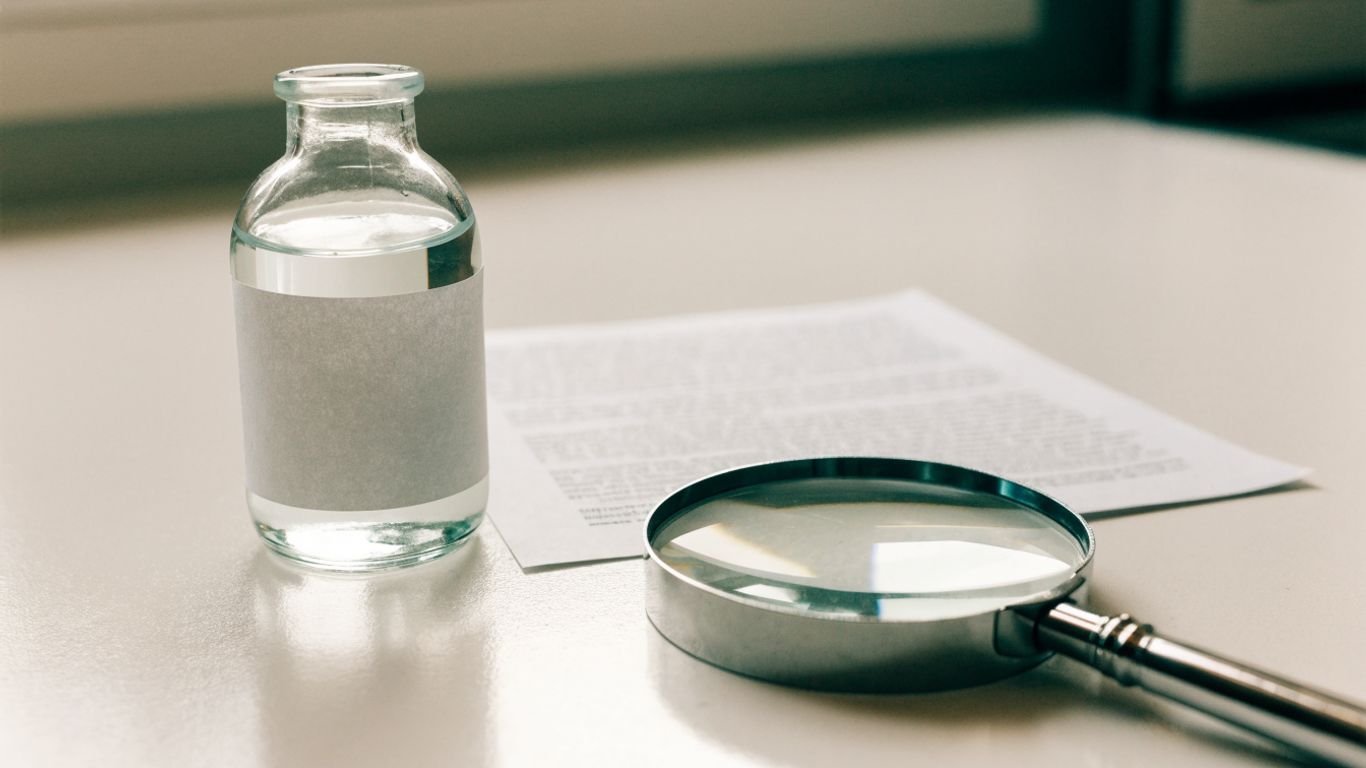
A label is a practical starting point, not a complete quality assessment. Read it from the ingredient panel through the directions and storage information, and note what it does not say. Product descriptions online can offer extra detail, but claims should be specific enough to check against the package or supporting documents. A general product-selection guide can help organize questions about concentration, particle size, purity, and testing.
Check the ingredient list and serving directions
Start with the complete ingredient list and identify what the maker says is in the liquid besides silver and water. Look for added substances, if any, rather than assuming all products have the same formulation. Then read the directions exactly as written. A product’s suggested use is not evidence that the use is safe or effective, and directions should not be converted into a personal treatment plan.
If the label is unclear about ingredients or intended use, contact the seller or manufacturer for a direct answer. A response that simply repeats a promotional claim leaves the underlying question unresolved. Keep the package or a photo of the label so you can compare it with any answer you receive.
Look for concentration, volume, and storage information
Concentration is easier to interpret when the package also states the volume and provides clear storage instructions. Compare labels using the same units, and check whether the concentration is expressed as ppm rather than relying on a product name or front-label slogan. The table below shows what these details can—and cannot—establish.
| Label detail | What it can tell you | What it cannot establish alone |
|---|---|---|
| PPM | Stated silver concentration | Form, effectiveness, or safety |
| Bottle volume | Amount of liquid in the container | How long it should be used |
| Ingredient list | Declared ingredients | Independent confirmation of contents |
| Storage directions | How the maker says to store it | Whether the product remains suitable indefinitely |
Treat the table as a reading aid, not a grading scale. If a product omits basic details or gives conflicting information on its label and website, ask for clarification before drawing conclusions.
Distinguish marketing language from specific product details
Words such as “pure,” “advanced,” or “premium” are broad unless the company explains what they mean and provides supporting information. Specific details—such as a stated concentration, a test date, or a batch identifier—are more useful because they can be checked. Even then, one detail does not answer every question about a product.
When comparing online listings, make a short note of what is stated and what is missing:
- Record the listed ingredients and concentration.
- Note whether the package gives a batch number and storage directions.
- Save any testing documents linked to the exact product.
- Mark claims that have no clear definition or supporting evidence.
This simple record can prevent a polished product description from becoming your only source of information. If the seller cannot clarify an important omission, treat that uncertainty as part of the comparison.
3. Assess testing and quality claims
Testing language can sound reassuring while leaving basic questions unanswered. Look for documents that identify the product, the batch, the date, and the test performed, then check whether the results actually address the claim being made. A certificate or seal is not automatically a guarantee of effectiveness. The value lies in the details and in how closely they apply to the bottle under consideration.
Look for batch-specific certificates of analysis
A certificate of analysis (COA) is most useful when it identifies a particular batch and reports relevant results for that batch. A generic document with no lot number may not show that the item being sold was tested. Check whether the product name, batch or lot, date, and reported measurements are visible, and whether the listed tests relate to the quality claims on the label.
A COA is still only as informative as its scope. It may report selected measurements without addressing every possible concern about formulation, storage, or use. Read the report itself rather than relying only on a sentence saying that testing is available.
Check which laboratory performed the testing
A report should identify who performed the analysis and, where available, what methods were used. If the company names an outside laboratory, see whether the document clearly ties that laboratory to the stated results. A laboratory’s name alone does not show that every relevant feature was tested, or that the results establish a health benefit.
Documentation habits matter in many fields: useful explanations of AI search visibility, online IQ tests, AI video workflows, property grading, and roof inspection also depend on making claims and their supporting details clear. These subjects are not evidence about silver; the shared lesson is narrower. Ask what a document covers, who produced it, and whether it supports the specific claim in front of you.
Understand the limits of purity and quality certifications
A purity statement or quality certification can address a defined standard or process, but it should not be read as proof that a product treats or prevents illness. Ask what was assessed, what the certification covers, and whether it applies to the specific product or facility. The word “certified” without those details is difficult to interpret.
For each claim, match the evidence to the claim itself. A test for concentration, for example, does not automatically verify particle size or demonstrate a health outcome. This is why a narrowly described report can be more informative than a broad assurance of quality.
4. Compare formulations and packaging
Products may come as liquids, sprays, or other formats, but the format alone does not show that one is safer or more effective. Consider whether the packaging and directions are clear and whether the product’s stated composition is documented. A comparison is most useful when you weigh practical details without turning them into assumptions about health benefits.
Consider liquids, sprays, and other product formats
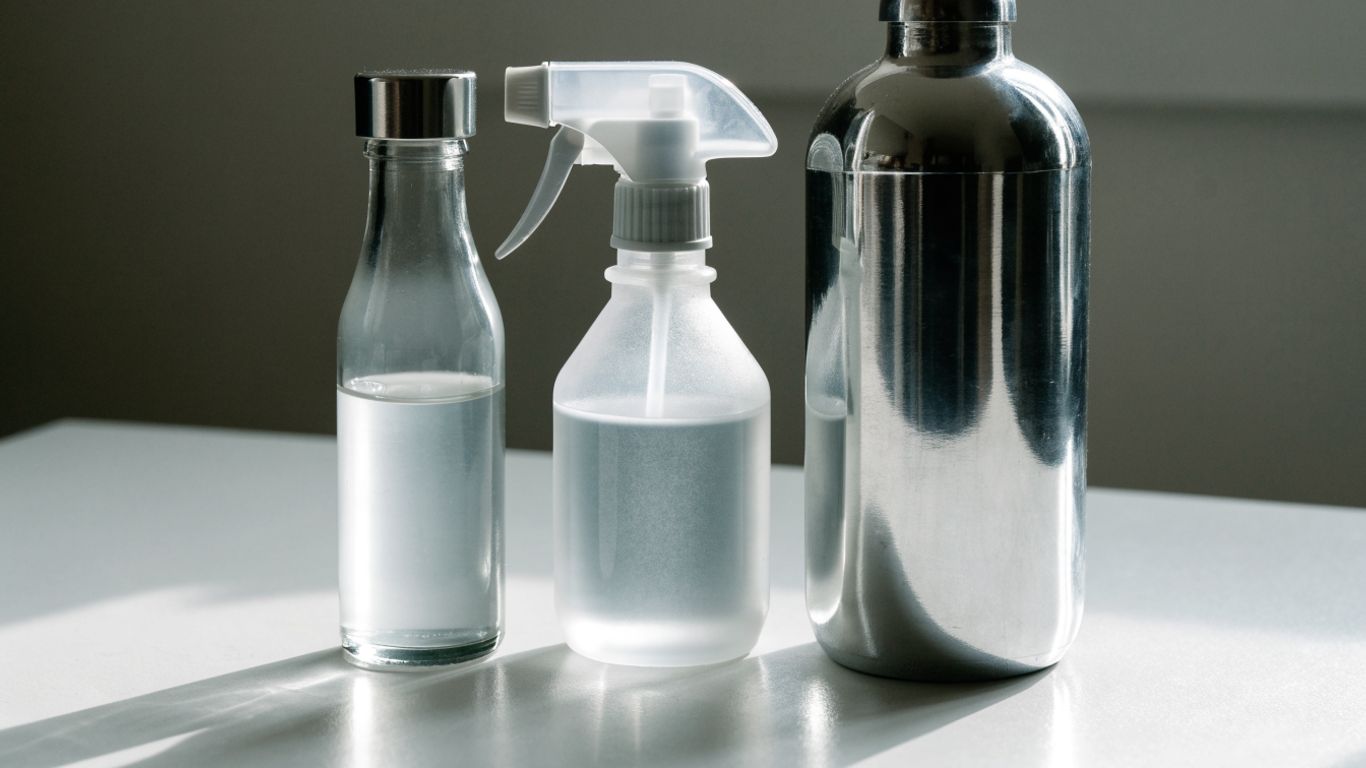
A liquid in a bottle and a product delivered as a spray can differ in how they are packaged and directed to be used. Check whether the label clearly describes the format and gives instructions specific to it. Do not assume that a spray is intended for a particular body area, or that one format is suitable for a use just because it is convenient.
The key question is whether the product’s directions and claims are clear, not whether its format sounds more advanced. If intended use is ambiguous, seek clarification rather than filling in the gaps yourself.
Check container materials and storage instructions
Look for clear instructions about storage, including any stated precautions about light, temperature, or keeping the container closed. Check what the package is made from if that information matters to your comparison, and see whether the manufacturer explains the choice. Avoid assuming that a particular material guarantees product quality.
Storage instructions are product-specific. Follow the label, and contact the maker if directions are missing or conflict with information elsewhere. A claim about container material is one detail—not a substitute for batch documentation or a clear ingredient list.
Compare concentration and price without assuming more is better
Price comparisons can be misleading when bottle sizes and stated concentrations differ. Compare the total volume and the listed concentration, but remember that neither tells you whether a product is beneficial for a health condition. A higher concentration can mean a different amount of silver in the liquid; it does not establish that a product is a better choice.
One way to keep the comparison grounded is to separate measurable details from claims about outcomes. Note the price, volume, concentration, and available testing, then consider whether the product description makes claims that those details cannot support. That approach is more useful than ranking products by a single number.
5. Evaluate safety and health claims
Safety deserves as much attention as product specifications. Colloidal silver is not a proven treatment for disease, and products sold under that name can carry meaningful risks. Be especially careful with claims that encourage regular or internal use, or suggest replacing medical care. If you are considering a product for yourself, discuss the question with a healthcare professional who knows your health history and other treatments.
Review known risks, including argyria
Argyria is a condition in which silver accumulates in the body and can cause a persistent blue-gray discoloration of the skin. The discoloration can be permanent. This is one reason not to treat a product’s availability or “natural” label as evidence that it is harmless.
Silver may also interact with some medicines, and concerns can depend on a person’s circumstances and the product’s use. Do not use general online advice to decide whether a product is safe for you. A healthcare professional can help assess individual risks and alternatives.
Treat disease-treatment claims with caution
Claims that colloidal silver cures, prevents, or treats disease should be met with skepticism. Promotional language and personal stories are not the same as reliable evidence that a product works. A product label should not lead you to delay diagnosis, stop prescribed treatment, or substitute silver for care recommended by a qualified professional.
A broad historical or health-related discussion is not a clinical recommendation. The relevant question is whether sound evidence supports the specific claim being made—not whether the claim appears repeatedly in advertising or online posts.
Consult a healthcare professional before considering use
A clinician or pharmacist can review possible interactions, health conditions, and the risks of a particular product. Bring the label or a photograph of it, along with any testing documents you found. This makes the discussion more specific than asking about colloidal silver in the abstract.
If a seller advises you to disregard professional guidance or promises a disease outcome, that is a reason to pause. You deserve clear information and a chance to make decisions without pressure.
6. Spot red flags when comparing brands
A trustworthy comparison does not require taking a company’s word for every claim. Look for details you can verify, be alert to gaps between a product’s promise and its evidence, and avoid purchasing under pressure. None of these checks can guarantee a product is right for you, but they can help you recognize when a claim is not well supported.
Be wary of claims that colloidal silver cures or prevents disease
A claim that a product cures or prevents disease goes well beyond a description of its ingredients or concentration. The presence of a number, a testimonial, or confident wording does not establish that outcome. Treat broad promises as a reason to look for reliable evidence—and to ask a healthcare professional rather than relying on the seller’s assurance.
Be especially wary if marketing suggests that colloidal silver can replace established care. A product comparison should not become a substitute for medical advice or a reason to delay it.
Question vague testing language and missing product details
Phrases such as “lab tested” do not explain which lab, what was measured, when testing took place, or which batch was examined. Missing concentration, incomplete ingredients, or unclear storage directions also make a product harder to assess. These omissions do not prove that a product is poor quality, but they leave important questions open.
If you contact a seller, ask direct questions and compare the answers with the label and any report. A response that avoids specifics is not the same as documentation. You can also use a general 20 ppm label guide to understand why concentration should be read alongside other product details and safety information.
Avoid pressure tactics and unsupported endorsements
Countdowns, claims of limited supply, or warnings that you must act immediately are sales tactics, not evidence. Endorsements and testimonials may describe one person’s experience, but they cannot establish that a product will work for someone else. Give yourself time to check the label and supporting documents.
If the available information does not answer basic questions, it is reasonable to move on without buying. A careful decision can include deciding that the evidence is not clear enough to proceed.
Conclusion
Comparing colloidal silver products means looking past the front label to composition, concentration, testing details, packaging, and safety. No single number, seal, or testimonial can prove that a product will benefit you, and disease-treatment claims deserve particular caution. When information is missing, slow down, ask a healthcare professional, and let the evidence—not the marketing—guide your next step.
Frequently Asked Questions
What does colloidal silver ppm mean?
PPM describes the stated concentration of silver in a liquid. It does not, by itself, identify the form of silver, establish particle size, or show that a product is effective or safe for a particular use.
Is colloidal silver the same as ionic silver?
Not necessarily. The terms refer to different descriptions of silver in a liquid, but product labels may not explain composition precisely. Look for a clear description and supporting test information rather than relying on the product name alone.
Does a higher ppm number mean a better product?
No. A higher number indicates a different stated concentration, not greater effectiveness or safety. Consider the full label, documentation, intended use, and known risks rather than ranking products by concentration alone.
What should a certificate of analysis include?
Look for the product and batch identification, a date, the laboratory or testing entity, methods where provided, and results relevant to the claims. A generic or undated document may not establish what was tested in the specific product you are considering.
Can colloidal silver cause argyria?
Silver accumulation can cause argyria, a persistent blue-gray discoloration of the skin that may be permanent. This risk is one reason to avoid assuming that a product is harmless because it is marketed as natural.
Are claims that colloidal silver treats disease reliable?
Claims that it cures or prevents disease should be treated with caution. Advertising language and testimonials do not establish effectiveness, and a product should not replace professional evaluation or recommended care.
Should I ask a healthcare professional before considering colloidal silver?
Yes. A healthcare professional can discuss possible risks, interactions, and your individual circumstances. Bring the product label and any test documents so the conversation can address the specific product rather than a general claim.
Related Posts
Colloidal silver benefits: What the evidence says about claims and risks
How to evaluate a best rated colloidal silver generator before you buy
Silver hydrosol vs colloidal silver: Key differences, claims, and safety
Silver Wings Colloidal Silver: Uses, Safety, and What to Know
Colloidal silver liquid 250 ppm: Uses, safety, quality, and what to know before buying
Silver nitrate molar mass: How to calculate it, use it, and avoid common mistakes
A guide to International Silver Company: history, identification, and value
A complete guide to 950 silver: what it is and how it compares to sterling
