
- You are here:
- Home »
- All Articles »
- How to evaluate a best rated colloidal silver generator before you buy
How to evaluate a best rated colloidal silver generator before you buy
Key Takeaways
A high rating can help you decide what to investigate, but it cannot establish quality, safety, or medical effectiveness. Compare specific evidence and make the purchase decision with your intended use clearly in mind.
- Treat ratings as a starting point, not proof of performance or safety.
- Compare materials, warranty terms, and clearly explained technical measurements.
- Be skeptical of disease-treatment claims and unsupported health promises.
- Check labeling, seller support, and independent evidence before buying.
- Ask a healthcare professional about health concerns before using silver products.
What ratings can and cannot tell you
A product with a high average score may seem like the obvious choice, but ratings summarize opinions rather than establish how a device performs. Reviews can still help reveal practical details, such as whether setup instructions are clear or customer support responds. The useful question is not simply which is the best rated colloidal silver generator, but what the rating is based on and whether those details matter to you.
Check how many reviews support the score
A five-star average from a handful of reviews is less informative than a similar score backed by a larger set of detailed experiences. Even then, review volume alone does not verify a product’s technical claims. Check whether the ratings appear over time, and whether the seller explains how reviews are collected or moderated.
Online feedback also varies greatly by subject. Reviews of a service, such as Karma Hill Photography, cannot tell you whether a device meets a technical specification; they illustrate why ratings need to be read in the context of what is being rated. A score may be a useful signal about customer experience, but it is not a substitute for evidence about materials or output.
Look for detailed, recent, verified reviews
Specific reviews are usually more useful than brief praise. Look for concrete descriptions of setup, instructions, cleaning, and how long the device has been used. Recent feedback may also help you notice whether support or product details have changed, though a reviewer’s experience is still only one person’s account.
To separate practical feedback from broader claims, ask what a review actually establishes:
- Does it describe a real part of using the device, such as setup or cleanup?
- Does it explain how long the reviewer used it?
- Does it give enough detail to assess the experience, rather than repeat a slogan?
- Does it make health claims that the reviewer could not reliably verify?
Read the comments as clues about the buying experience, not as proof that the device creates a particular solution or produces a health benefit. For wider consumer guidance, quality factors can help frame what to examine beyond a star score.
Watch for incentives and repeated wording
Check whether reviews are marked as incentivized, whether the seller explains its review policy, and whether many comments use unusually similar language. A reward or free sample does not automatically make a review false, but it is useful context when judging how much weight to give it.
Reviews also appear in very different settings: for example, Adiel Cline offers bridal hair guidance, while Design Concepts covers outdoor furniture. Those subjects have little to do with generator performance, which is precisely why a general rating should not be treated as technical evidence. Look for claims tied to the particular device and for documentation that can be checked independently.
Which product details to compare
Ratings are easier to interpret when you know what a device is made of, what the seller says it produces, and how those statements are supported. Product pages may use technical terms without explaining how measurements were made. Compare like with like, and separate specifications from promises about what a solution will do.
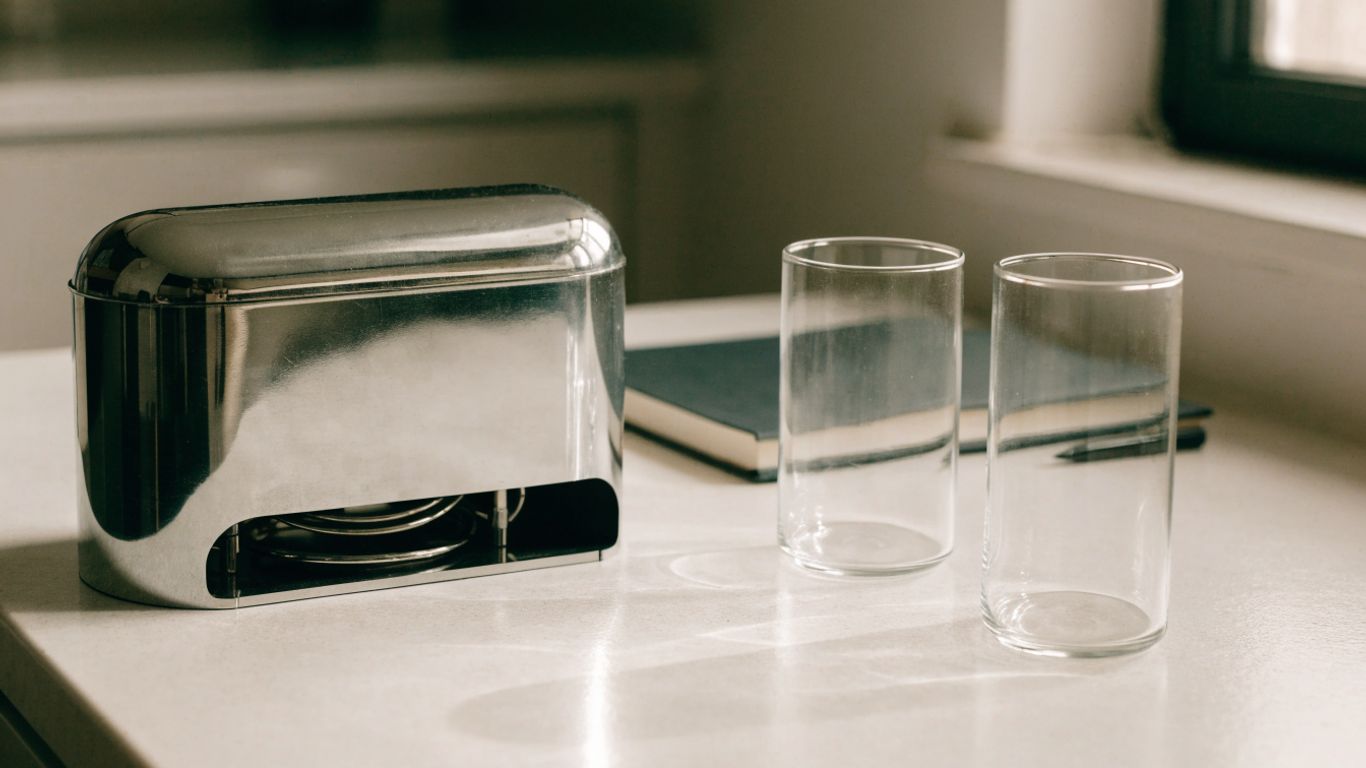
Review materials, build quality, and warranty terms
Look for a clear description of the electrodes, housing, included parts, and any materials that contact water. Product photos can show finish and layout, but they cannot confirm the composition or quality of those materials. The seller should also state what is included and what, if anything, needs to be purchased separately.
Warranty language deserves a close read. Check its length, what it covers, how to request service, and whether shipping or exclusions affect the practical value. These details help you estimate ownership costs, but a warranty is not an independent test of performance.
Understand what the manufacturer means by particle size and concentration
Particle size and concentration are not interchangeable measures, and neither one alone establishes effectiveness or safety. Ask how the values were measured, whether the seller distinguishes particles from dissolved silver, and whether results are tied to a specific device or batch. If the answer is unclear, treat the number as a marketing claim rather than a verified result.
A comparison table can make gaps in the documentation easier to spot. Record what the seller actually says, rather than filling in missing details based on assumptions.
| Detail | What to look for | Why it matters |
|---|---|---|
| Particle size | A stated measurement and named test method | A number without a method is difficult to assess |
| Concentration | Units, measurement approach, and sample details | A concentration figure does not establish safety or benefit |
| Silver form | An explanation of particles versus dissolved silver | Labels and terms may describe different compositions |
| Test report | Laboratory, date, sample, and measured properties | A report is useful only if it relates to the claim being made |
Use the table as a prompt for questions, not as a scoring system. If a seller provides a test report, confirm that it identifies what was tested and how; a single figure without that context may not tell you much. A guide to generator selection criteria can offer further context for comparing claims without treating a technical-sounding label as proof.
Check whether performance claims are independently tested
A manufacturer’s description is not the same as independent verification. Look for a report from a laboratory that identifies the sample and test methods, and check whether it supports the specific claim being made. A test of one property cannot automatically confirm a different property or establish that a product is medically effective.
It helps to assess claims by asking whether the evidence is repeatable, relevant, and described clearly. The same general discipline applies in other areas: AI outcome evaluation describes comparing results with meaningful baselines rather than relying on broad assurances. For a generator, the key is to see what was measured and whether the results apply to the device under consideration.
How to assess safety claims
Safety language can blur the line between a device’s operation and a health benefit. A generator may be described in terms of controls or ease of use, while a separate claim may suggest that the resulting silver product prevents or treats illness. Those are different kinds of statements and need different evidence. Be especially wary when a seller moves from describing equipment to promising a health outcome.
Distinguish product features from health claims
A feature describes something observable about the device, such as its components, controls, or stated operating process. A health claim says or implies that using the device or its output can change a medical condition. Do not assume a feature proves a health claim, and do not assume technical language itself is evidence of clinical benefit.
Be cautious of claims to prevent or treat disease
Claims that a product prevents, diagnoses, or treats disease deserve careful scrutiny. Customer testimonials and personal stories cannot establish that a product caused a recovery, and they should not guide someone away from appropriate care. Look for reliable evidence rather than relying on dramatic anecdotes or claims of broad medical usefulness.
A concise way to evaluate promotional wording is to pause when it makes a promise and ask what kind of support would be needed:
- Is the statement about how the device works, or about a health outcome?
- Does the seller point to independent evidence for that exact outcome?
- Is a personal story being presented as if it proves a general effect?
- Could the claim encourage someone to delay professional care?
If the claim is medical, a product listing or enthusiastic review is not enough to establish it. Focus on what can be verified, and do not use a generator as a substitute for diagnosis or treatment.
Consider risks from ingesting or otherwise using colloidal silver
Colloidal silver products can carry health risks, especially when ingested. Public health sources warn that silver can build up in the body and cause lasting skin discoloration; possible interactions with medicines are another reason to seek professional advice. “Natural” or home-produced does not mean risk-free, and a generator does not make a product medically appropriate.
Do not infer that a particular route or amount is safe from anecdotes or online dosage suggestions. If you have used a silver product and have a concern, discuss the product and your situation with a healthcare professional. Seek urgent medical help for a serious or rapidly worsening reaction.
What regulations and evidence say
Rules and evidence depend partly on what a product is intended to do and how it is marketed. A device being available for sale does not establish that its output is safe or effective for treating a health condition. Before placing weight on regulatory wording, read the actual label and distinguish a description of equipment from a medical promise.

Check the product’s intended use and labeling
Read the label, instructions, and seller’s description together. Note whether the product is presented as a device, a consumer item, or something intended for a medical purpose, and look for warnings and directions. If wording is vague or the stated purpose changes across the page, ask the seller for clarification rather than guessing.
Regulatory status can be complex, so avoid treating a listing, registration, or availability as an endorsement. What matters to your decision is whether the seller’s claims are clear, appropriately supported, and consistent with the product’s stated intended use.
Look for credible, independent sources on health risks
Use sources that explain their evidence and identify the risks they discuss, rather than relying only on product pages or testimonials. Public health agencies and established medical information services are better places to check questions about exposure, possible interactions, and known harms. Where sources differ, note what they are actually addressing instead of choosing the most reassuring statement.
Understand that device availability does not establish medical effectiveness
A product can be sold without proving that it treats a disease. Likewise, engineering specifications and laboratory measurements are not the same as clinical evidence. This distinction matters because a precise-sounding concentration or particle-size claim may describe a sample without demonstrating any medical outcome.
Keep the questions separate: what the device is said to do, what its output measures, and whether there is good evidence for a health use. Evidence for one does not automatically answer the others. Avoid making a treatment decision based on the existence of a product or the confidence of its marketing.
How to evaluate a seller and its support
A clear product page is only part of a sound purchase. You should be able to identify who is selling the device, how to reach them, what happens if it fails, and where technical statements come from. Straightforward answers do not prove quality, but missing or evasive information can make a purchase harder to evaluate.
Verify contact details and return policies
Look for a working contact method and a clearly stated return policy before paying. Check the return window, any conditions on opening or using the device, and who pays for return shipping. Save a copy of the listing and policy so you can refer to the terms that applied when you ordered.
Review warranty coverage and replacement-part availability
Confirm what the warranty covers and excludes, how long coverage lasts, and how service requests are handled. If the device depends on parts that may wear out or need replacement, ask whether those parts are available and what they cost. These practical details can matter more over time than a small difference in the initial price.
Check whether technical claims link to test methods or reports
A responsible seller should make it possible to understand the basis for technical claims. Look for a named method, the identity of the testing party, the sample tested, and the date of the report. A document that does not correspond to the product or claim at issue offers limited reassurance.
Do not confuse polished presentation with independent verification. When a claim cannot be traced to a method or report, record it as unverified and decide whether that uncertainty is acceptable to you. For event planning, team-building events are tailored to goals and group needs; a generator purchase is a different decision, but the same basic habit applies: ask what a claim is based on before relying on it.
What to consider before making a purchase
Before comparing prices, decide why you are considering the device and what information would make you comfortable with the purchase. A defined nonmedical purpose keeps the decision grounded in what you can assess, rather than in an implied promise of better health. If your reason for buying is a medical concern, pause and seek qualified advice first.
Decide whether the device has a clearly defined nonmedical purpose
Ask yourself what you intend to do with the device, and whether that use is clearly described without relying on disease-prevention or treatment claims. If the main reason to buy is a promise to improve a health condition, the product’s rating and technical features do not resolve the medical question. Keep health decisions separate from equipment-shopping decisions.
Compare the total cost, including supplies and maintenance
The purchase price may not include everything required to operate or maintain the device. Consider any supplies, replacement parts, cleaning needs, shipping charges, and possible return costs. A lower upfront price may not be the lower-cost option over the period you expect to own it.
Ask a healthcare professional about health concerns before using silver products
Tell a healthcare professional what product you are considering, how you might use it, and what other products or medicines you take. This is especially important if you have a health condition, are pregnant, or are considering giving a silver product to a child. A professional can help you consider personal risks and appropriate care; a product seller cannot replace that advice.
Conclusion
A highly rated colloidal silver generator may deserve a closer look, but the score should be only one small part of your decision. Compare the device’s documentation, seller support, and total cost, and treat health claims with particular caution. If a health concern is behind the purchase, speak with a healthcare professional before using silver products.
Frequently Asked Questions
Does a high rating mean a colloidal silver generator is safe?
No. Ratings reflect user opinions and do not establish safety. Check the labeling, evidence, and known risks, and speak with a healthcare professional about personal concerns.
What should I look for in generator reviews?
Look for recent, detailed accounts of setup, instructions, and customer support. Treat testimonials about health outcomes cautiously, since personal experiences cannot establish that a product caused a result.
Does a higher concentration mean a product works better?
A concentration figure describes a measurement, not medical effectiveness or safety. Its meaning depends on how it was measured and what is in the sample.
Why does particle size matter when comparing products?
Particle size is a technical description that should be supported by a stated measurement method. A number alone does not prove a health benefit or establish that a product is safe.
Can colloidal silver treat an infection?
Do not rely on colloidal silver to treat an infection or delay appropriate medical care. Ask a healthcare professional about symptoms and suitable treatment.
What risks are associated with colloidal silver?
Silver can accumulate in the body and cause lasting skin discoloration, and it may interact with some medicines. Ask a healthcare professional about potential risks before using silver products.
What should I check before buying a generator?
Review its intended use, materials, technical documentation, warranty, return terms, and total cost. Be cautious of medical promises that are not supported by credible evidence.
Related Posts
Colloidal silver benefits: What the evidence says about claims and risks
How to evaluate colloidal silver brands: a buyer’s guide to labels, testing, and safety
Silver hydrosol vs colloidal silver: Key differences, claims, and safety
Silver Wings Colloidal Silver: Uses, Safety, and What to Know
Colloidal silver liquid 250 ppm: Uses, safety, quality, and what to know before buying
Silver nitrate molar mass: How to calculate it, use it, and avoid common mistakes
A complete guide to 950 silver: what it is and how it compares to sterling
The best voltage for making colloidal silver: A guide to particle size and production safety
