
- You are here:
- Home »
- All Articles »
- A comprehensive guide to using mineral powder for water
A comprehensive guide to using mineral powder for water
Key Takeaways
Understanding the importance of hydration is the first step toward a healthier lifestyle, and supplements can play a pivotal role.
- Mineral powders help bridge the gap in nutrient intake caused by modern soil depletion.
- Proper hydration relies on more than just water; it requires electrolyte balance.
- Quality supplements often provide trace elements like magnesium, calcium, and potassium.
- Always check ingredient labels for purity to avoid unnecessary artificial additives.
- Integrating minerals into your daily routine supports energy production and post-workout recovery.
What is mineral powder for water?
Composition and common trace elements
Mineral powder for water typically consists of essential electrolytes and trace minerals that are often stripped away during intensive filtration processes. These formulations often include magnesium, calcium, potassium, and sodium, which serve as the building blocks for proper nerve function and bodily fluid regulation. By reintroducing these elements, you transform plain water into a more nutrient-dense base.
Comparing powders to liquid mineral drops
While liquids are often preferred for their ease of use, powders offer a more concentrated dose for those with higher activity levels. Some users find liquid mineral drops convenient for subtle adjustments, whereas Trace Minerals Power Pak provides a more robust serving of nutrients along with vitamins. Choosing between the two often comes down to personal taste and how much you prefer to alter the texture of your water.
The biological role of electrolytes in hydration
Electrolytes are electrically charged minerals that ensure water enters your cells efficiently rather than passing right through your body. Without them, even if you drink gallons of water, you might still feel parched or fatigued. Maintaining this balance is essential for sustained energy, which is why utilizing a quality mineral powder for water acts as a catalyst for overall wellness.
Benefits of adding mineral powder to your water
Enhancing taste and balancing pH levels
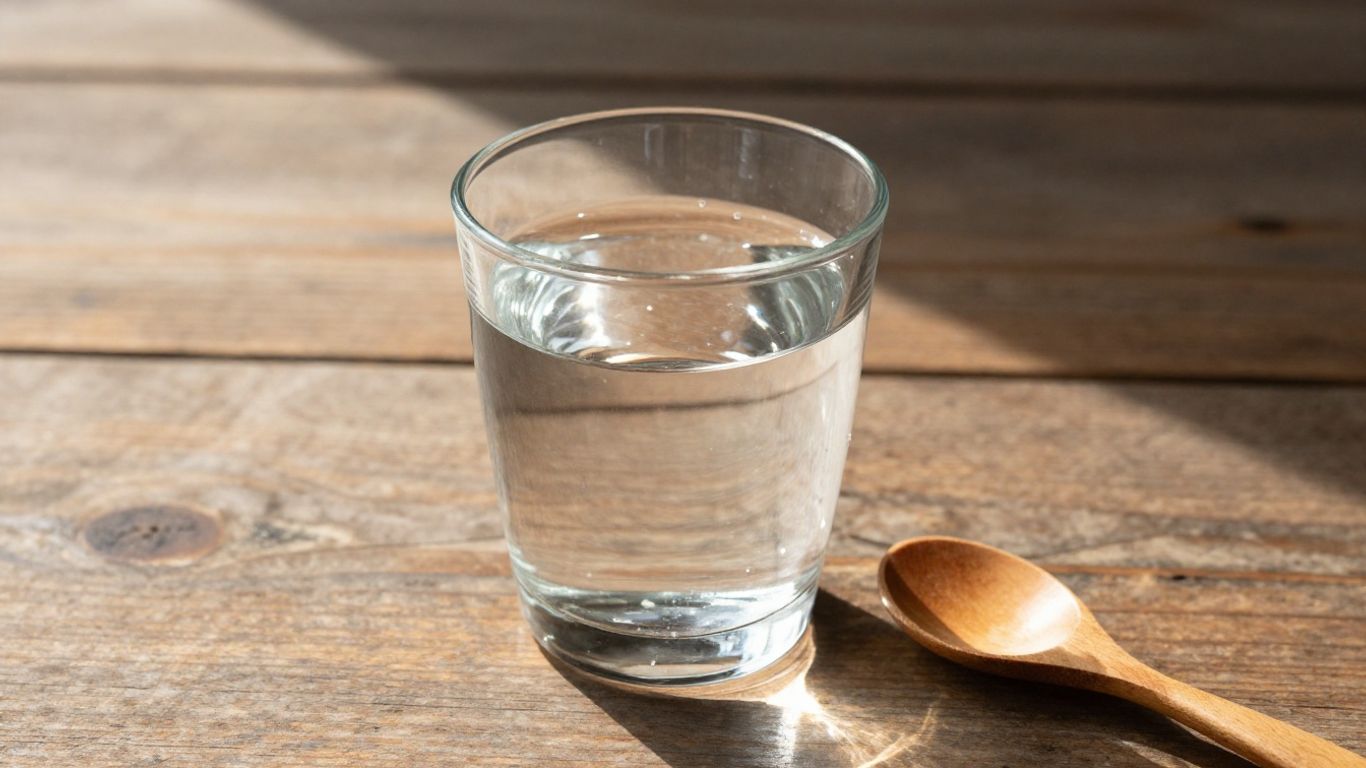
Many natural sources of water are filtered so thoroughly that they lose their flavor profiles; adding minerals can restore a crisp, clean taste. Furthermore, many people use these powders to raise the pH of their water, contributing to a more alkaline environment. As noted in customer feedback for MAYU Premium Trace Mineral Drops, users often find their water tastes significantly better after simple remineralization.
Improving cellular nutrient absorption
Beyond simple hydration, minerals act as essential co-factors for the vitamins you consume through your food. When your electrolytes are balanced, your body becomes an efficient vessel for nutrient uptake. The following list highlights typical mineral sources often found in quality supplements:
- Ionic sea minerals harvested from concentrated sources
- Plant-derived trace elements for better bioavailability
- Electrolyte salts like natural sodium and potassium
- Chelated magnesium for relaxed muscle function
Supporting post-workout recovery and performance
Physical exertion naturally depletes your body’s mineral reserves, leading to soreness and fatigue. Incorporating targeted supplementation helps replenish these losses effectively. To understand how various minerals impact your recovery, consider the typical functions of common elements:
| Mineral | Primary Role | Benefit |
|---|---|---|
| Magnesium | Muscle relaxation | Reduces cramping |
| Potassium | Fluid regulation | Prevents fatigue |
| Calcium | Bone support | Structural strength |
By ensuring these levels remain steady, you avoid the common burnout associated with intense physical activity.
How to choose the right mineral powder
Reading supplement labels for ingredient purity
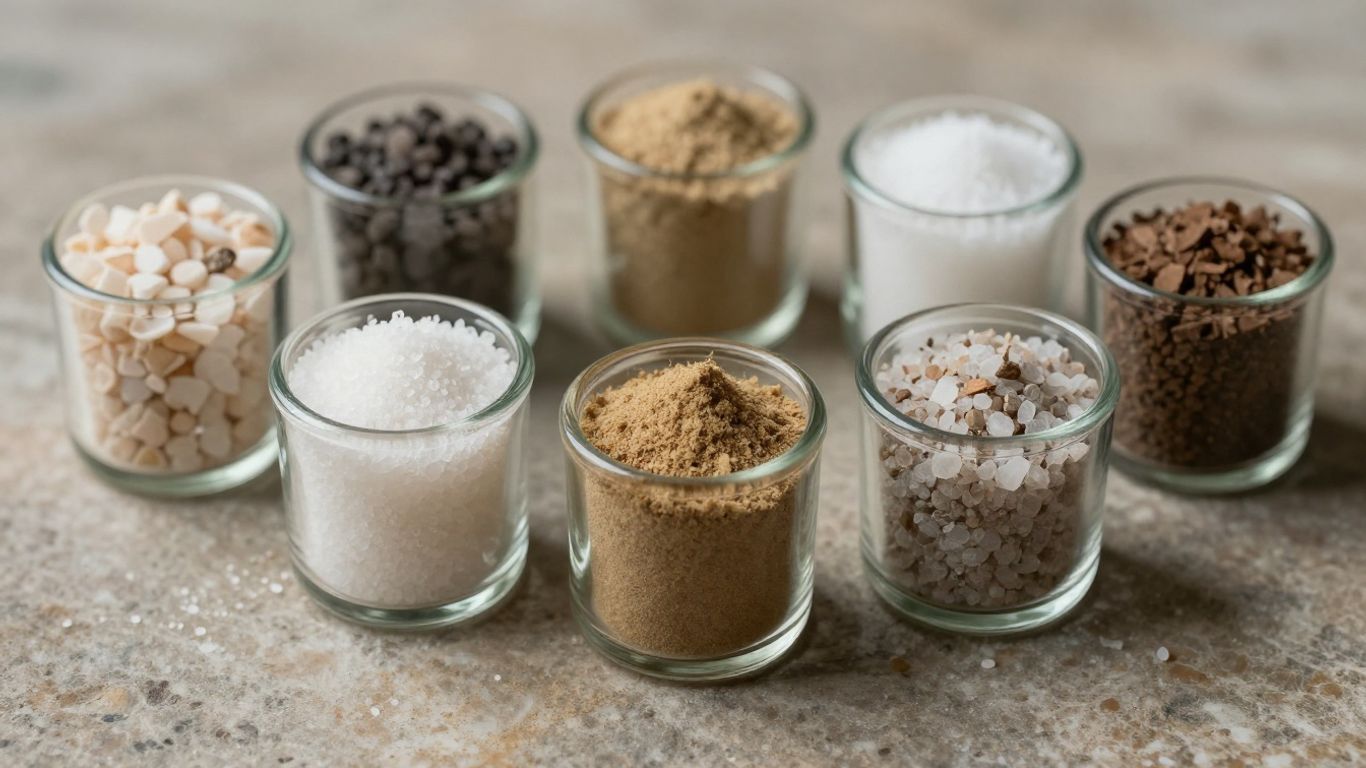
When you select a product, you must be diligent about identifying additives that do not belong in a health-focused routine. Products should ideally be free of artificial colors, unnecessary sugars, and synthetic fillers that can overshadow the benefits of the minerals themselves. Like navigating the complexities found in the db27 or managing 3a0a business strategies, choosing the right supplement requires a focus on quality components.
Evaluating sourcing and extraction methods
Where your minerals originate matters as much as the ingredients themselves. Seek out manufacturers that utilize ethical, non-destructive extraction methods to ensure the final product is free from heavy metals and impurities. Much like the process of identifying reliable ca51 sourcing partners, you should prioritize companies that offer full transparency regarding their supply chain.
Selecting between flavored and unflavored varieties
Flavor preferences are deeply personal, and while some enjoy the convenience of pre-flavored mixes, others prefer the versatility of unflavored options. Selecting an unflavored powder ensures you can add minerals to smoothies, soups, or simple filtered water without clashing with other flavors. This flexibility allows for a more consistent habit, as you are not tied to a single taste profile throughout the day.
Integrating mineral powder into your daily routine
Determining the appropriate dosage for your needs
Your individual requirement for minerals changes based on your activity level, diet, and even the climate you live in. Start with a conservative dose to monitor how your body responds before gradually increasing to a level that feels effective. It is often wise to track your energy levels and physical output, ensuring you reach an optimum mineral intake without exceeding recommended serving sizes.
Best practices for proper mixing and dissolution
Properly mixing your powder is key to ensuring you get an even distribution of nutrients in every glass. Use a shaker bottle or a glass carafe to prevent the powder from clumping at the bottom, which is a common issue with coarser mineral blends. Take your time during the mixing phase, as proper dissolution ensures that every sip provides consistent value.
Optimal timing for consistent mineral supplementation
Consistency is the hallmark of any successful health routine, and minerals are no exception. Whether you add them to your morning glass of water or consume them during your mid-day movement, the goal is to make it a seamless part of your environment. For those interested in expanding their professional health career, understanding these habits is part of becoming a skilled f705.
Safety and potential precautions
Understanding risks of over-mineralization
Everything in nature must be balanced, and minerals are no exception to this rule. Consuming far more of a specific mineral than your body requires can potentially cause digestive discomfort or other imbalances. It is far better to stay within recommended ranges than to attempt to boost results through excessive reliance on concentrated supplements.
Interactions with existing health conditions or medications
If you have specific health concerns or are following a regimen, it is vital to be aware of how mineral intake might affect your goals. Never assume that a natural product is safe for you without first evaluating your specific situation. Ensuring clarity on this front is as important as completing your 5f4f documentation process when entering a new environment.
Consulting with a healthcare professional before starting
Always seek the guidance of a qualified person to determine if mineral supplementation matches your internal chemistry.
This proactive step helps ensure that you are making decisions that support long-term vitality rather than creating short-term imbalances. A professional can help you decipher your personal needs and verify that your choice of supplement complements your existing lifestyle.
Conclusion
Embracing the use of mineral powders is a simple, effective way to personalize your hydration and bridge the nutritional gaps that often appear in our daily habits. By choosing high-quality sources, paying attention to your body’s signals, and keeping a consistent approach, you can enhance your energy and support your overall well-being. Wellness is a long-term journey, and small, intentional choices like these help you feel your best every single day.
Frequently Asked Questions
Can I add mineral powder to filtered or distilled water?
Yes, adding minerals to filtered or distilled water is highly recommended as these processes often strip the water of its natural trace elements, leaving it less hydrating.
How often should I consume mineralized water?
Most people can safely incorporate mineralized water into their routine daily, provided they stay within the recommended dosage labels provided by the manufacturer.
Are there any specific minerals I should look for?
Look for a broad-spectrum blend that includes magnesium, potassium, calcium, and sodium to ensure you are covering a variety of bodily needs.
Does mineral powder alter the pH of water?
Many mineral powders are formulated to create a slightly more alkaline pH, which many individuals prefer for their daily drinking water.
Can children consume water with added mineral powder?
Always consult with a pediatrician before introducing supplements to a child’s diet, as their nutritional requirements differ significantly from those of adults.
What happens if I use too much mineral powder?
Using too much can lead to an unpleasant taste or, in some cases, digestive upset; always follow the recommended serving size to avoid these issues.
Is mineral powder the same as an electrolyte sports drink?
While they both contain minerals, many commercial sports drinks contain unnecessary sugars and artificial dyes that mineral powders are designed to avoid.
Related Posts
Magnesium glycinate trace minerals: benefits, dosage, ingredients, and how to choose it
ConcenTrace trace mineral drops reviews: Benefits, ingredients, safety, and whether they’re worth it
Mineral vitamins explained: Benefits, types, food sources, and how to choose a supplement
How to add minerals to water safely: Methods, benefits, and practical tips
A complete guide to trace minerals for optimal health
A guide to International Silver Company: history, identification, and value
A complete guide to 950 silver: what it is and how it compares to sterling
The essential guide to silver oxide: properties, applications, and safety
